UPDATE: The opening-night demographics now back it up: 68% of the audience was male, while kids under 12 made up just 4%. Amazon MGM and Mattel needed more than the core He-Man base, and they didn’t get it.
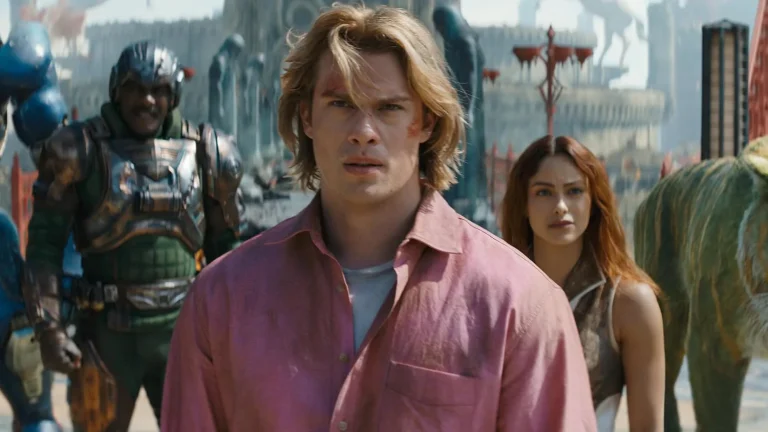
The numbers are in, and they are bad. Masters of the Universe opened to just $29.3 million against a reported $170 million-plus budget, a result that all but kills any hope of a He-Man franchise.
So what went wrong?
This was a recognizable global brand with a stacked cast, a Certified Fresh score, and Travis Knight directing after acclaimed work on Bumblebee and Kubo and the Two Strings. On paper, the pieces were there.
In practice, the movie failed for reasons that were visible long before opening weekend. The marketing missed the young audience, the studio buried its biggest star, the early press sent red flags to fans, and the whole thing seemed built around chasing another Barbie instead of selling He-Man as He-Man.
Here is why Masters of the Universe flopped.
The Marketing Missed The Audience
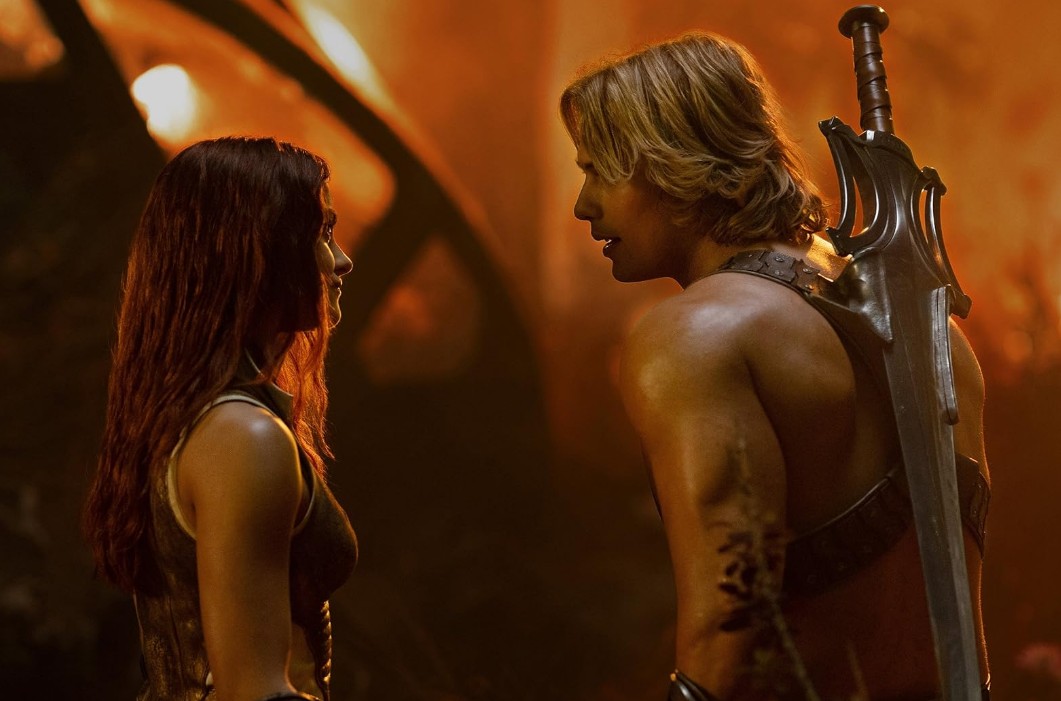
The most basic problem is that a lot of moviegoers had no idea the film existed.
I can speak to this directly. My own 18-year-old would not go see Masters of the Universe with me. His reason was simple: he knew nothing about it and had never seen a single promo.
He lives on YouTube, and when he watches the NBA, he is scrolling his phone through every commercial break. The ad money never landed on him.
The young audience matters because they did turn out this year for Minecraft, Obsession, and Backrooms. Those movies met Gen Z where they actually are: YouTube, gaming culture, TikTok, memes, online conversation, and social platforms.
Masters of the Universe felt like it was sold through the old playbook. For a brand that has been out of theaters for decades, nostalgia was never going to be enough. Parents who grew up with He-Man might be curious, but a $170 million franchise play needs younger moviegoers to think the movie is an event.
They did not.
Jared Leto Was Nowhere To Be Found
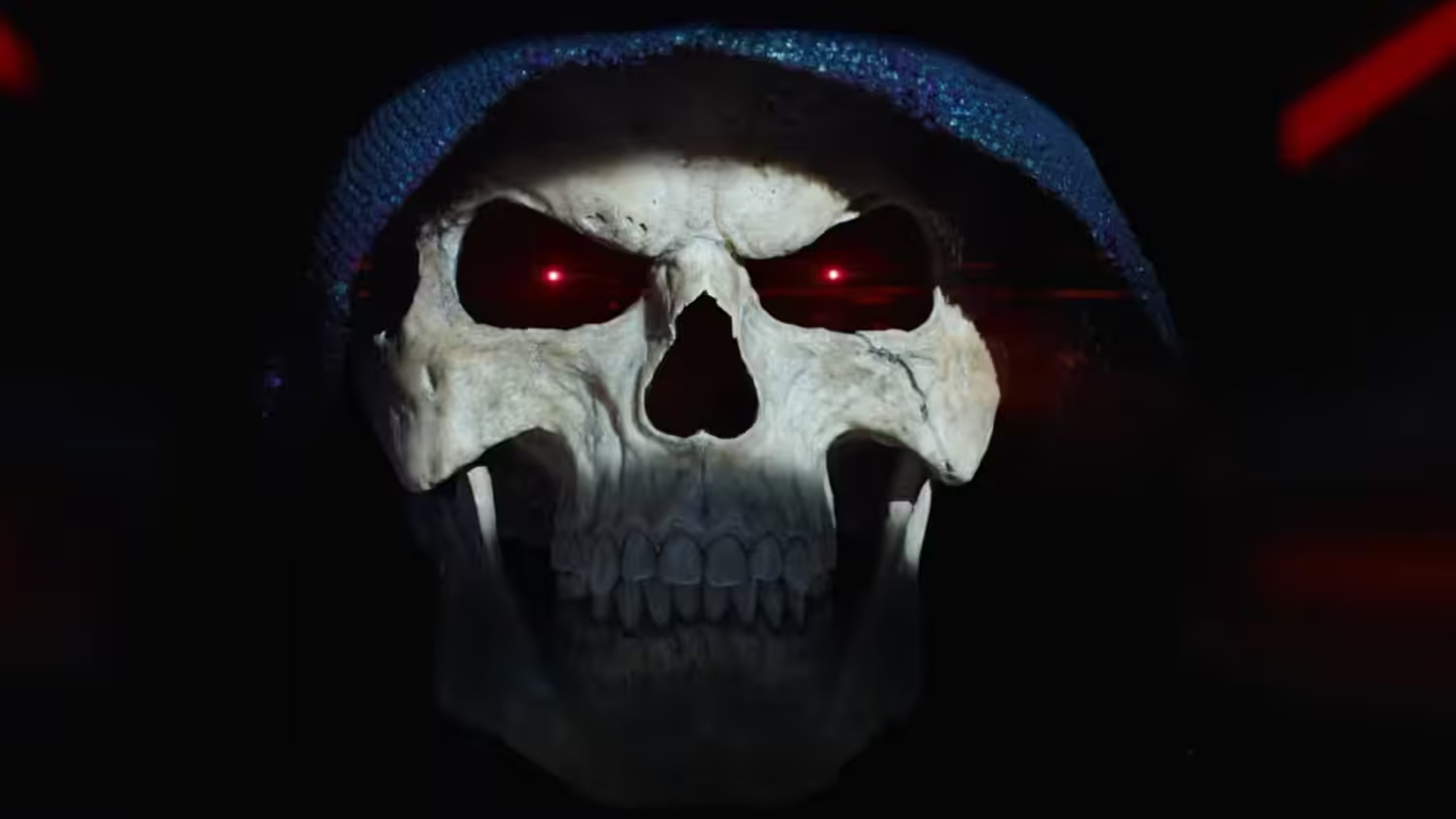
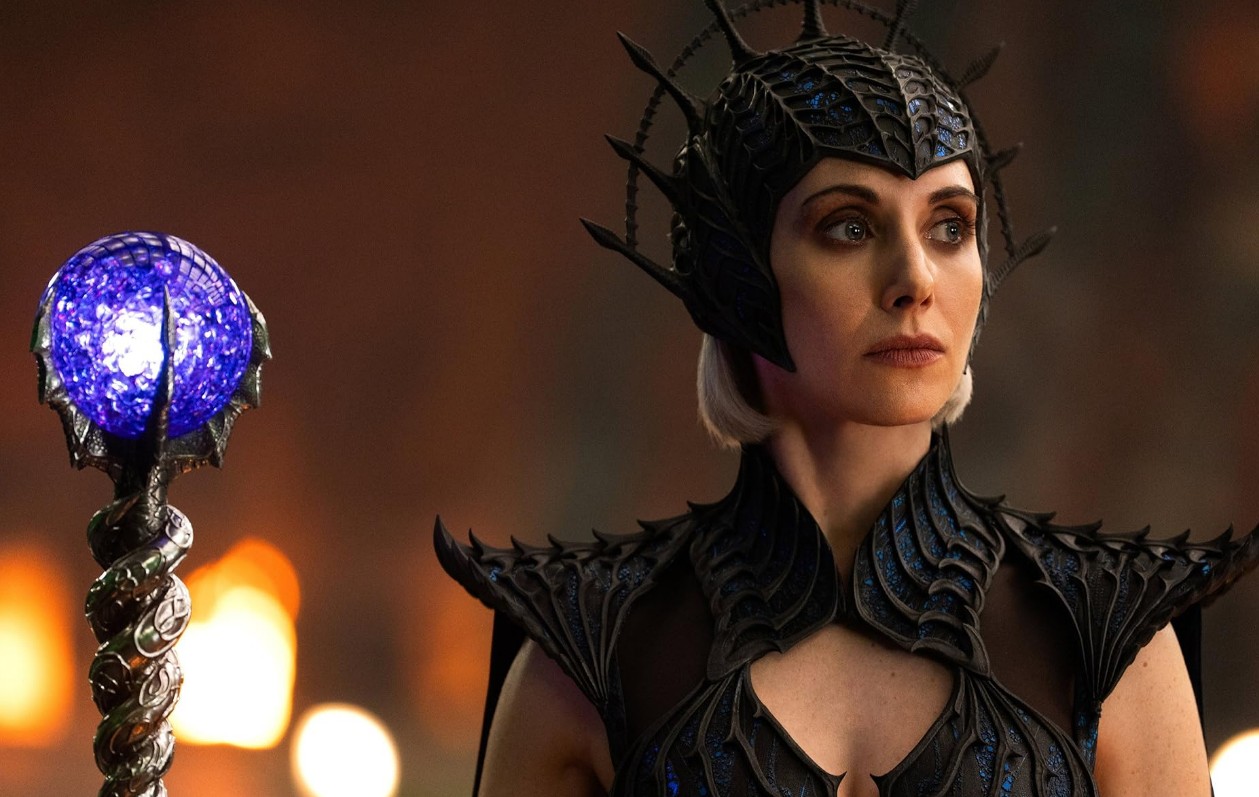
The film’s biggest name is Jared Leto, an Oscar winner with a following of 11.4 million on Instagram alone. He plays Skeletor, the movie’s main villain, and should have been one of the campaign’s biggest weapons.
Instead, the studio used him to promote the movie almost not at all. Not on socials. Not on the press tour. Nowhere meaningful.
The move is widely believed to be tied to Leto’s recent controversies, which we covered as the soft opening came into focus and again here.
Whatever the reasoning, the math is hard to ignore. When you sideline the one cast member with the largest built-in reach during the exact window you need awareness, you are throwing away free marketing a smaller film would kill for.
For a movie already struggling to break through, losing Skeletor as a promotional force was a major self-inflicted wound.
The EW Story Raised Red Flags
Before release, the big Entertainment Weekly cover story was supposed to build hype. Instead, as we flagged at the time, it raised red flags for longtime He-Man fans.
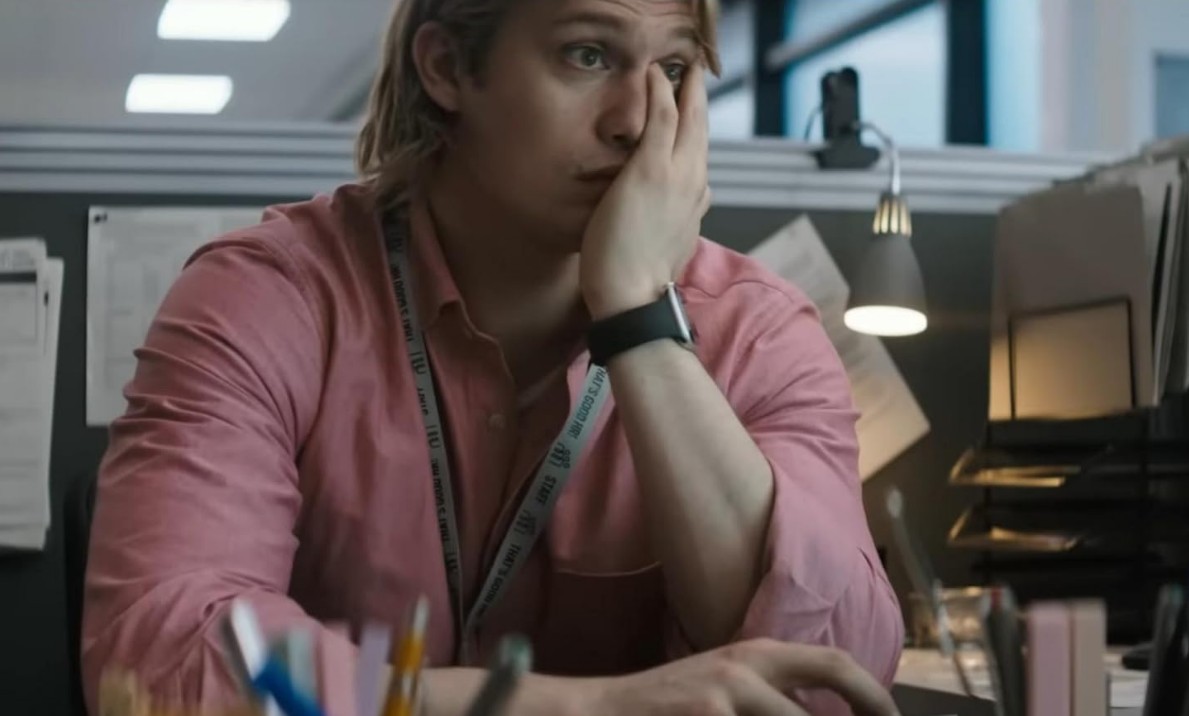
The piece leaned heavily into reframing He-Man as a story about toxic masculinity, vulnerability, and what it means to be a man in 2026. It also described Prince Adam as a depressed corporate HR worker who would rather dance than fight.
For a fanbase that grew up on a sword-and-sorcery action hero, the messaging made the movie sound more interested in deconstructing He-Man than delivering him. The core audience noticed, and a chunk of them checked out before opening day.
The issue was not that Masters of the Universe needed to be a carbon copy of the 1980s cartoon. The issue was that the pitch did not sound confident in He-Man being He-Man.
Fans wanted the most powerful man in the universe. The interviews made it sound like the movie was embarrassed by him.

The Movie Kept Making Fun Of He-Man
The tone problem extended right into the final promotional push.
Just before release, Nicholas Galitzine appeared on The Tonight Show Starring Jimmy Fallon in a bit that played the character for laughs and poked fun at He-Man, the hero he was supposed to be selling.
There is a place for jokes. He-Man has always had some camp baked into the brand. But when a studio is trying to convince audiences that this is a major theatrical franchise, the hero still has to look cool.
@fallontonight And @Nicholas Galitzine said, “HEYYEYAAEYAAAEYAEYAA” ✨ @mastersmovie #FallonTonight #TonightShow #NicholasGalitzine #HeMan #MastersOfTheUniverse ♬ sonido original – KDeKilo WTF
The same self-mocking instinct is all over the movie itself. In our review, I gave it a 5 out of 10: it has moments, but the jokes constantly undercut the epic scenes, and it never fully commits to what it wants to be.
When the marketing and the movie both seem embarrassed by the source material, you signal to longtime fans that this one is not really for them. Worse, you give everyone else no strong reason to care.
Amazon And Mattel Chased Barbie
All of it traces back to one strategic bet, and this is the real “why.”
Masters of the Universe spent 18 years in development hell, dying at both Sony and Netflix, before finally getting greenlit. What unlocked it, per the same EW cover story, was Barbie.
The key players were Mattel Studios president Robbie Brenner, a Barbie producer, and Courtenay Valenti, a Barbie executive producer who is now Amazon MGM’s head of film. Valenti reportedly read the script over a weekend and was sold by Sunday, telling producers she could make “lightning strike twice.”
There is the tell.
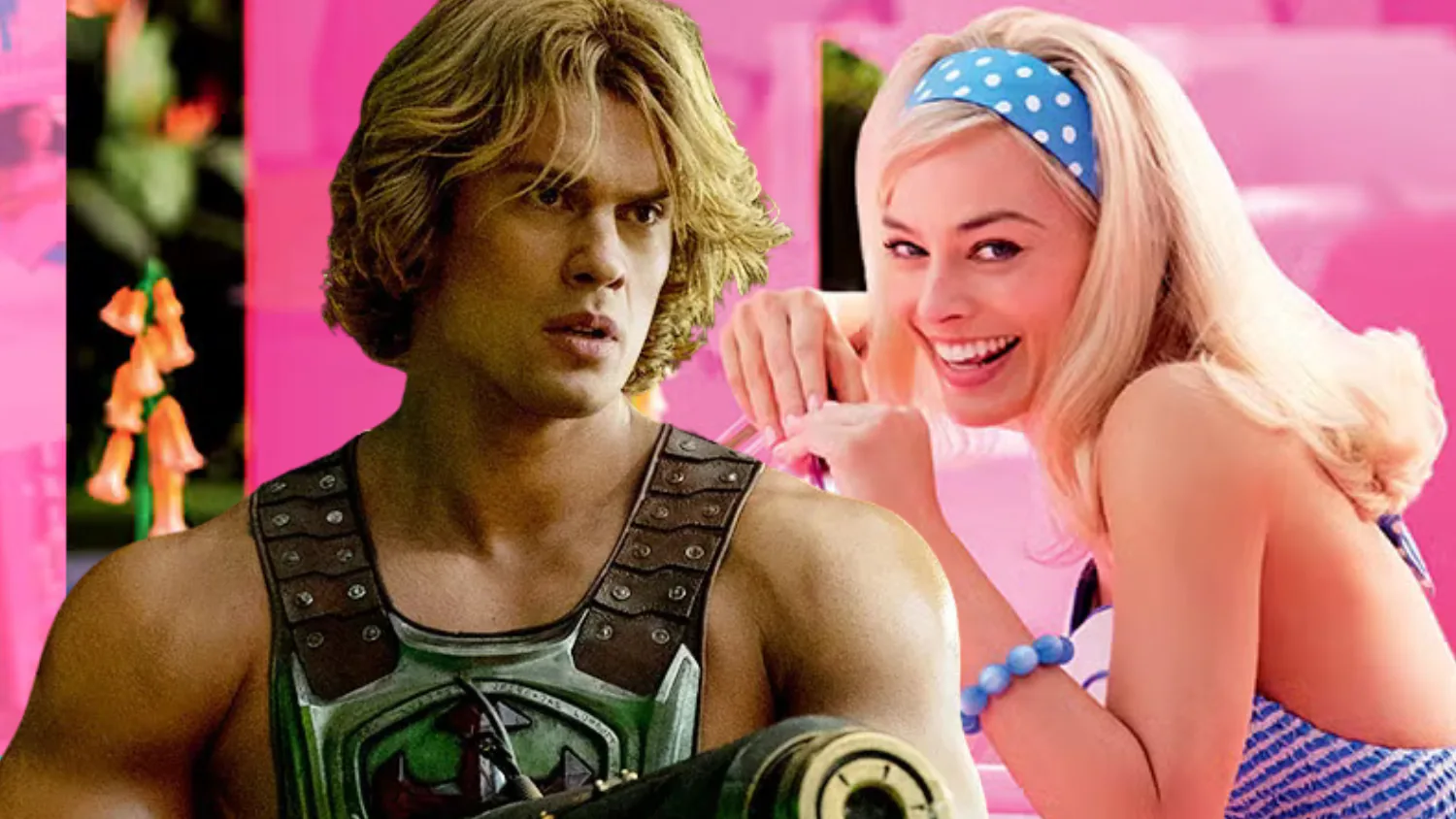
The plan was to run the Barbie playbook on He-Man: irreverent, self-aware, four-quadrant crossover appeal, and built to turn a toy brand into a cultural event.
But He-Man is not Barbie.
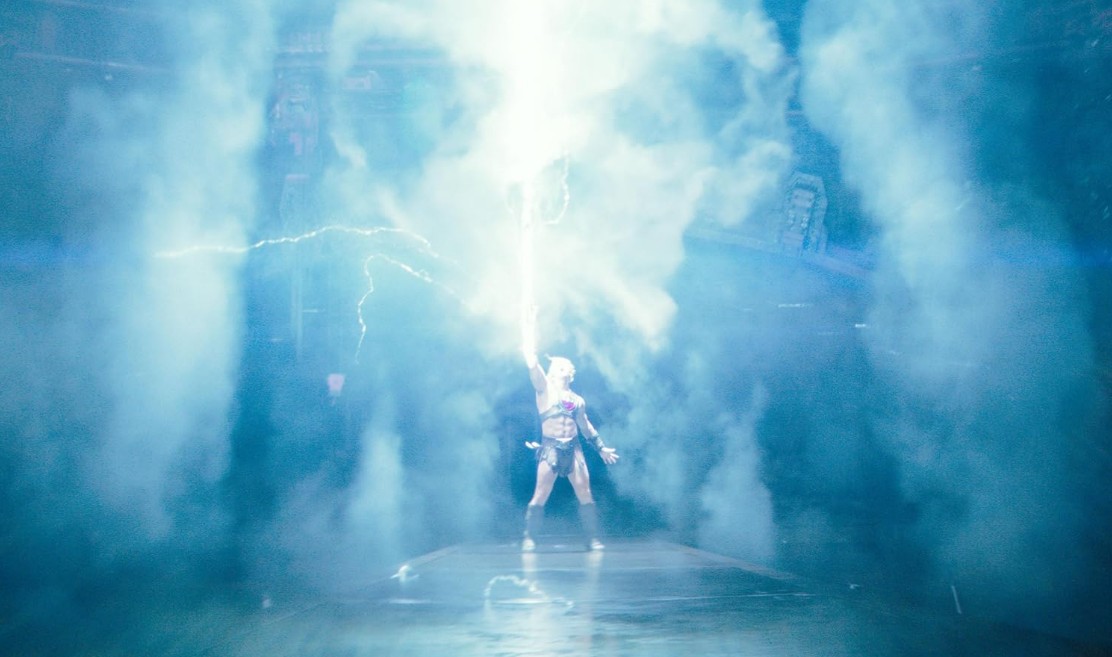
Masters of the Universe is a male-skewing sword-and-sorcery action property closer to Marvel, Star Wars, Conan, and fantasy adventure than a pastel pop comedy about dolls. The winking, self-deprecating tone that helped make Barbie a $1.4 billion phenomenon is a much stranger fit for a property built around muscles, monsters, swords, lightning, and mythic fantasy battles.
Trying to make He-Man work like Barbie was the core mistake.
We have seen similar miscalculations before. The Marvels and Madame Web were both four-quadrant swings that misjudged their own properties and bombed hard.
Masters of the Universe is the same lesson with a different brand: you cannot manufacture Barbie lightning by aiming the formula at a property whose fans want something else entirely.
He-Man Needed To Be Cool
Masters of the Universe sank under the weight of several problems at once: a campaign that missed younger audiences, a buried star, a cover story that spooked the base, a tone that mocked its own hero, and a top-line strategy built on copying a movie with which it had nothing in common.
The previews warned about it, the opening weekend confirmed it, and the autopsy is not complicated.
He-Man did not need to be reinvented into something embarrassed by its own muscles, sword, and mythology. He needed to be sold as something cool.
Amazon MGM and Mattel had the brand, the budget, the characters, and the chance to launch a major franchise.
They missed.
UPDATE: The worldwide debut confirmed it — $54.3 million globally, with no new generation in sight. Amazon, naturally, won’t call it a bomb as the studio is spinning the result as “truly special.”