Editor’s note: The following is editorial analysis.
Lucasfilm reportedly has a new fix for Star Wars, and somehow it sounds like more of the same problem.
Chase younger viewers. Aim for PG-13. Build everything inside a top-down creative framework. Use AI to help generate environments and visual effects.
Make Star Wars feel “special” again.
But before Lucasfilm chases a new audience, it might want to deal with the one it already lost.
Here’s the number that should keep someone at Lucasfilm up at night: 85 percent.
That’s roughly how much of its theatrical audience Star Wars has shed between its Disney-era box office peak and its newest big-screen entry.
You don’t need a galaxy-brain take to see it. You need a calculator.
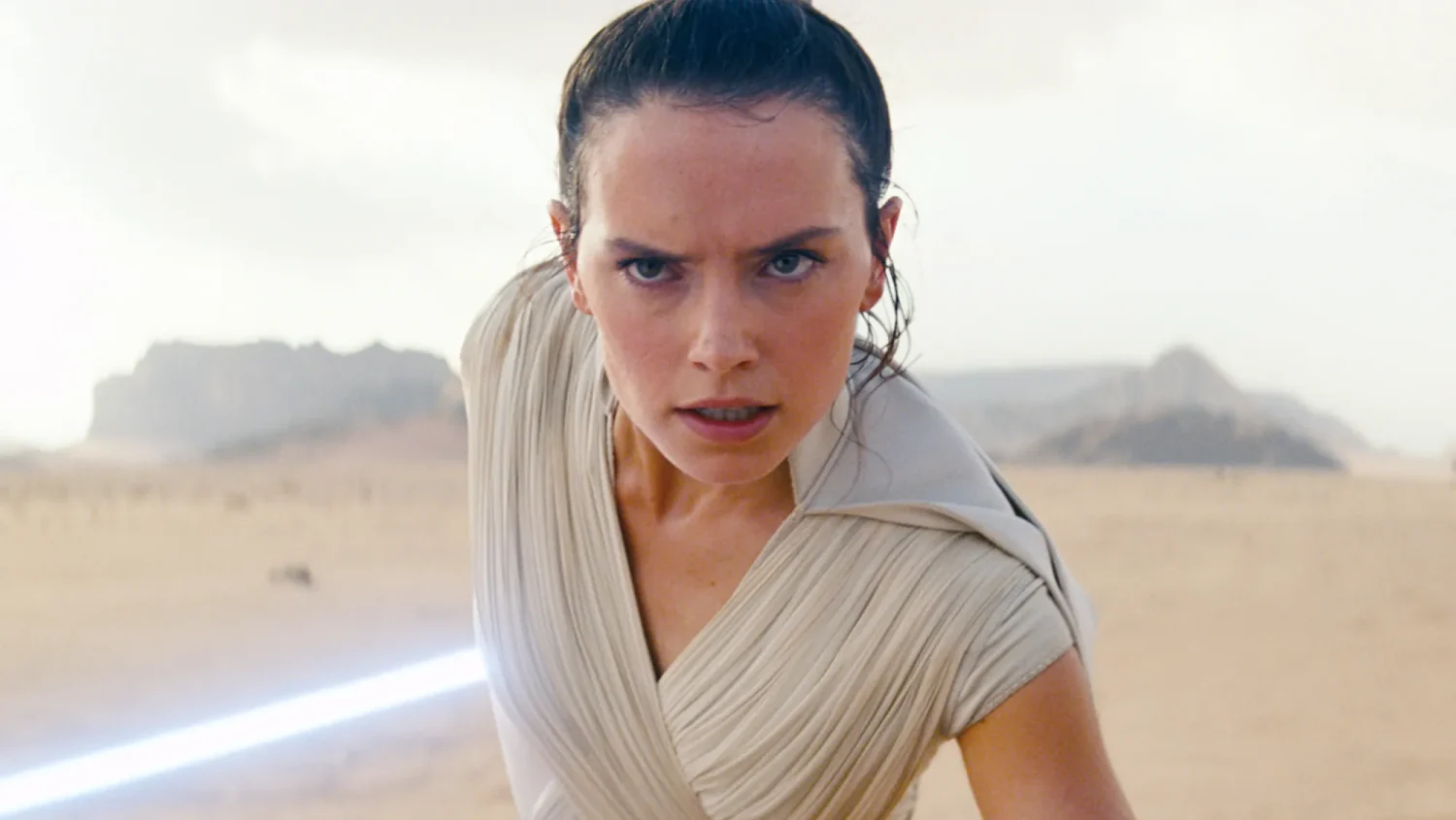
In December 2015, Star Wars: The Force Awakens detonated to the tune of $2,071,310,218 worldwide, per Box Office Mojo, the kind of cultural-event run that made Disney’s $4 billion Lucasfilm purchase look like a steal.
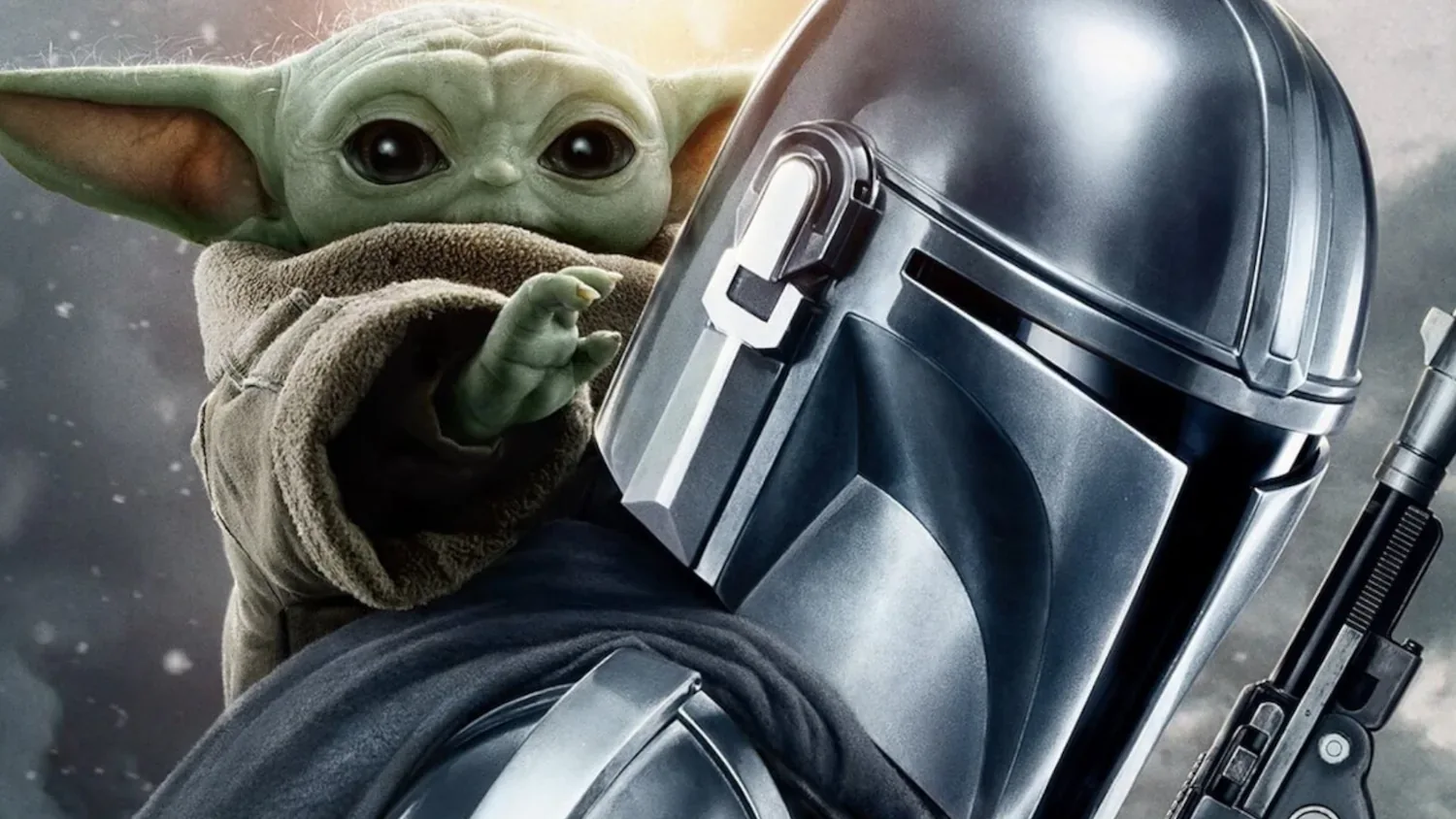
Ten-plus years later, The Mandalorian & Grogu is grinding toward roughly $316 million worldwide and counting.
Run the math. That’s about an 85 percent decline. Put bluntly, you can make the argument that Star Wars has lost 85 percent of its audience. Likewise, Nielsen data has also shown a drop of over 70% in viewership for the Star Wars shows on Disney+.
The Spinoff Excuse Falls Apart Fast
The first defense is obvious. Lucasfilm’s defenders will say the comparison isn’t fair. The Force Awakens was a saga film, the return after a decade, and the launch of a numbered trilogy built around Luke, Han, and Leia.
The Mandalorian & Grogu is a spinoff from a Disney+ show. Of course it made less.
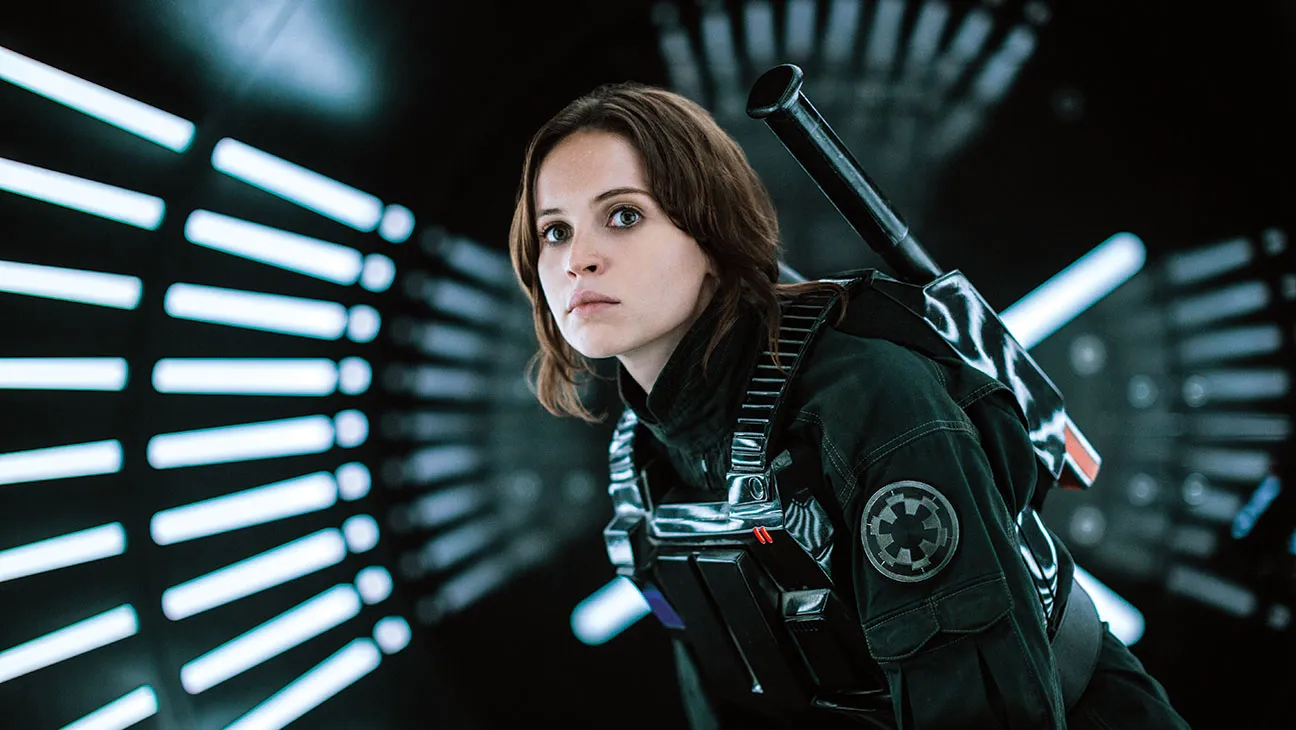
Except that excuse already has a name, and the name is Rogue One.
Rogue One was a spinoff too. No episode number. No Skywalkers headlining. A side story about stealing the Death Star plans, starring characters most general audiences had never heard of. It made over a billion dollars in 2016.
That’s the point. When Star Wars was healthy, a spinoff was still an event because the brand was the draw, not the number on the poster. People showed up because it said Star Wars. That’s what an event franchise looks like.
So no, The Mandalorian & Grogu didn’t underperform because it’s a spinoff. Rogue One proved a spinoff can clear a billion.
It underperformed because it’s Star Wars in 2026, and that means something very different than Star Wars in 2016.
And if the defense is Solo, that doesn’t get Lucasfilm off the hook either. Solo didn’t prove Star Wars spinoffs were doomed. It proved the fallout from The Last Jedi had already hit the brand.
Solo arrived just six months later and bombed. The audience that walked out on The Last Jedi didn’t come back for the next one.
The Mandalorian & Grogu is what that crack looks like eight years later, after the brand damage became impossible to hide.
The Box Office Has Already Delivered The Verdict
With the spinoff excuse gone, the trajectory speaks for itself.
At around $316 million worldwide and bleeding theaters, The Mandalorian & Grogu is tracking to finish as the lowest-grossing live-action Star Wars movie ever made, below even Solo, the 2018 bomb that became the franchise’s punchline.
That matters because Solo, coming right after the fanbase-splitting The Last Jedi, helped send Star Wars movies into a years-long theatrical exile.
The Mandalorian & Grogu is already the lowest-grossing live-action Star Wars film domestically, and it’s on pace to become the first to miss $200 million at home.
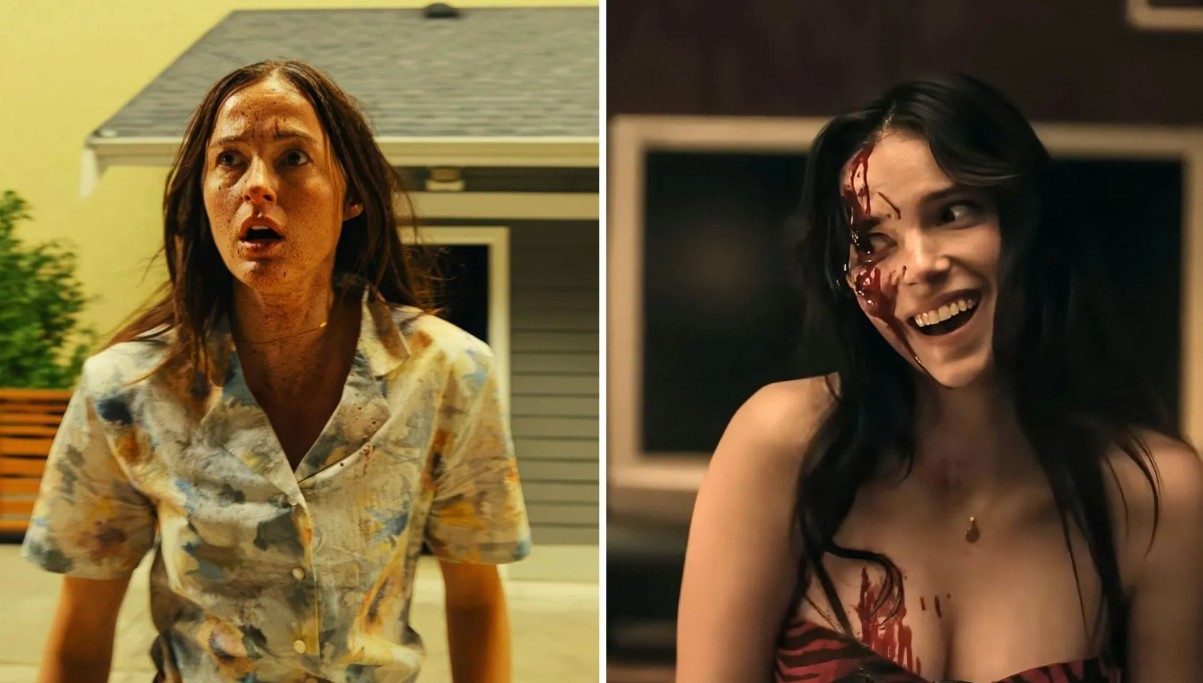
And the humiliation wasn’t just in the final total. It was visible by the second weekend, when Obsession, a $750,000 horror original with no IP, no franchise, and no stars, knocked Star Wars out of the No. 1 spot.
The brand’s return to the big screen got beaten on home turf by a movie made for less than a Star Wars catering bill.
Box office is this franchise’s most honest focus group, and the focus group is shrinking.
From a billion-dollar spinoff in 2016 to the lowest-grossing entry in the saga’s history in 2026, that’s not a fluke weekend or a soft calendar. That’s a verdict.
Lucasfilm’s Reported Answer: Chase Younger Viewers
So what’s the plan?
According to reporter Jeff Sneider, whose information has been circulating through the r/StarWarsLeaks community on Reddit, Disney has reportedly handed Lucasfilm a new set of marching orders under president and chief creative officer Dave Filoni, who took the top job after Kathleen Kennedy’s exit at the end of 2025.
With the older, core fanbase walking out, the reported strategy doesn’t sound like Lucasfilm asking why the audience left.
It sounds like Lucasfilm is trying to engineer a replacement audience, aimed at teens and young adults, through the vague corporate hope that Star Wars can be made to feel “special” again:
- Lucasfilm will reportedly target an audience aged 10 to 70 — a comically wide range — with a stated focus on teens and young adults, anchored by PG-13 ratings.
- AI will reportedly be used to generate environments and visual effects.
- Creatives will reportedly have to build stories that fit within Filoni’s overarching framework.
- The stated cadence is reportedly two shows and one movie per year.
- Standalone films will reportedly become rare, with the focus shifting toward “the next saga.”
- Films are reportedly expected to be epic and high-stakes, carry a clear vision, establish worlds, and tell interconnected stories.
- All shows will reportedly be set in the New Republic era, used as a sandbox to experiment with tone, genre, and structure.
- Both animation and live-action series will reportedly continue.
- “Star Wars has to remain special” is reportedly an explicit directive.
- Lucasfilm will reportedly court emerging and established talent, with particular emphasis on the 18-to-25 bracket.
The Plan Gets The Problem BACKWARDS
Here’s where the rumored strategy runs straight into the wall.
The problem isn’t chasing younger viewers. The problem is thinking that chase is a strategy. Teens and young adults already showed up in force in 2026, just not for Star Wars. They showed up for movies that actually gave them what they wanted.
Obsession, Backrooms, and last year’s A Minecraft Movie all played directly to that crowd and cleaned up. So the issue was never who Lucasfilm should be chasing. It’s what Lucasfilm plans to hand them once it gets there.
Because that audience wants the same thing every fan of every age wants: a good movie, first. Not a “demographic” it falls into. Not a quadrant on a marketing deck. A good movie.
This is the pattern we’ve been tracking all year: audiences aren’t tired of IP, they’re tired of slop, and they show up the moment a movie feels made for them instead of aimed at them.
And we know that’s what they want because they told us. As we covered when that Puck News teen report dropped, the kids surveyed still love theaters, but they’re tired of studio greed, franchise overload, lazy remakes, and algorithm-driven content built to check boxes.
Now read the rumored mandate against that: Pick a demographic. Assign a rating. Build inside a top-down creative framework. Render the worlds with AI.
That’s not a rescue plan. That’s a checklist for producing the exact assembled-by-committee product the target audience just said it’s done with.
It leads with who and treats what as an afterthought, which is the entire mistake.
The movies actually winning that audience did the reverse. Curry Barker made a $750,000 horror movie that’s heading toward $300 million because it felt made, not assembled.
Minecraft didn’t win by “targeting teens.” It won by turning its own community into the event. Even if the movie itself wasn’t great, the experience was loud, shared, meme-ready, and built around the world fans already cared about. It gave the audience the microphone, and the audience did the rest. They owned it.
Backrooms became A24’s biggest movie ever on the same instinct.
Some of those started as deliberate demographic plays and some didn’t. It didn’t matter, because the targeting was never the thing that worked. The movie being good was. They started from something worth watching, and the young audience found it.
The Backrooms Director Already Killed The AI Argument
And about that AI line. If Lucasfilm is reportedly betting that AI-generated environments are how it wins the Backrooms generation, it should listen to what the Backrooms director actually thinks of AI.
Kane Parsons, the 20-year-old who just set a box office record reaching exactly the audience Disney reportedly wants, told The Australian that generative AI is “genuinely harmful,” describing it as a symptom of broader cultural and economic rot. He said he gets no creative enjoyment from the tools, and that if he could make generative AI vanish for good, he probably would.
That’s not coming from a Lucasfilm critic or an old-school fan yelling about the past. That’s coming from the exact kind of young creator Disney should be listening to, and he’s saying the studio’s shortcut is the problem, not the solution.
In other words, Lucasfilm’s “fix” would be trying to win over his audience by embracing the thing he says they hate.
You Don’t Manufacture Special
The rumored list reportedly spells out the goal in plain language: that “Star Wars has to remain special.”
You only write that down once somebody in the building has noticed it stopped feeling that way.
$2.07 billion to $316 million isn’t a rounding error or a one-off. It’s a decade-long slide from a must-see event to disposable content, and from a fanbase that felt invested to an audience Lucasfilm is now trying to replace with demographics.
No PG-13 target, AI-rendered vista, or top-down framework conjures back what was lost.
Only a good movie does, the kind people actually want to see, made for the people who’d love it. That’s the whole formula, and it’s the one thing the rumored plan never quite gets to.
The next test is already on deck. Supergirl opens June 26, another Warner Bros. tentpole whose projections keep falling the closer it gets.
And while Lucasfilm reportedly talks strategy, The Mandalorian & Grogu is still crawling toward its final number, which will say more about the state of Star Wars than any internal memo ever could.