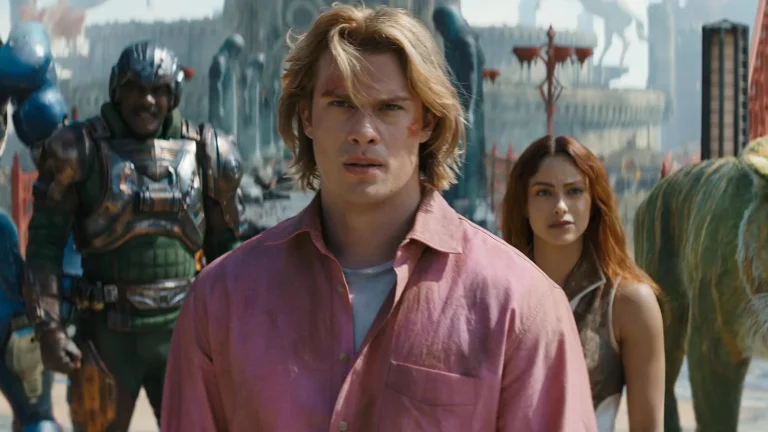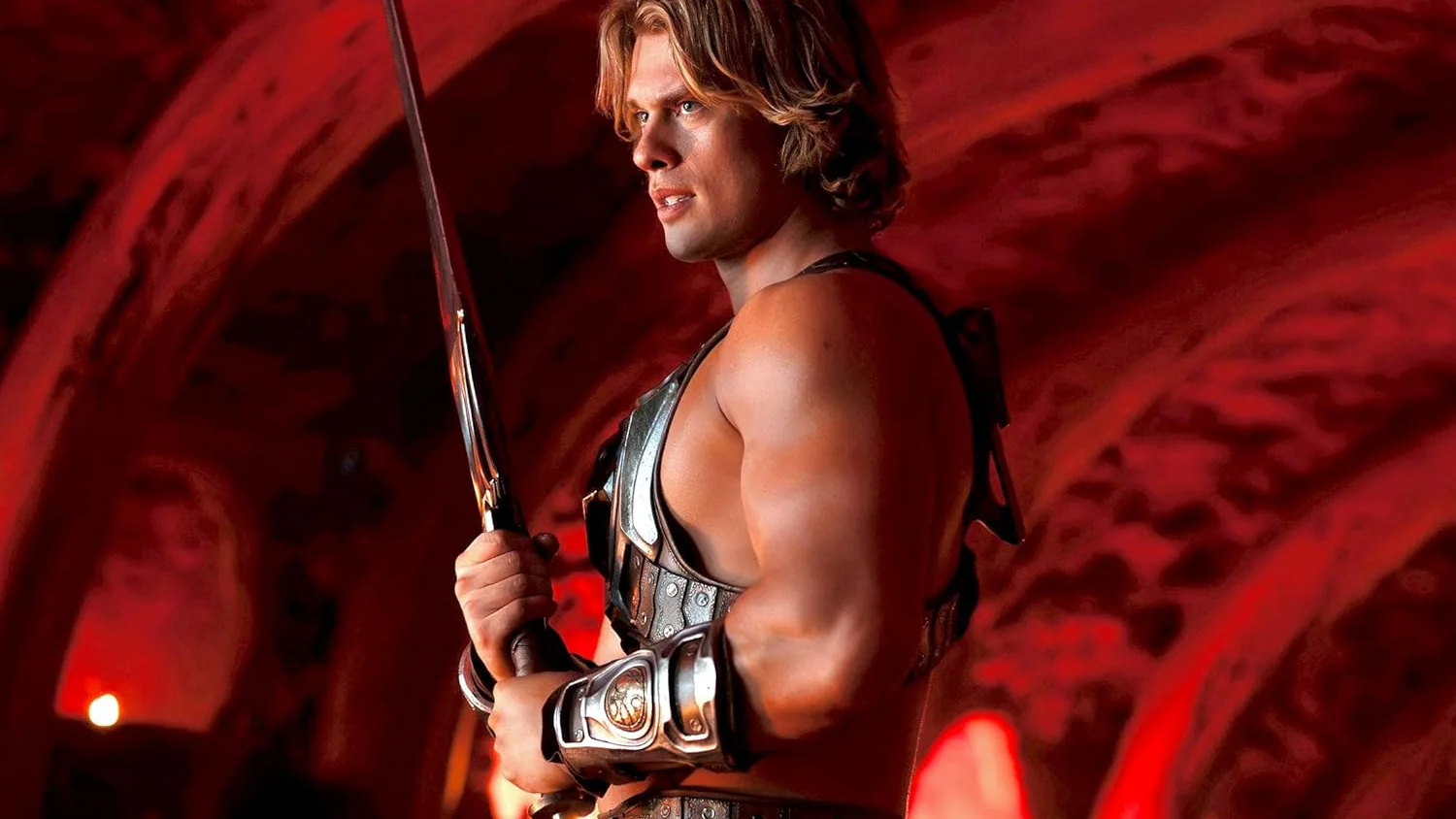
UPDATE: The doom signaled by that weak worldwide opening has arrived on schedule, with Masters of the Universe posting a second-weekend freefall of roughly 68% to a projected $9.4M, putting even a $100M domestic run in jeopardy.
Masters of the Universe has wrapped its opening weekend, and the worldwide number does not soften the blow. It confirms it.
The He-Man reboot debuted to just $54.3 million globally against a reported $170 million production budget, with overseas markets failing to ride to the rescue.
The split: $29.3 million in North America and $25 million from 86 international territories. For a globally recognized brand, pulling only $25 million from the entire rest of the planet is its own red flag, and it leaves the domestic flop we tracked all weekend looking even worse on the global stage.
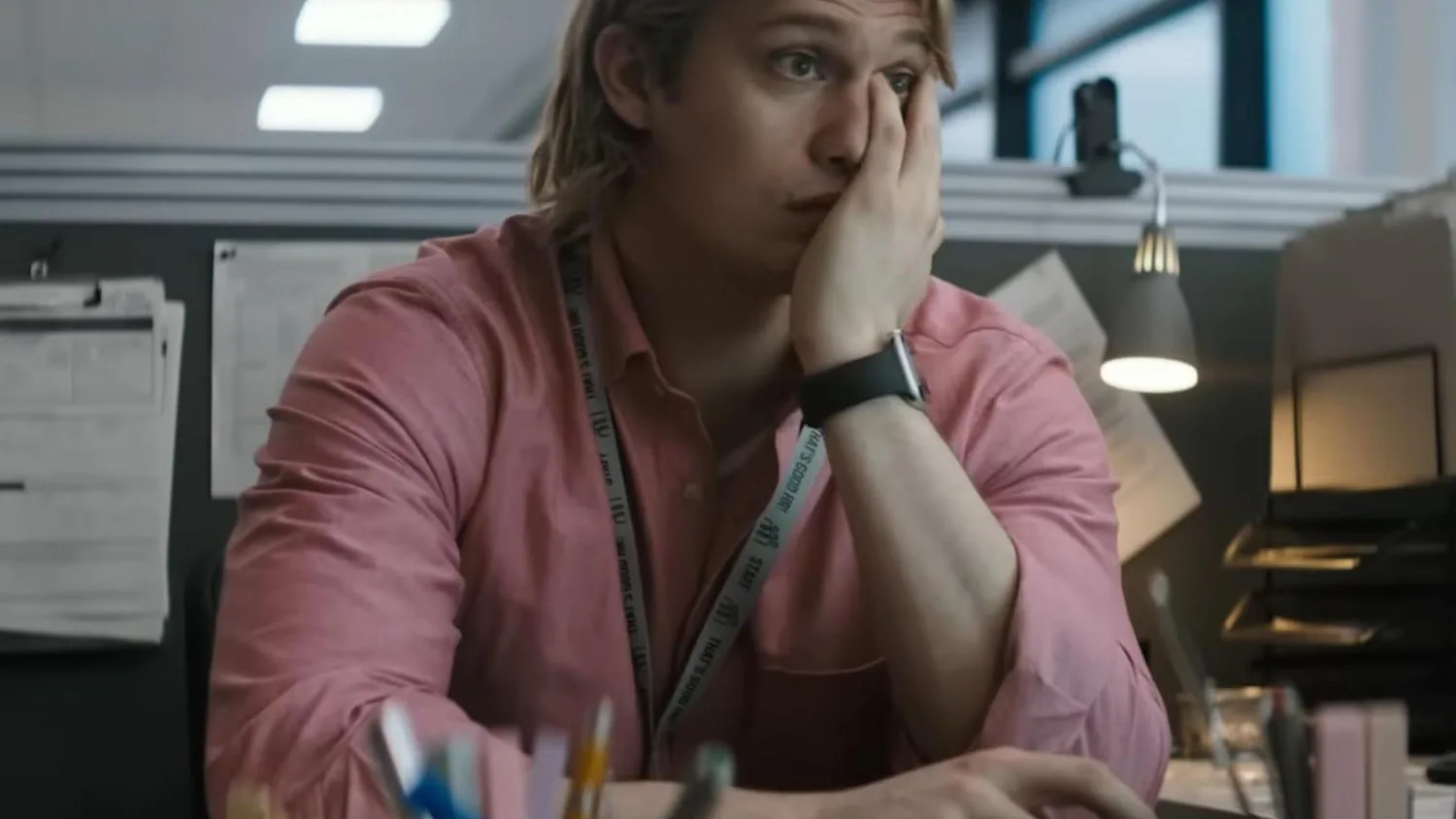
The Worldwide Box Office Makes It Worse
A soft domestic opening can sometimes be bailed out overseas. That did not happen here.
Masters of the Universe needed international audiences to show up in a big way because the domestic number was already too low for a movie this expensive. Instead, the overseas launch came in almost even with North America, despite playing in 86 international markets.
That is not the global breakout Amazon MGM and Mattel needed. It is a warning sign that He-Man did not travel as a modern theatrical brand, at least not at the level required for a $170 million franchise starter.
With a worldwide start of $54.3 million, Masters of the Universe now has a mountain to climb just to get near break-even, which is around $425 million. That leaves the film with a break-even target it has no chance of reaching.
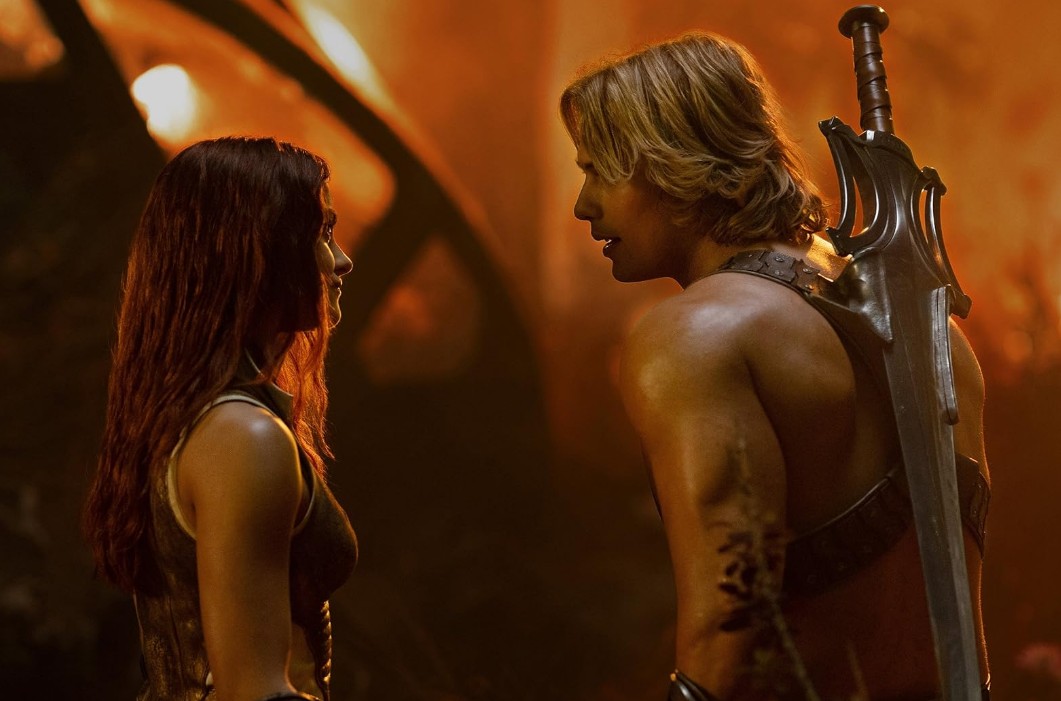
No New Generation Showed Up
The final demographic picture seals the story we have been telling since the previews.
Per Deadline, the single biggest demographic was the 45-to-54 crowd at 29%, which points directly to the audience that grew up on the 1980s Filmation cartoon.
Kids under 12 made up just 5% of the audience, while teens 13-17 accounted for only 6%. For a movie supposedly built to introduce He-Man to a new generation, those numbers are brutal.
It gets worse for the legs argument. Even the kids who did show up only gave it a 56% “must see right away,” which means they are unlikely to drag parents back for repeat viewings.
As the opening-night data already showed, this played to the older, male base He-Man always had and almost no one new. Amazon MGM and Mattel needed more than the core He-Man crowd. They did not get it.
He-Man Joins The 1980s Revival Problem
The bigger picture is not just a He-Man problem.
Masters of the Universe is the latest revived 1980s property to struggle at the modern box office. It follows Tron: Ares and The Running Man into the same disappointing territory: brands with name recognition among older audiences, rebuilt with big budgets and modern polish, only for younger moviegoers to stay home.
The pattern is becoming hard to ignore. These properties had their moment decades ago, but name recognition is not the same thing as fresh demand.
For context, 2023’s Dungeons & Dragons: Honor Among Thieves — another fantasy property with deep roots in 1980s pop culture — opened to $37.2 million domestically and was still considered a commercial disappointment.
Masters of the Universe came in below even that and below the recent bombs of Mortal Kombat II and The Mandalorian & Grogu.

The Barbie Bet Met The Guardians Formula
The strategy behind the movie now looks doubly misjudged.
As we broke down in our look at why the film tanked, Amazon and Mattel greenlit Masters of the Universe on the back of Barbie, betting a male-skewing fantasy property could pull a much broader audience.
On the creative side, director Travis Knight — who brought real heart to Bumblebee — reportedly aimed to inject a Guardians of the Galaxy sensibility into the material.
Whether you call the model Barbie, Guardians, or both, the goal was clear: take an old toy brand, make it self-aware and irreverent, and turn it into a modern crowd-pleaser.
The audience data says the approach did not broaden anything. The people who showed up were mostly the people who were already going to show up.
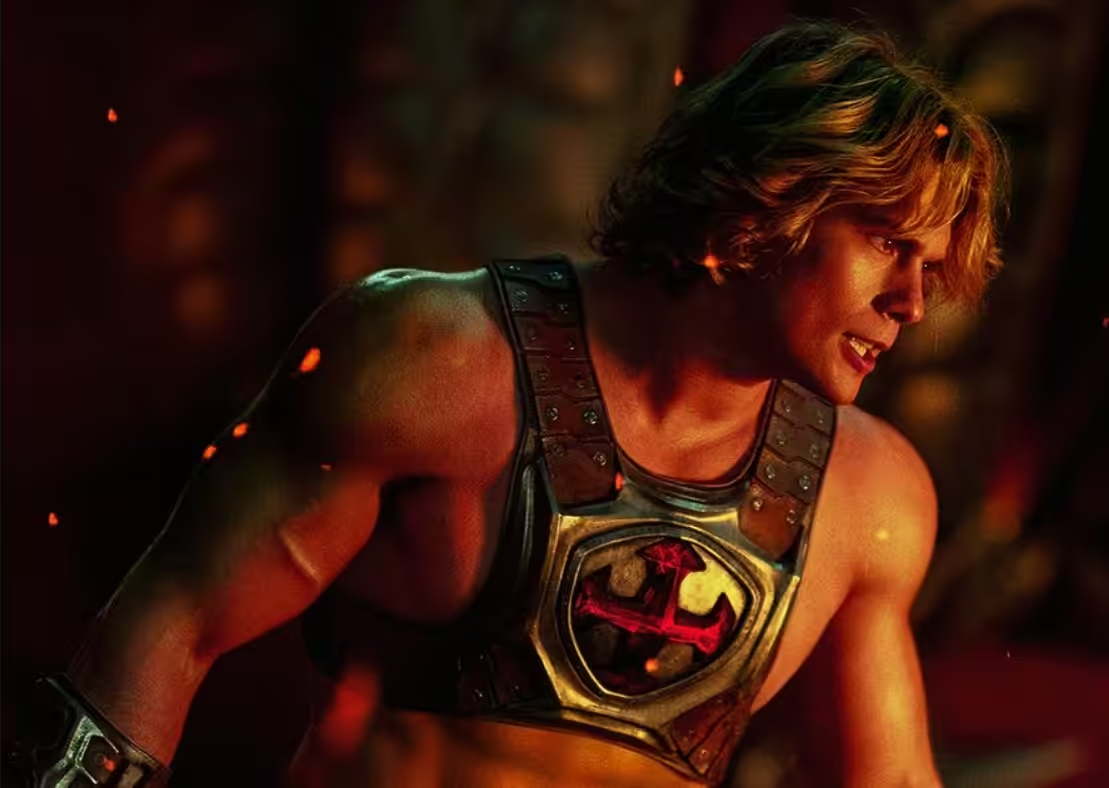
The Scores Are Not Enough
Critics settled at a soft 67% on Rotten Tomatoes, while the audience score sits at 87%, with a 65% definite recommend. The movie also earned a B CinemaScore stateside (a score usually reserved for iffy horror films), which technically edged out Scary Movie’s C+.
But for a $170 million PG-13 fantasy adventure trying to launch a major franchise, those numbers are not strong enough. A B CinemaScore might be fine for horror, where audiences grade harder. For a big family-friendly action movie, it points to mixed word-of-mouth at best.
My own review landed at a 5 out of 10: a movie with real moments, but also one that never fully commits to what it wants to be.
Decent audience numbers from the people who bought tickets do not matter much if the audience is too small to save the movie.
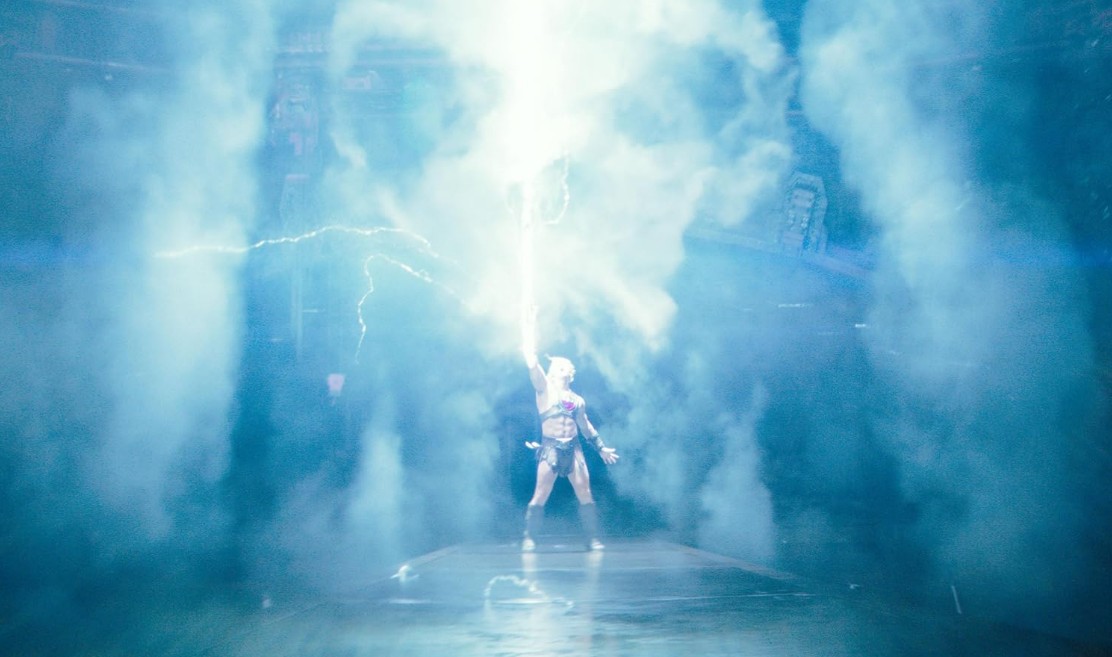
He-Man Was Not The Problem
The problem was not that He-Man is impossible to sell.
The problem is that this version never fully embraced what makes He-Man work. Fans wanted something epic, muscular, mythic, and fun — not a movie that kept stopping itself with goofy jokes, mixed messaging, and a tone that often felt embarrassed by the property.
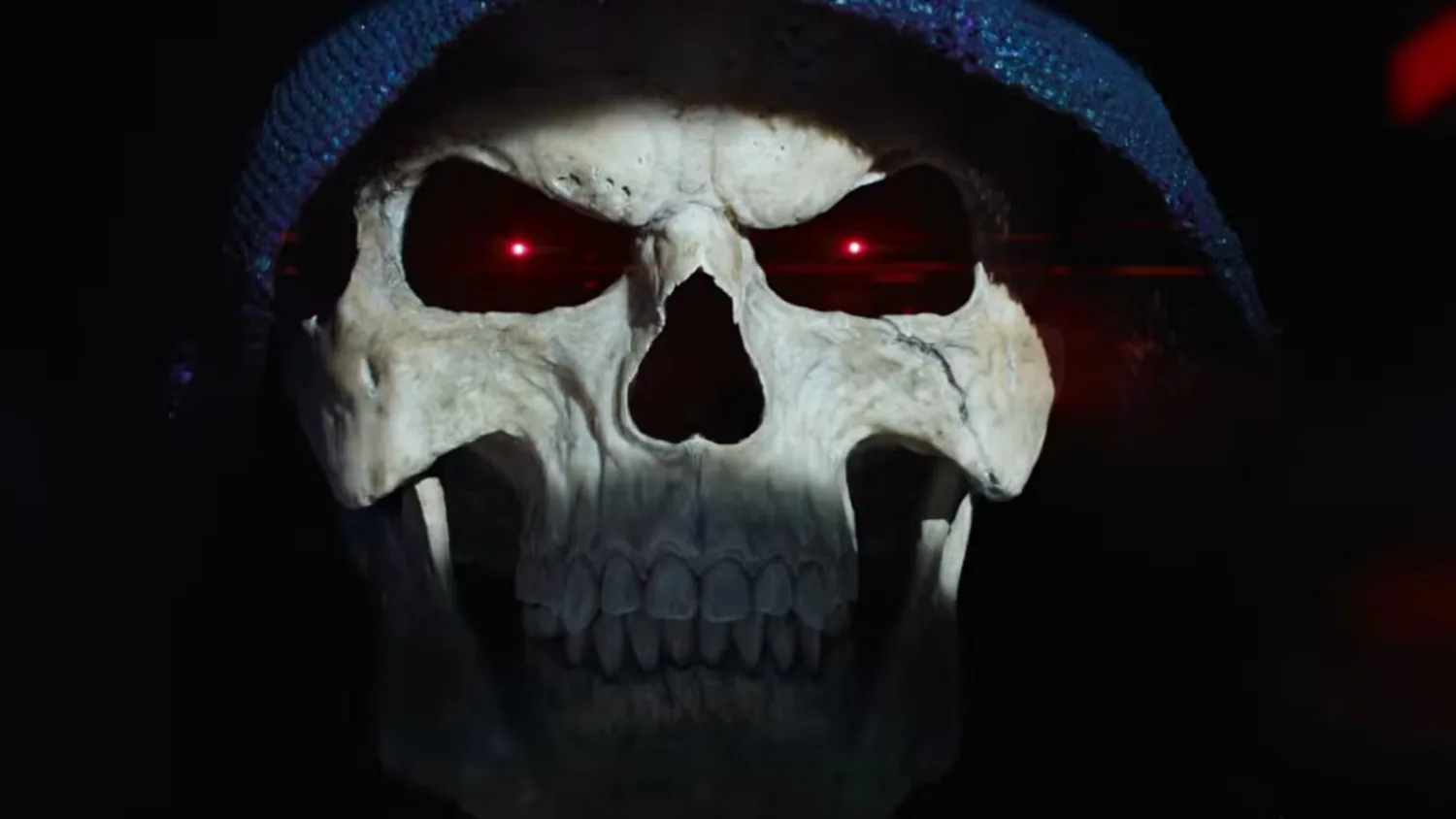
Masters of the Universe had the pieces. Skeletor, Beast Man, the Power Sword, Castle Grayskull, strange creatures, fantasy battles, and the whole mythology were all there. The movie even had moments where it finally felt like the He-Man movie fans wanted.
But those moments were too rare.
Instead of leaning into the fantasy, action, and larger-than-life appeal of Eternia, Amazon MGM and Mattel chased the Barbie playbook and mixed it with a goofy, over-the-top Guardians of the Galaxy-style quip machine. For this property, that was the massive misfire.
With $54.3 million worldwide on a reported $170 million budget, a He-Man franchise is almost certainly off the table.
The previews warned about it. The domestic opening confirmed it. The worldwide number closes the book.
Masters of the Universe is a box office bomb, and another reminder that nostalgia alone is not enough when the movie itself does not give fans the epic version they showed up hoping to see.
Amazon, for its part, isn’t calling it a bomb at all. The studio is spinning the $54 million opening as “truly special” and a validation of its strategy, which is its own story.