Netflix has launched a full-scale public relations campaign aimed directly at Warner Bros. Discovery stockholders, pushing them to approve its proposed $82.7 billion acquisition of WBD while painting the deal as a win for fans, creators, and Hollywood.
The campaign follows WBD’s board formally urging shareholders to reject Paramount Skydance’s hostile bid and back Netflix instead.
Netflix executives Ted Sarandos and Greg Peters are now flooding investors with promises that everything fans care about — theatrical releases, legacy franchises, and creative teams — will remain untouched.
However, critics aren’t buying it.
Netflix Spins the Deal as “Business as Usual”
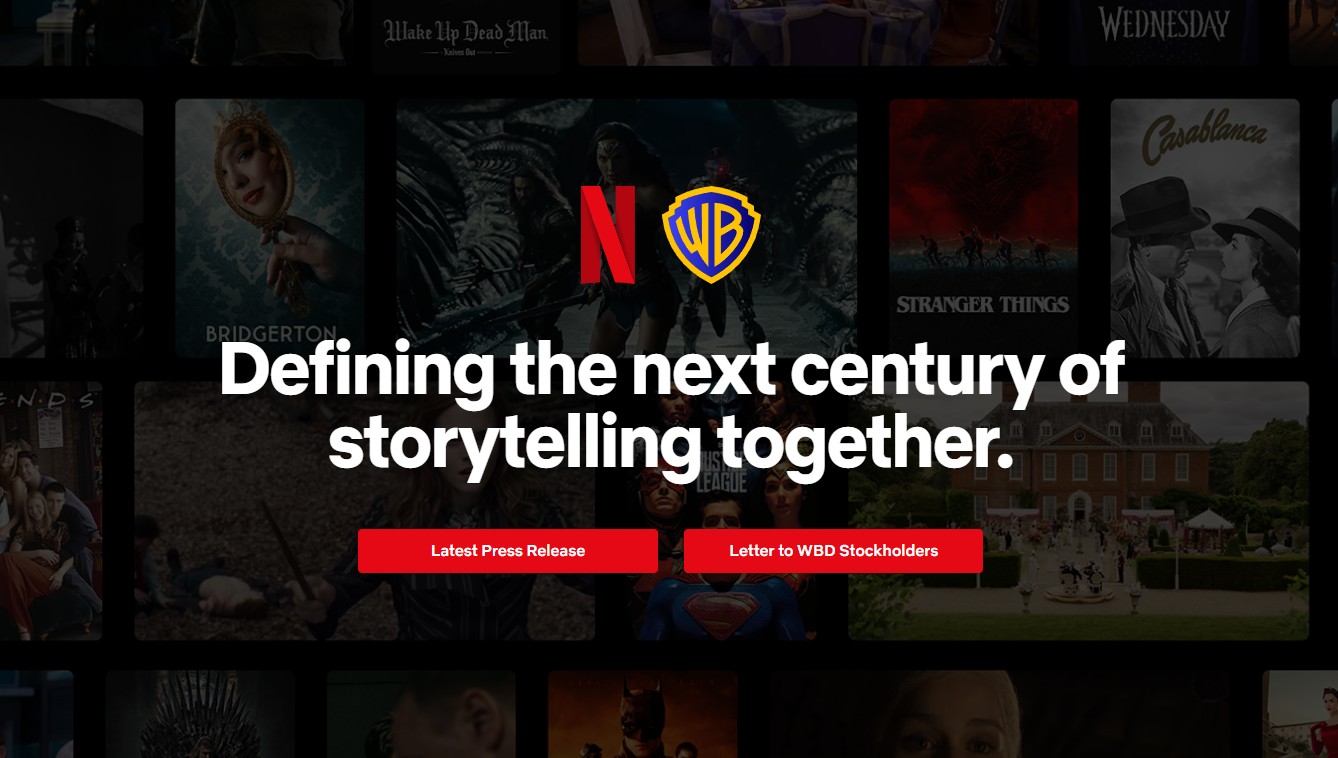
In its messaging and on the newly launched NetflixWBtogether.com, Netflix claims Warner Bros. will continue operating independently, with executive teams kept in place and theatrical releases preserved with “industry-standard windows.”
The PR site prominently features imagery from major fan-favorite properties, including:
- Harry Potter
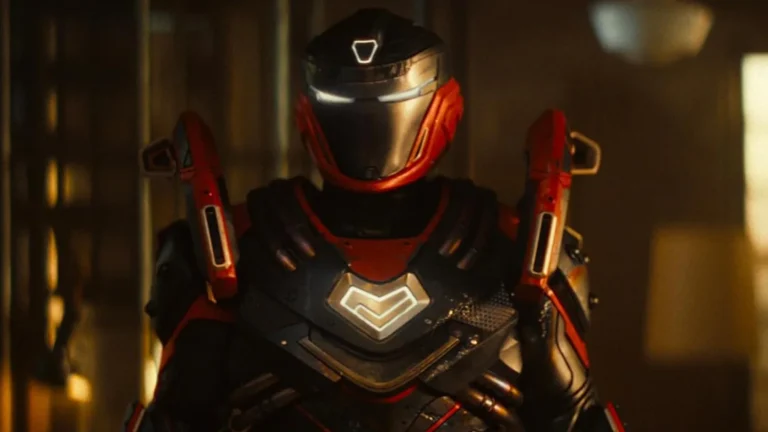
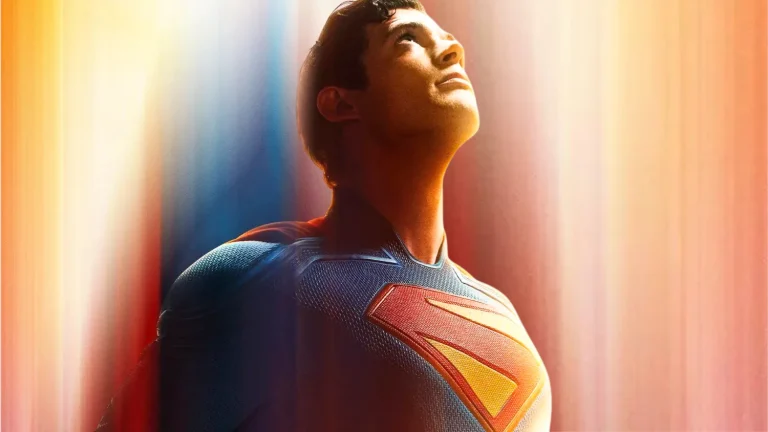
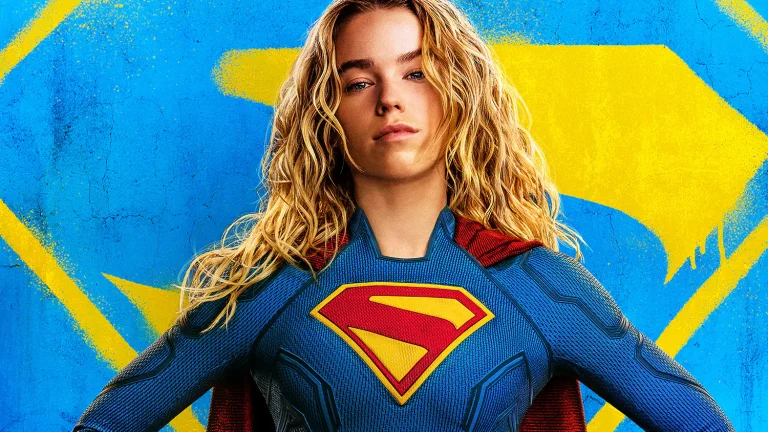
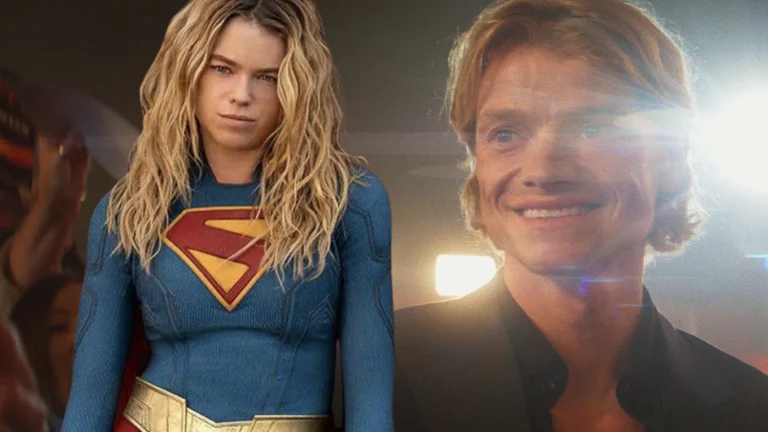
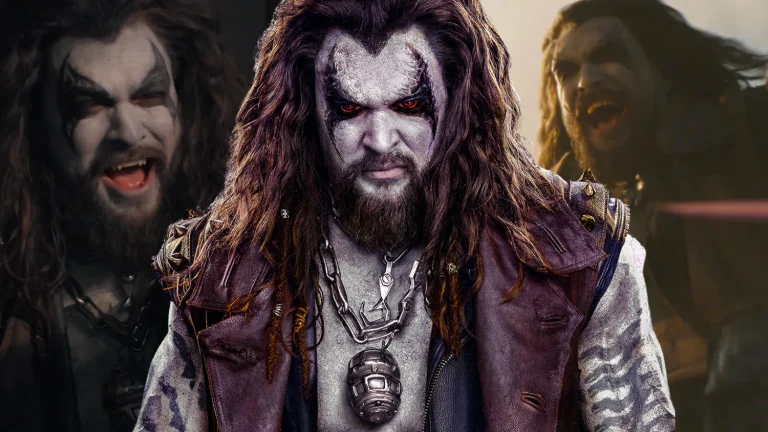
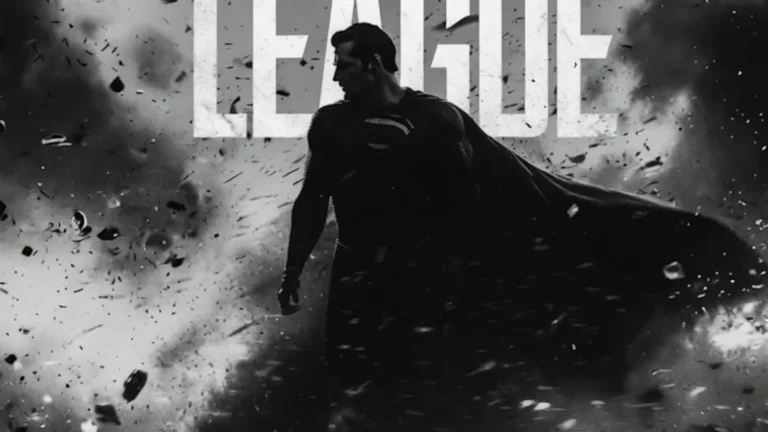
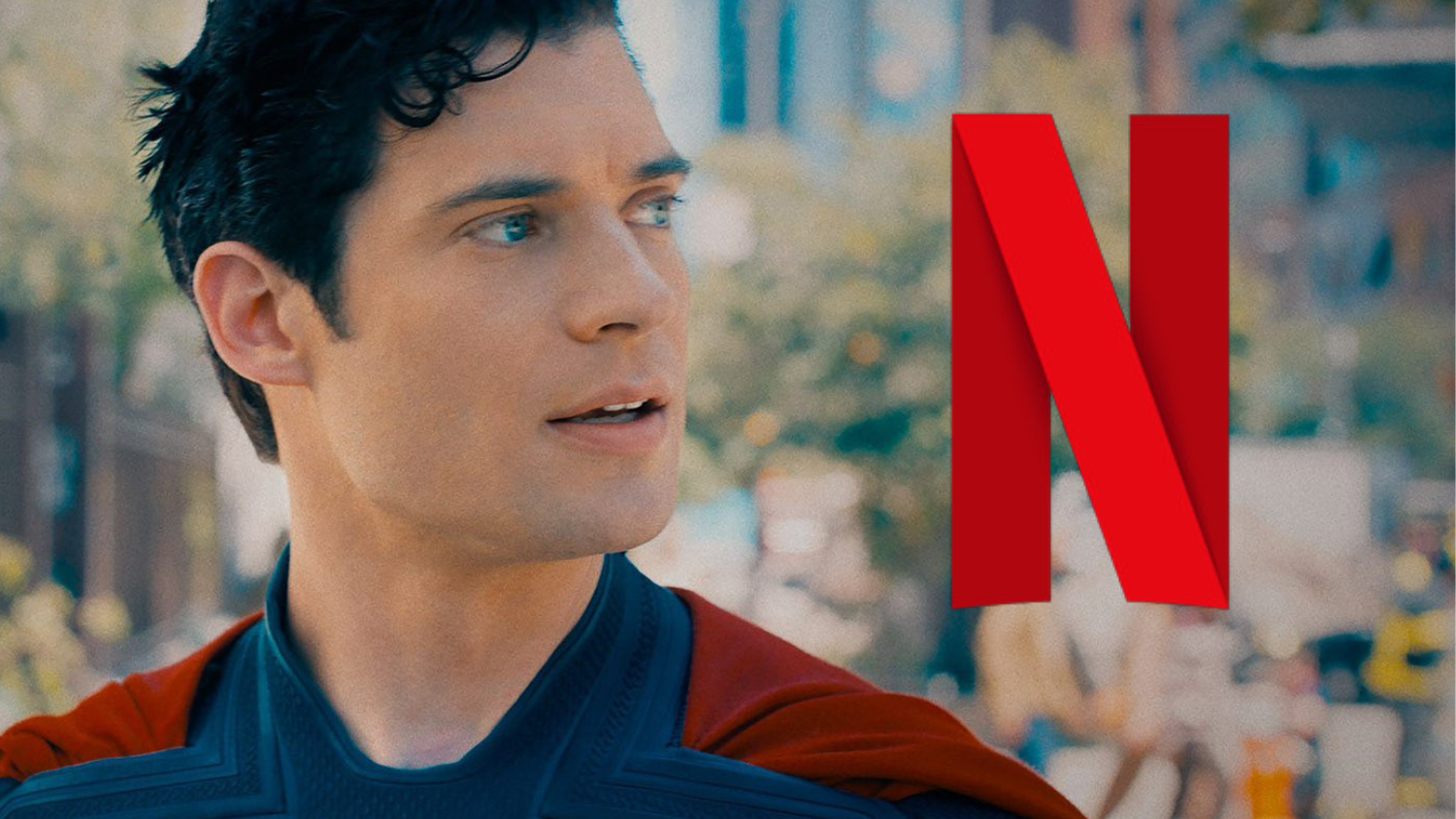
- DC franchises spanning the SnyderVerse to James Gunn’s Superman
- Classic Warner Bros. films and HBO prestige series
The message is clear: nothing changes — except Netflix owns everything.
Executive Stability Claims Rarely Survive Major Mergers
It’s also worth noting that claims about keeping executive teams intact are standard merger rhetoric.
In practice, major mergers always lead to leadership shakeups, restructuring, and power consolidation once the deal closes.
Even when executives are initially retained to project stability, overlapping roles, cost-cutting, and strategic realignment almost inevitably result in departures, especially in a deal of this size and scope.
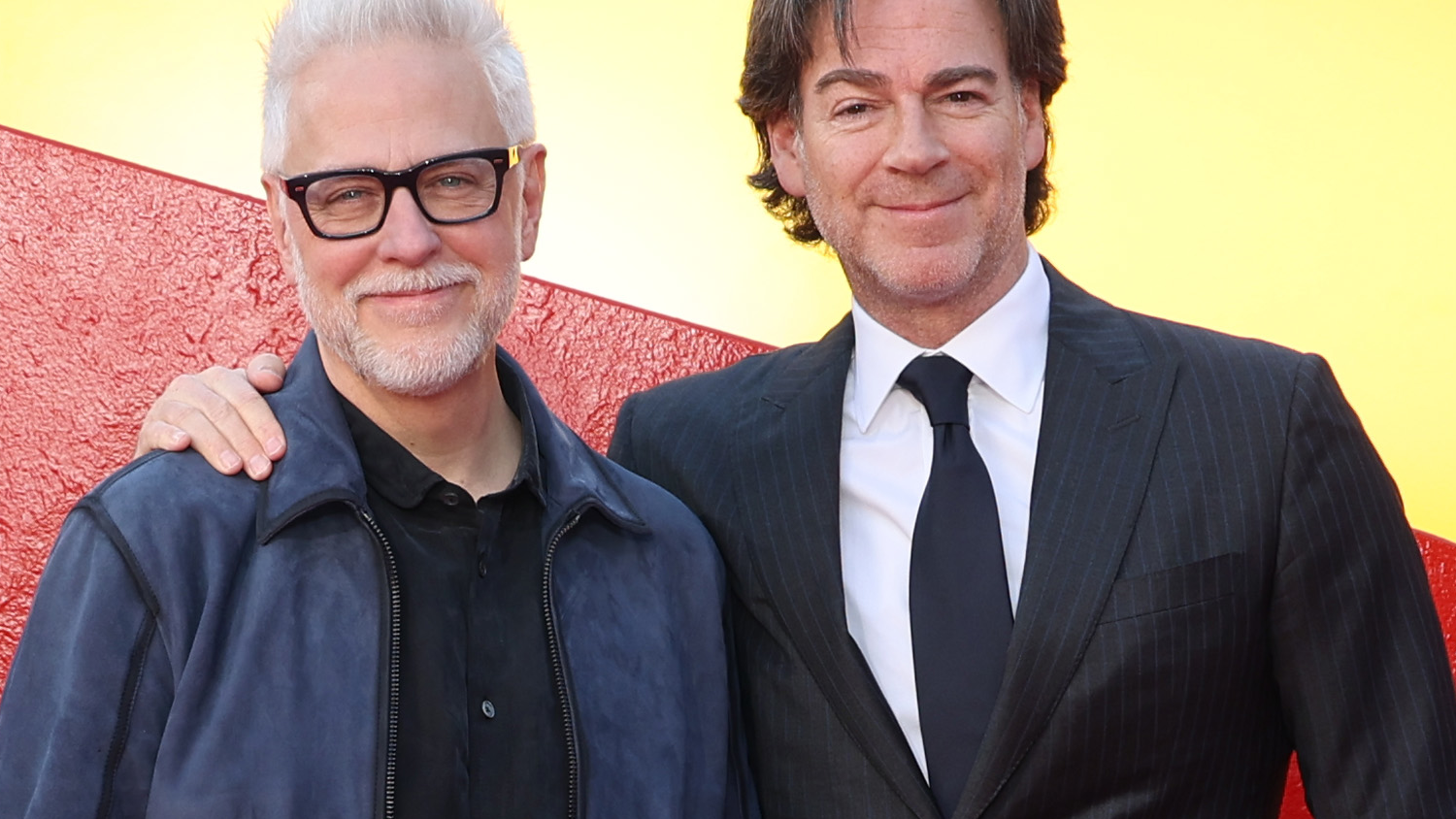
This is simply evident by the fact that James Gunn and Peter Safran ran to Bloomberg to save their jobs after Netflix won the bid.
What Netflix Isn’t Emphasizing: Regulatory Hell Ahead
The biggest omission from Netflix’s glossy campaign is the reality of regulatory scrutiny.
Netflix admits the merger could take 12–18 months to close, requiring approval from U.S. and international regulators, including the DOJ and EU competition authorities.
Given Netflix’s dominant global streaming position, the deal is expected to face serious antitrust resistance.
Hollywood insiders have already begun framing the merger as a potential monopoly play that would concentrate too much power over content, distribution, and pricing in one company’s hands.
Hollywood Pushback Is Growing
Despite Netflix’s claims that the deal is “pro-creator,” the entertainment industry remains deeply skeptical.
Netflix has long been criticized for:
- Undermining theatrical releases
- Limiting backend participation for creators
- Replacing traditional profit participation with flat buyouts
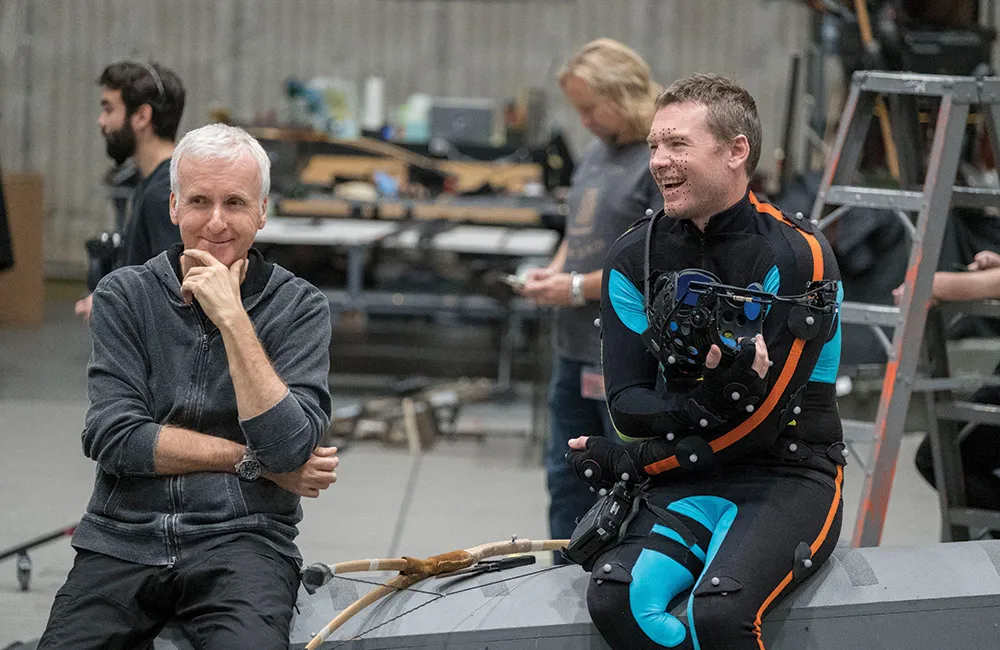
Major filmmakers have spoken out against Netflix’s model in recent years. James Cameron is among the most recent high-profile voices warning that streaming-first economics devalue theatrical filmmaking and long-term creative sustainability.
For many in Hollywood, Netflix owning Warner Bros. only accelerates trends they already see as damaging.
See the PR Campaign for What It Is
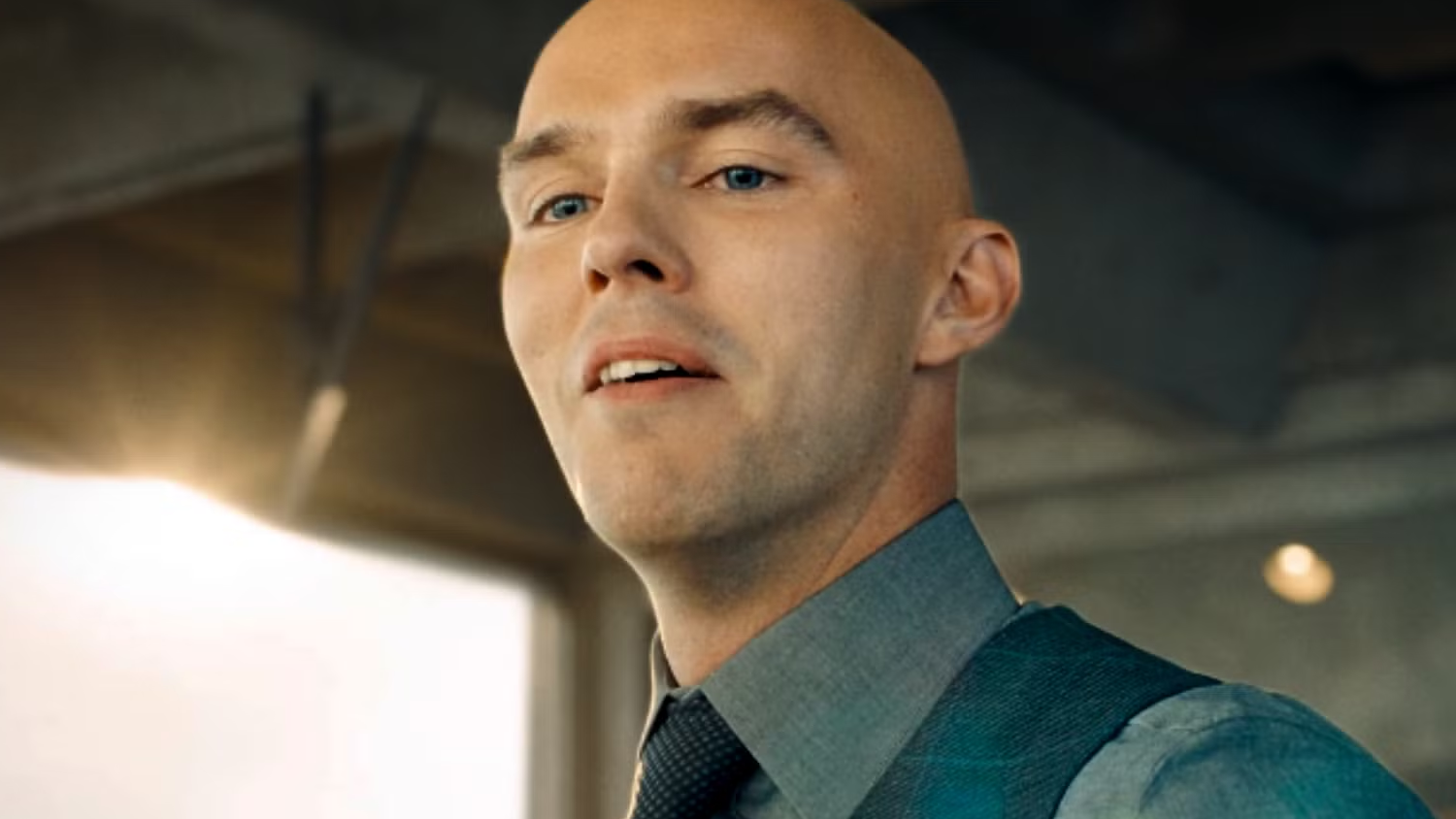
While Netflix positions itself as a steward of Warner Bros.’ legacy, the campaign is aimed less at creators or audiences and more at swaying WBD shareholders with fan-bait imagery and reassuring language.
The pitch promises stability, growth, and respect for theatrical cinema — all areas where Netflix’s past behavior has fueled distrust.
Whether regulators, creators, or fans accept Netflix’s vision remains an open question, but the aggressive PR rollout signals one thing clearly: Netflix knows this merger will be a fight.