Editor’s note: The following is an editorial and contains opinion and analysis.
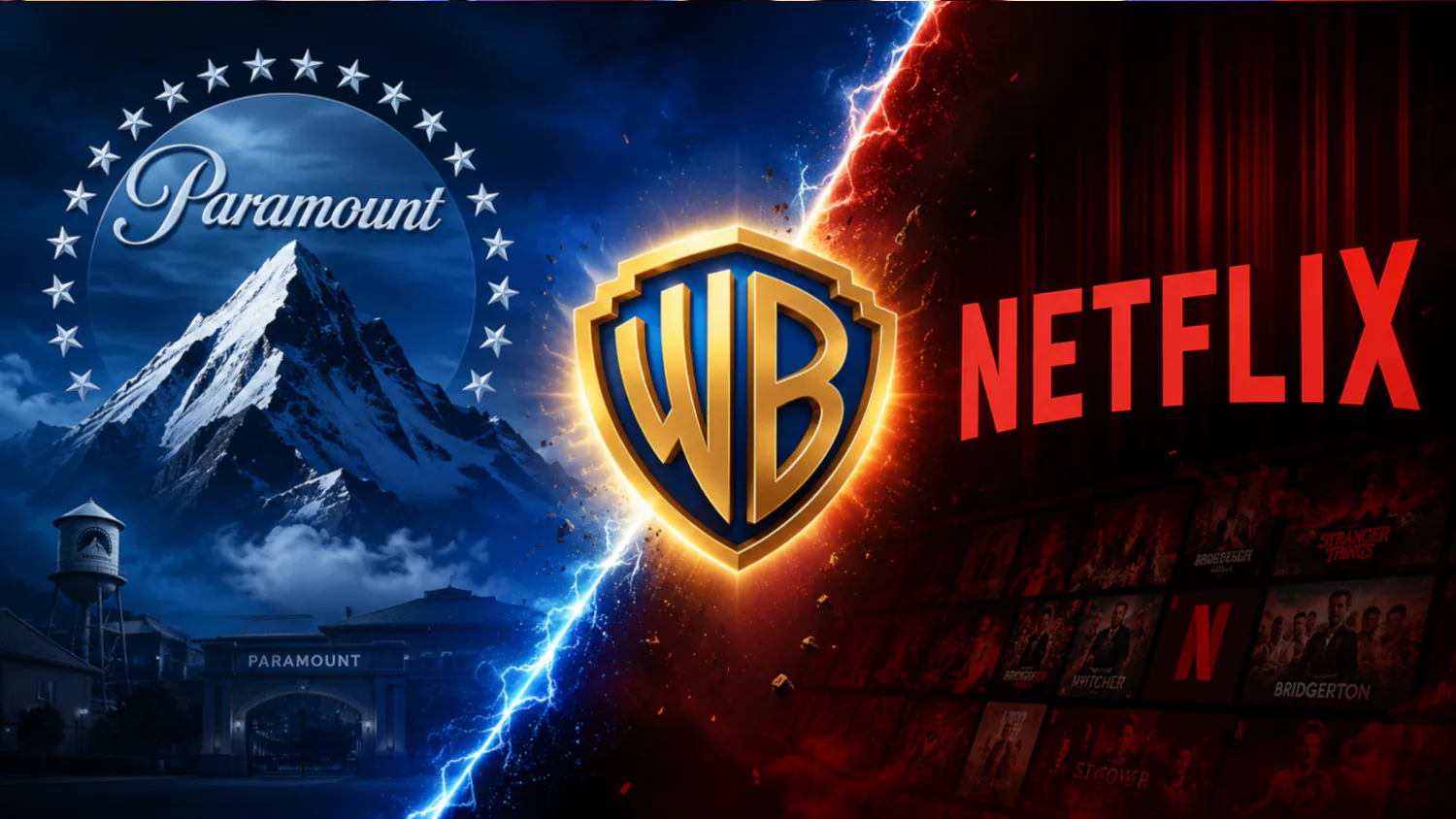
Paramount buying Warner Bros. Discovery is looking more like the right call by the day, and Netflix may have just proved it.
During the bidding war for WBD, Netflix tried to calm Hollywood by insisting it would respect theatrical releases. The pitch was simple: Don’t worry, Warner Bros. movies would still go to theaters. Netflix was not here to kill the theatrical business.
Now comes the problem.
Netflix film chief Dan Lin recently told The New York Times, via Deadline and Variety, the streamer has “accepted” it simply will not work with filmmakers who still want theatrical releases.
“There is a group of filmmakers who still want theatrical. Those are filmmakers that we’ve accepted we just won’t work with.”
Netflix film chairman Dan Lin, to The New York Times
So which is it?
Was Netflix really going to protect Warner Bros. as a theatrical studio, or was it only saying what it had to say while trying to win one of the biggest media deals in Hollywood history?
Netflix Said The Right Things During The Bidding War
Netflix’s theatrical pitch always sounded a little too convenient.
The company has spent years conditioning audiences to expect movies at home, not in theaters. Its entire model is built around keeping subscribers on the platform.
Theatrical windows are useful when Netflix needs awards buzz, a major filmmaker, or a public relations win, but they have never been the heart of the business.
During the WBD fight, Netflix had every reason to sound friendly to theaters. Warner Bros. is not just another content library. It is Batman, Superman, Harry Potter, HBO, New Line, and one of the most important theatrical studios in the business.
Netflix could not openly tell Hollywood, theater owners, and regulators that it planned to treat Warner Bros. like another streaming content pipeline. So it said the opposite.
And this is not some abstract policy. Filmmakers have already been walking away from Netflix over exactly this.
The Duffer Brothers left for Paramount. Joseph Kosinski took F1 elsewhere over the lack of a theatrical plan. Emerald Fennell reportedly passed on a bigger Netflix bid for Wuthering Heights to protect a proper rollout. Zach Cregger’s The Flood stalled at Netflix over theatrical and landed at Warner Bros. Even Rian Johnson had to fight the company for a wide release of Knives Out.
Netflix’s own track record is the problem. Many of the same voices attacking Paramount’s WBD deal appeared far more comfortable with Netflix taking control of Warner Bros., even though Netflix has never treated theatrical releases as the core of its business.
Lin’s comments now make Netflix’s sales pitch look even thinner.
If Netflix does not want to work with filmmakers who want theatrical releases, then handing Warner Bros. to Netflix would have been a disaster waiting to happen.

Paramount Has A Much Better Argument
Paramount’s argument is not complicated: keep both studios alive, make more movies, and keep feeding theaters.
David Ellison has committed to releasing at least 30 theatrical films a year from the combined Paramount and Warner Bros. operation — at least 15 from each studio — with a minimum 45-day theatrical window before titles move to streaming. Whether every one of those movies works is a separate issue, but the direction is the important part. The plan is more output, not less.
Netflix’s plan, based on its own executive’s words, looks very different. If a director wants theaters, Netflix may not even want that director.
One company is promising to put 30 movies a year on the big screen. The other just told The New York Times it would rather lose great directors than do that.
For anyone who claims to care about movies, theaters, and filmmakers, Paramount is clearly the better option. A traditional studio buying another traditional studio comes with obvious concerns, but it is still better than handing Warner Bros. to the company that sees theaters as optional at best and inconvenient at worst.
J.J. Abrams already accidentally made the case for the Paramount-WBD merger when he came out against it after years of benefiting from the old Hollywood system.
Netflix has now made the argument even stronger.
Now Paramount Says Netflix Is Trying To Derail The Deal
The fight is getting even messier.
Deadline reports that in a June 5 letter to the Department of Justice, Paramount accused Netflix of running a “scorched-earth campaign” to poison regulators against the WBD merger as the deal continues under review.
Netflix called the accusation “absurd,” insisting it walked away months ago and is focused on its own business.
Worth remembering: Netflix walked away with a reported $2.8 billion breakup fee. A losing bidder that pockets nearly $3 billion and is then accused of lobbying against the winner is not exactly behaving like a company that simply moved on.
For months, there has been talk around the bidding war that Netflix’s involvement was never just about buying WBD. The suspicion was that Netflix wanted to slow Paramount down, make the deal harder, and drive up the price.
Netflix declining to raise its offer after Paramount came over the top only adds to the suspicion. The streamer got involved, forced a fight, made all the right noises about theatrical, then walked away when the price got too high.
Now, after losing the bidding war, Netflix is reportedly being accused of trying to interfere with Paramount’s win.
Funny how that works.
The Anti-Paramount Push Looks Political, Too
The backlash against Paramount buying WBD has also never looked purely business-based.
Yes, there are real questions about consolidation, layoffs, and competition. Those questions should be asked with any merger this large.
At the same time, a lot of the loudest opposition has come from the usual Hollywood political crowd and left-wing voices who seem much more comfortable with Netflix controlling the industry than Paramount.
UPDATE: The case for the merger just got a new chapter, with a New York Post report identifying left-wing billionaire money funding the organized opposition through networks of nonprofits tied to George Soros, Pierre Omidyar, and Neville Singham.
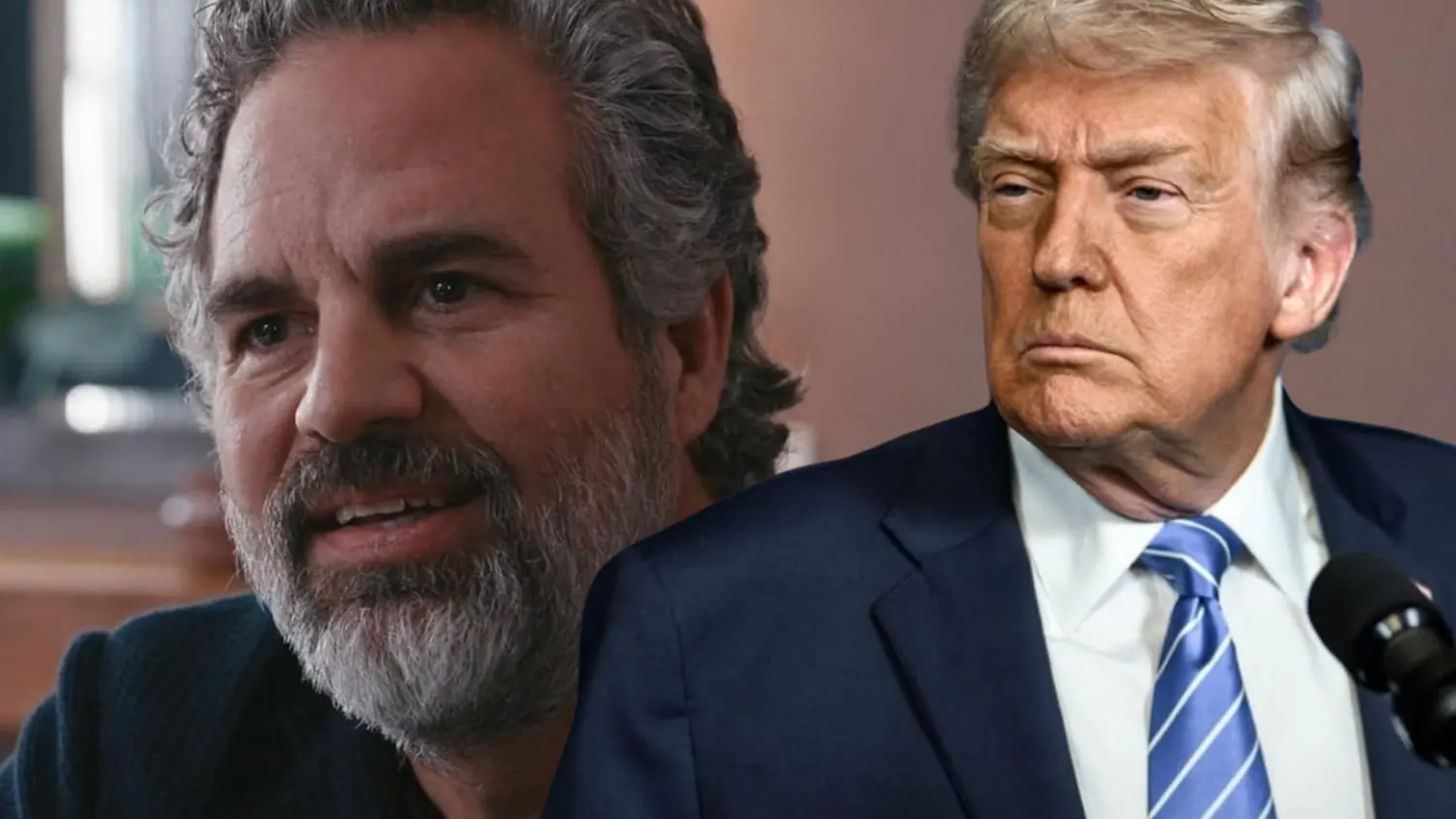
The “Block the Merger” letter racked up thousands of celebrity and guild signatures, activist groups lined up protests, and the loudest names calling for government intervention — Mark Ruffalo among them — are the same activist voices attached to every other cultural fight in the industry.
As previously covered, the negative campaign against Paramount has included familiar names and familiar politics. The issue is being sold as a fight to protect creativity, but it often looks like another attempt to decide who is allowed to control Hollywood.
Netflix owning Warner Bros. would not have been some heroic rescue mission. It would have put one of Hollywood’s most important theatrical studios under the control of the biggest streaming company in the world.
Paramount buying WBD is not perfect. No mega-merger is. But compared to Netflix swallowing Warner Bros. and then deciding which filmmakers are too attached to theaters, Paramount looks like the much safer bet for movies, theaters, and fans.
Netflix spent the bidding war telling Hollywood not to worry.
Its own film chief just gave everyone a reason to be thankful Netflix lost.
UPDATE: The argument that the Paramount-WBD deal is the right call got official backing, as the DOJ’s antitrust review concluded the merger benefits workers and won’t harm competition.