Editor’s note: The following is an editorial and contains opinion and analysis.
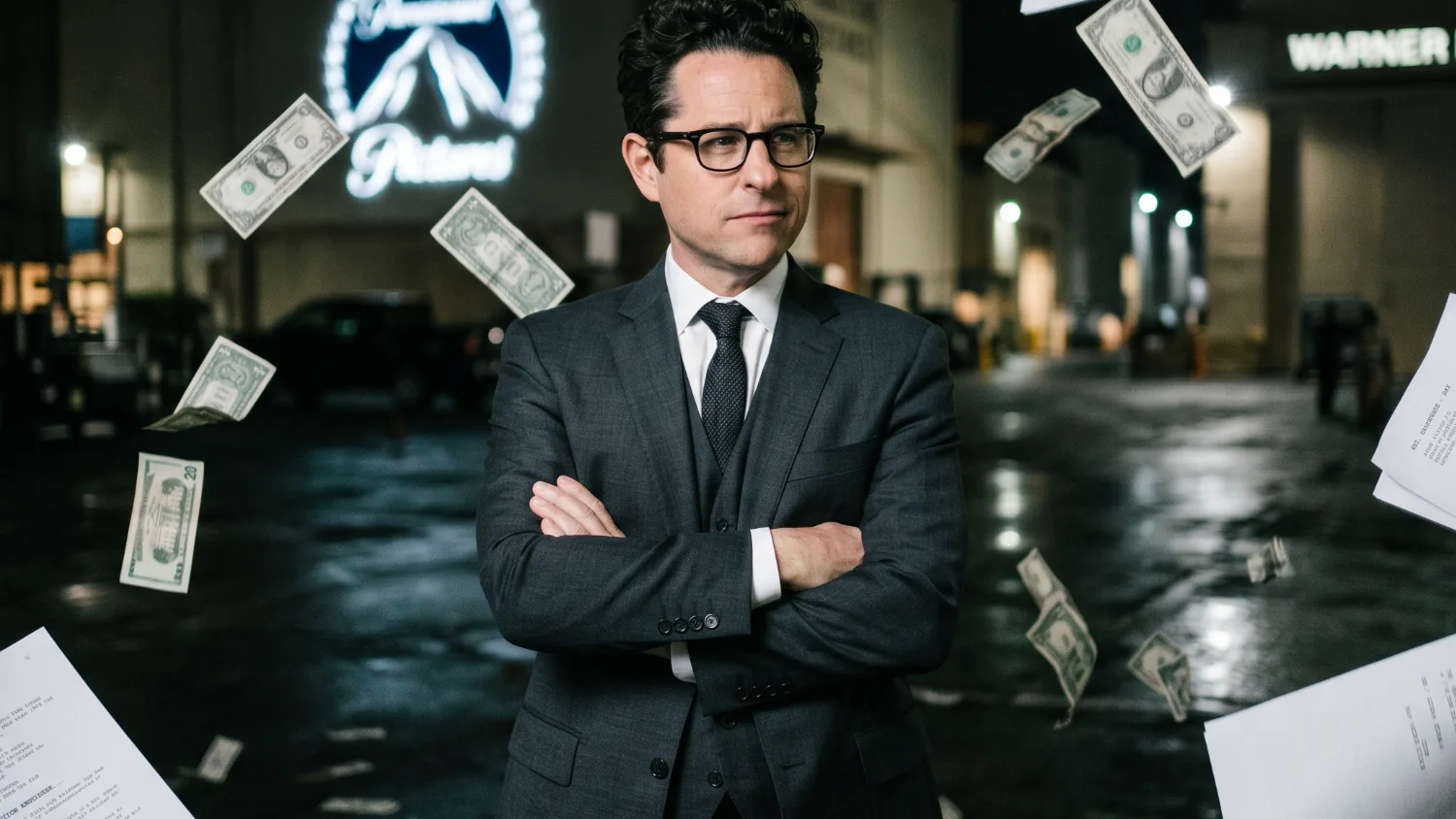
J.J. Abrams signing on to oppose the Paramount-Warner Bros. Discovery merger says more about Hollywood’s broken system than it does about the merger itself.
Abrams is one of the last people who should be lecturing anyone about what is good for the business after cashing in on one of the biggest studio deals of the streaming era and delivering nowhere near the kind of output that justified the hype.
Abrams got paid like a savior
Back in 2019, WarnerMedia won the bidding war for Abrams and Bad Robot with a deal reported at at least $250 million, with some coverage putting the full value near $500 million once incentives were factored in.
By 2022, even The Hollywood Reporter was reporting that David Zaslav was frustrated by the lack of output from that pact.
Abrams and his defenders never want to talk about that part. Hollywood loves to scream about “protecting creativity” whenever executives start talking cuts, but what exactly did Warner get out of it? A giant check. Big promises. Results that never came close to matching the billing.
What did Warner actually get?
Westworld does not even work as a real defense for Abrams here. He was already attached to that HBO series years before the 2019 mega-deal, with the show dating back to HBO’s 2013 pilot order and premiering in 2016. So no, that is not fresh value created by the Warner pact people are talking about.
Under the Warner arrangement, one of the clearest Abrams projects to actually arrive was Duster, which was ordered in 2020, premiered on Max in May 2025, and then got canceled after one season in July 2025.
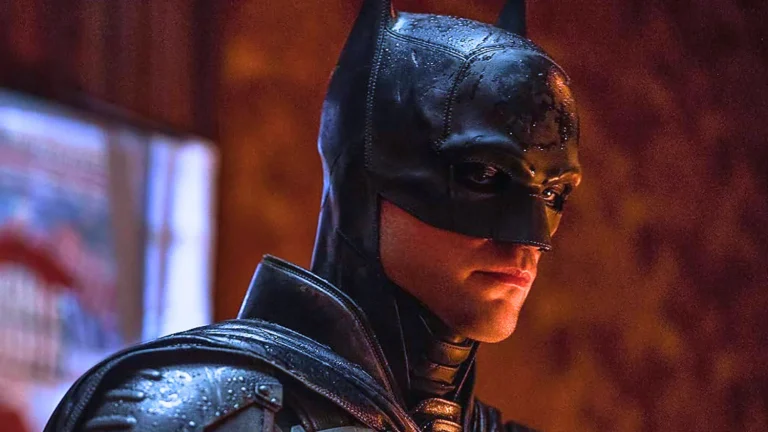
Batman: Caped Crusader was also part of Bad Robot’s orbit, but Warner passed on it and the series wound up at Amazon. Even recent Warner announcements tied to Bad Robot, like Emily the Strange, feel more like pipeline talk than proof of a huge return on investment.
The real joke is Abrams treating this merger like a threat to creativity after spending years as the poster boy for the exact opposite: elite Hollywood dealmaking where a studio throws absurd money at a big name and gets very little in return.
The downsizing says it all
Now comes the latest twist.
Bad Robot is downsizing, closing its Los Angeles office, and shifting operations to New York. At the same time, Abrams’ old mega-deal is gone. In late 2024, Warner only renewed him on a smaller, two-year first-look pact, which Variety described as a sign of the end of the mega-deal era.
Read between the lines and the message is obvious. The town already decided Abrams is not worth the kind of blank check he once got.
Studios are done paying top dollar just for the illusion of prestige. So when Abrams suddenly jumps into activist mode over this merger, it comes off less like principle and more like someone protecting a version of Hollywood that worked very well for him personally.
Abrams signed the letter, but the optics are brutal
Abrams is one of more than 1,000 signatories on the open letter opposing the Paramount-WBD merger. The letter argues the deal would mean fewer jobs, fewer opportunities, and fewer films, and it warns the number of major U.S. studios would drop to four. Abrams’ name is right there on the site.
The problem is the optics are terrible.
Paramount says the combined studios would remain stand-alone movie operations and release 30 movies a year in theaters. You can argue over whether that promise will hold, but at least it is a concrete output pledge.
Abrams, by comparison, already had years to show what a lavish studio commitment to “creativity” looked like in practice. It mostly looked like development hell, canceled projects, and a company now shrinking its footprint.
Why this actually helps the merger case
Abrams accidentally makes the best argument for the merger. The old Hollywood model burned mountains of cash on celebrity producers, prestige packaging, and endless development with too little to show for it.
If the new company is serious about making 30 movies a year, that sounds a lot better than dumping nine figures into bloated vanity deals and pretending it was a win.
Abrams wants to frame himself as a defender of artists. Fine. But plenty of people will look at his Warner run and see something else: a guy who benefited from the excess, failed to justify the price tag, and is now complaining that the business might finally be forced to act like a business.
J.J. Abrams looks like the wrong messenger
If Abrams wanted to make a serious case against the merger, he needed to be the last guy to sign that letter, not one of the first names people noticed.
He is not the face of creative efficiency. He is the face of peak-Hollywood overpayment. And when one of the biggest beneficiaries of that system starts warning everyone else about what is bad for the industry, it is hard not to laugh.
The truth is simple. Abrams opposing the Paramount-WBD merger does not make the merger look dangerous. It makes the old system look desperate.