Editor’s note: The following is an editorial and contains opinion and analysis.
Back in April, I said the campaign against Paramount buying Warner Bros. Discovery did not look like some organic Hollywood labor uprising. It looked political. Now, a new New York Post report is putting names, groups, and donor networks behind that exact point.
According to the report, the “Block the Merger” movement — sold publicly as a Main Street revolt by rank-and-file movie workers — is being pushed by a network of nonprofits funded by left-wing billionaires and activist donors, including groups tied to George Soros, Pierre Omidyar, and Neville Singham.
This is the same campaign I covered when it was leaning on celebrity outrage, anti-Trump rhetoric, and rumors of Netflix working behind the scenes to slow Paramount down. Now the funding picture is coming into focus, and it does not look grassroots.
As I wrote in April, the push against Paramount had familiar names and familiar politics. The Post’s report now fills in more of the money trail.
The Money Behind Block The Merger
One of the more prominent groups behind the effort is the American Economic Liberties Project (AELP), an anti-monopoly nonprofit that has been a loud opponent of the Paramount-WBD deal and helped organize the campaign’s June town hall in Los Angeles.
AELP Has the Foundation Money
Grant records already show AELP has received major foundation support. The Ford Foundation’s own public grants database lists $625,000 for AELP for an initiative focused on labor, technology, and consumer and antitrust protections. The Post also reports funding connections involving Soros’ Open Society network and Omidyar-backed antimonopoly efforts.
Their Research Director Called the Review “Obviously Corrupt”
AELP is not just sitting on the sidelines, either. Its research director, Matt Stoller, has been one of the more aggressive voices against the deal. He previously told Variety that the merger’s quick path through federal antitrust review looked “obviously corrupt.”
The Wider Network Pushing the Campaign
The Post also points to Democracy Defenders Action and Democracy Defenders Fund, tied to former Obama ethics lawyer Norm Eisen, as part of the anti-merger effort. The Democracy Defenders Fund press release for the campaign says groups including AELP, Free Press, the Center for American Progress, the Writers Guild of America, and others would “continue to work together to oppose the transaction.”
Then there is CodePink, which the Post names among the groups behind the campaign. CodePink has drawn scrutiny over its ties to Neville Roy Singham’s network, with Fox News Digital reporting the group received roughly $1.3 million from Singham-linked entities. House Republicans have also pressed federal agencies over alleged CCP ties involving that network, while Fox News has reported Treasury subpoenas tied to a CodePink Cuba trip, which co-founder Medea Benjamin has disputed receiving directly. The point is simple: this is not just a few Hollywood workers with handmade signs.

What The Post’s Sources Claim
The Post’s sources go further than the public filings and describe the campaign as “astroturfing” — a manufactured grassroots operation.
People close to the merger told the paper the opposition is rooted in left-wing activist politics and driven less by standard labor concerns than by hostility toward Larry and David Ellison over their closeness to President Trump.
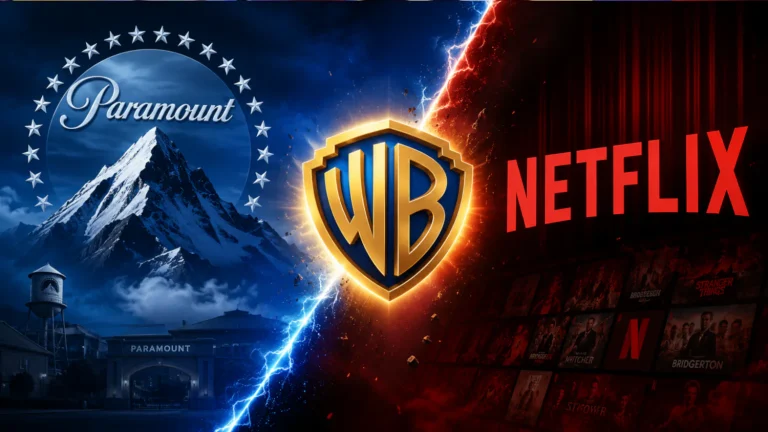
It also tracks with Paramount’s own recent pushback. Paramount has accused Netflix of running a “scorched-earth campaign” against the Warner Bros. Discovery deal, and the company has argued in court that a separate consumer lawsuit is a “misguided” attempt to “politicize antitrust law.”
The Celebrity Campaign Was Never Subtle
The public faces of Block the Merger were never hard to read.
Mark Ruffalo, Javier Bardem, Jane Fonda, Ben Stiller, Kristen Stewart, Joaquin Phoenix, and thousands of other Hollywood names signed the open letter opposing Paramount’s takeover of WBD. The campaign’s own site now lists more than 5,500 signatories.
J.J. Abrams Cashed In, Then Signed the Letter
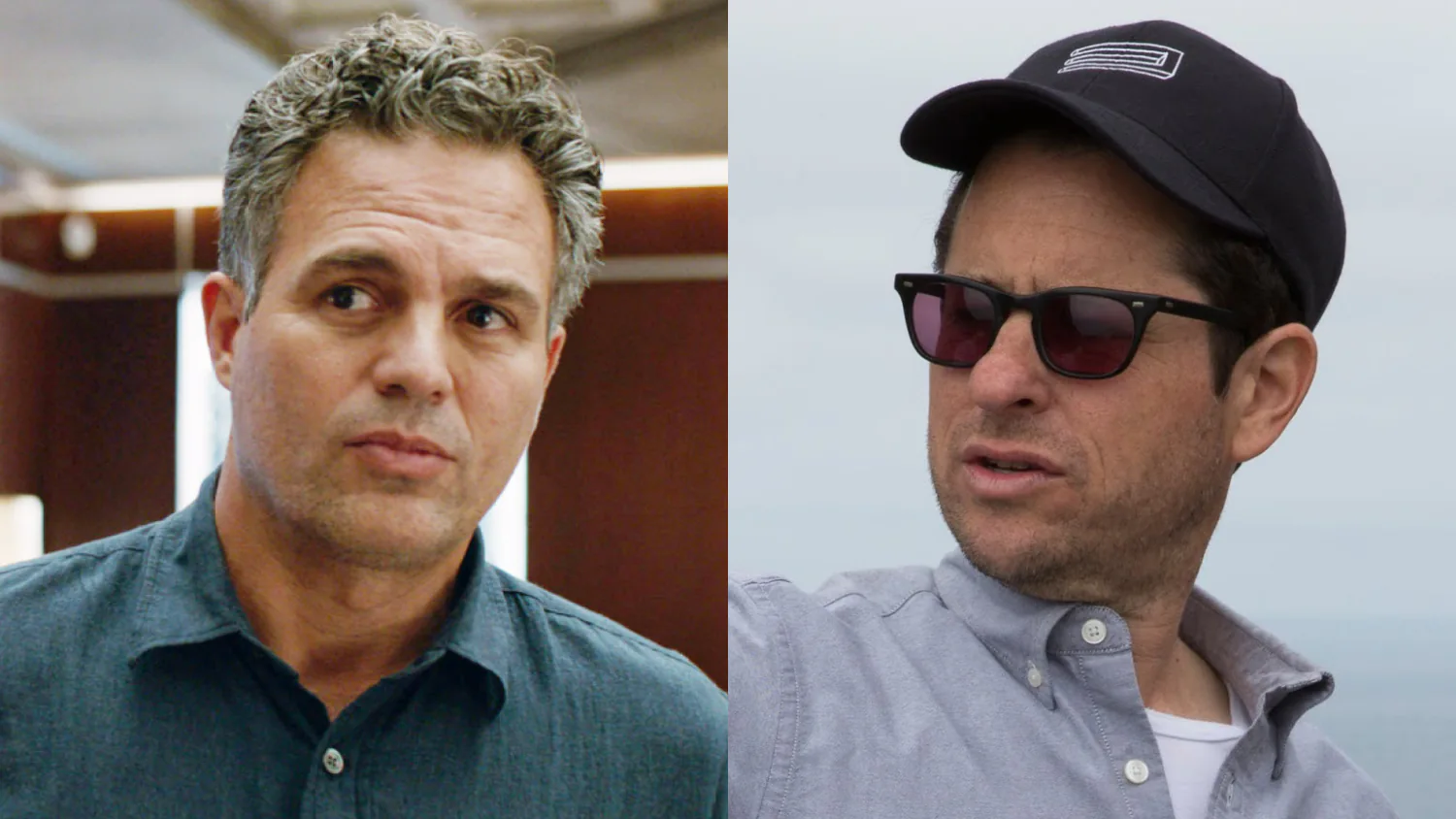
The hypocrisy gets hard to ignore with some of these names. J.J. Abrams is a prime example, as he signed the letter after cashing in on one of the most lavish studio deals of the streaming era, a Warner pact reported in the range of $250 million to $500 million that delivered nowhere near the output to justify it. Now Bad Robot is downsizing, moving to NY, and Abrams is suddenly an activist for “protecting” an industry that paid him handsomely for very little. When one of the biggest beneficiaries of old-Hollywood overpayment lectures everyone else about what’s good for the business, it’s hard to take the campaign at face value.
Mark Ruffalo Fights Consolidation — From Inside Disney
Ruffalo has been one of the loudest names attached to the effort, co-writing an op-ed with Stoller and claiming some stars were afraid to speak out against Paramount because they feared blacklisting. Sen. Cory Booker also convened a “spotlight” forum — an unofficial event Booker said drew none of his Republican colleagues — where Ruffalo testified against the merger by video.
That makes him an odd spokesman for the anti-consolidation cause. He’s one of the longtime faces of the Marvel Cinematic Universe — Disney’s globe-spanning, vertically integrated franchise machine, the single most consolidated operation in modern Hollywood — and he’s confirmed to return as the Hulk this summer in Spider-Man: Brand New Day, with a future Avengers appearance even possible. A leading man for the most concentrated studio on Earth warning the public about the dangers of studio concentration is a hard circle to square.
The Politics Were Always There
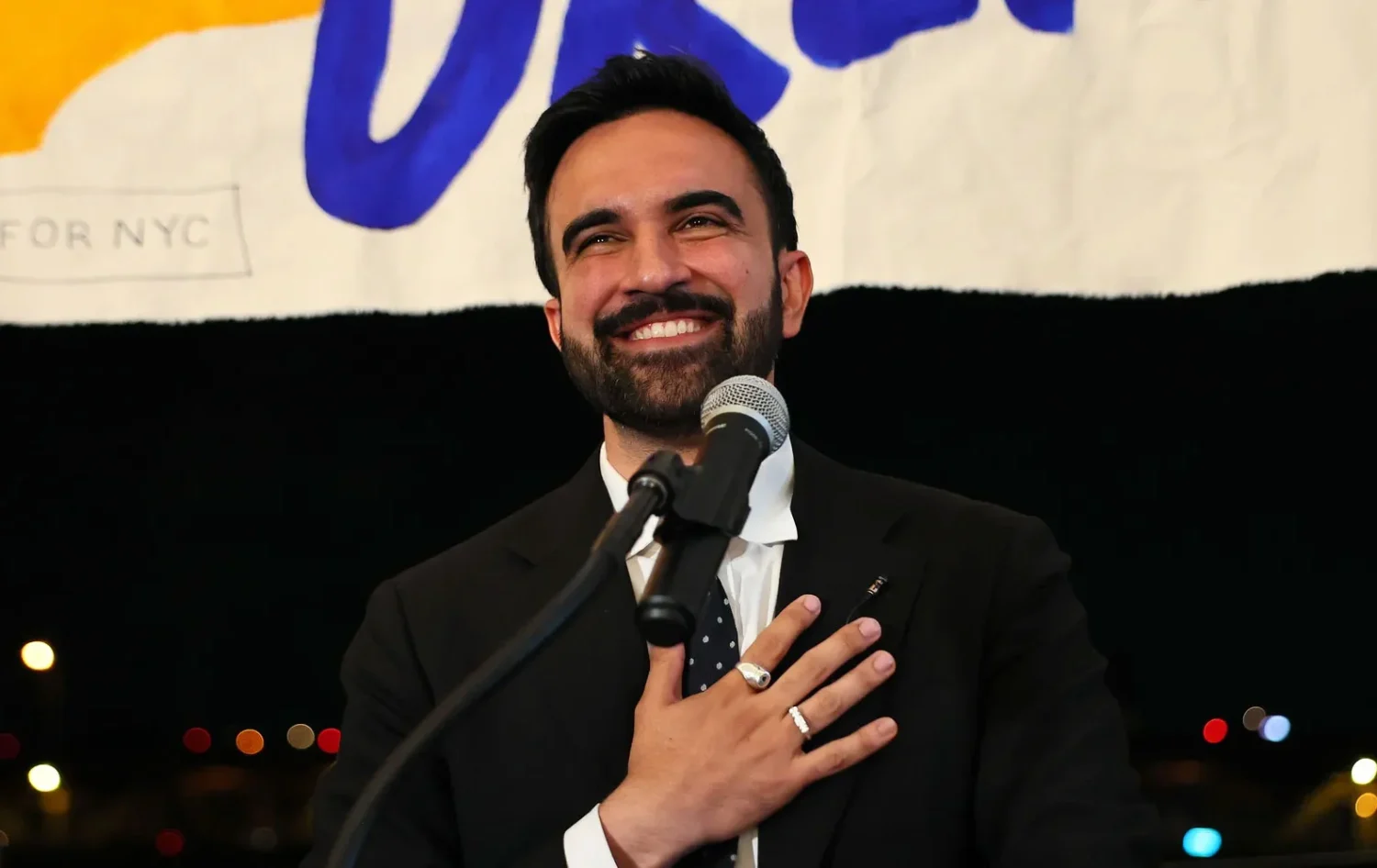
On the political side, democratic socialist New York Mayor Zohran Mamdani has come out against the deal, warning about jobs and streaming prices, while other progressive politicians have aligned with the campaign. The Post also reports the campaign’s first Los Angeles event drew a modest crowd and ended with “free Palestine” chants.
That is a long way from the clean image of laid-off grips, electricians, and production workers fighting for their jobs. The labor concerns may be real, but the campaign around them is clearly much bigger and much more political than advertised.
The Real Fight Is With The State AGs
The activism gets the attention, but the real threat to the Paramount-WBD deal is legal.
Reuters reported that California, New York, and other states are preparing a potential lawsuit to block Paramount’s $110 billion acquisition of Warner Bros. Discovery. California Attorney General Rob Bonta has been reviewing the deal and has said his office has a role in protecting Hollywood jobs.
Reuters also reported that a lawsuit could be filed in the coming weeks. Bonta has said there is not much time left if California decides to act, with federal and European regulators also moving toward decisions.
That is why the Block the Merger campaign matters. Its own letter thanks Bonta and other state attorneys general for scrutinizing the deal and says supporters stand ready to back efforts to block it. In other words, the activist campaign is not separate from the legal pressure. It is feeding it.
WBD shareholders already approved the sale to Paramount at $31 per share in April, but the deal still needs regulatory clearance. The companies have said they expect it to close between July and September if it gets through the remaining hurdles.
There Are Real Concerns, But The Spin Matters
To be fair, not every concern about this merger is fake. A Paramount-WBD combination would be massive. Critics argue it could reduce competition, raise prices, shrink output, and cost jobs. Those are fair questions for any media deal this size.
Paramount’s own COO and chief strategy officer, Andy Gordon, has also talked about billions in cuts, and workers have every reason to worry after years of Hollywood consolidation, layoffs, streaming chaos, and shrinking production slates.
The issue is not that there are zero legitimate concerns. The issue is the packaging. A campaign presented as an organic worker revolt looks a lot different once you see the nonprofit networks, activist groups, billionaire-backed funding streams, and political messaging behind it.
That context matters. It matters for readers. It matters for regulators. It matters for anyone trying to figure out how much of the outrage is about protecting Hollywood workers and how much of it is about stopping the Ellisons, Trump allies, and a Paramount-led Warner Bros. from taking shape.
I Said This Back In April
None of this should come as a shock if you have been following our coverage.
I laid out the political-motivation angle in April. We covered the insider chatter that Netflix’s involvement was about slowing Paramount down and driving up the price. Since then, Netflix has given everyone more reasons to be glad it lost. We also reported the brewing Hollywood-versus-Washington fight before it spilled fully into public view.
The New York Post report now backs up the throughline we have been pulling on for months: the fight over Warner Bros. Discovery was never just a business story.
It is political, it is ideological, and now we have a much better idea who is helping pay for it.