Warner Bros. has a Batman problem, and this time it has nothing to do with release dates.
A federal judge has given the green light to a lawsuit accusing the studio of using a bogus copyright takedown to “squelch” a negative review of The Batman, and instead of quietly making it go away, Warner Bros. has responded by countersuing the YouTuber over a movie poster and a couple of screenshots.
You read that right: one of the biggest studios in Hollywood is now in federal court litigating against a single YouTube reviewer in a case that started with a claim for less than $20,000.
The lawsuit lands as production on the sequel is visibly ramping up, with set footage already emerging from Liverpool where crews are building out Gotham City locations.
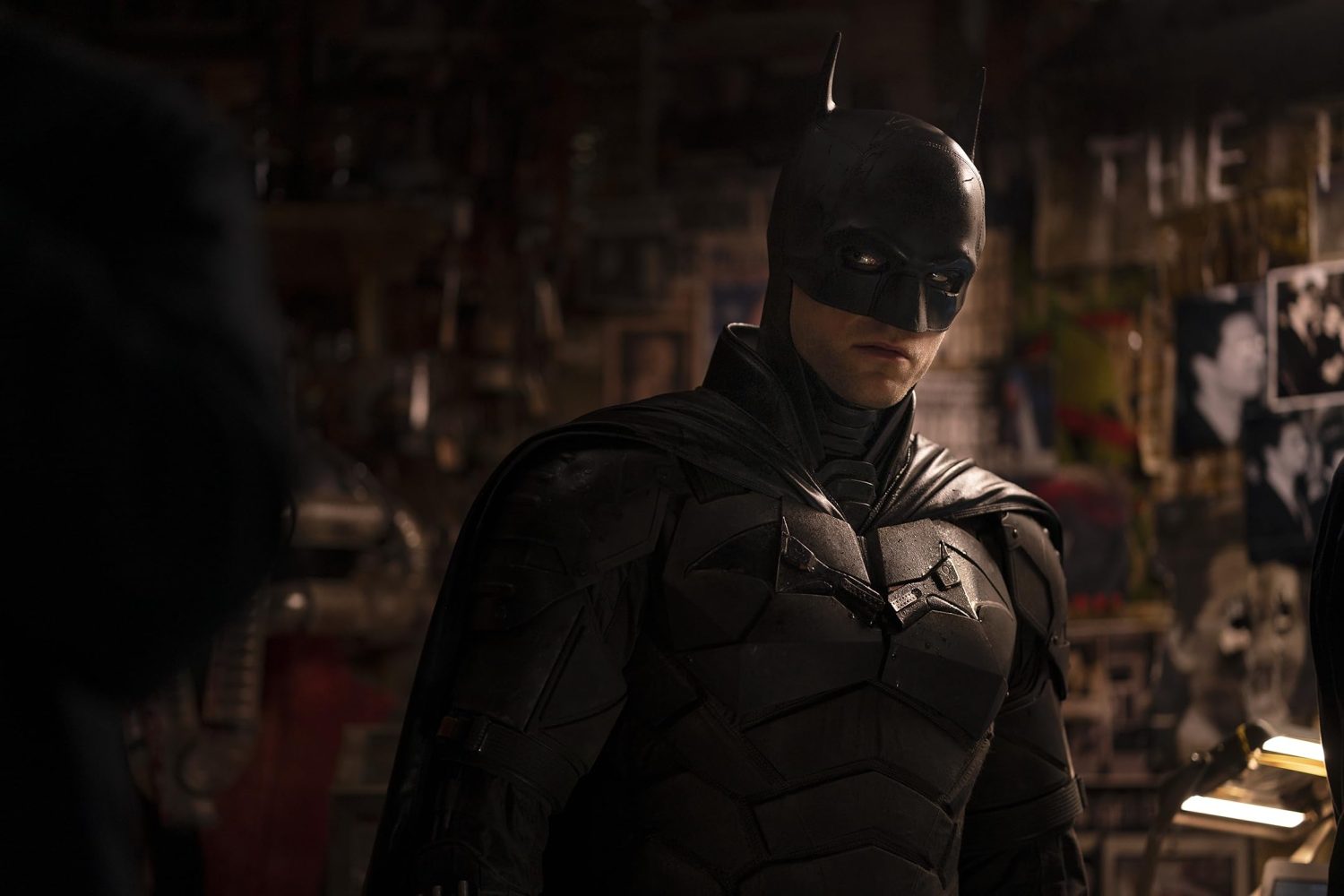
Warner Bros. accused of taking down a Batman review in three hours
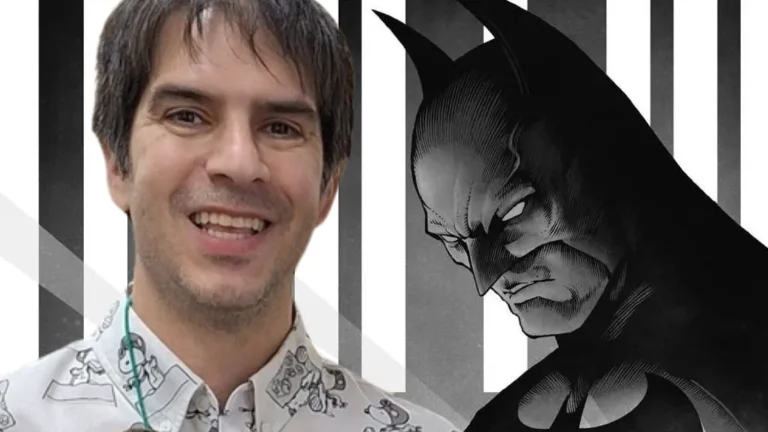
The plaintiff is Andrew Sosa, who posted a video review of The Batman on YouTube back in 2022.
According to Puck News, which first flagged the case, Sosa alleges Warner Bros. hit the video with a copyright takedown notice just three hours after it was uploaded, despite the review using very little actual footage from the movie.
That speed, he argues, is evidence the studio never meaningfully considered fair use before pulling the trigger, which the Digital Millennium Copyright Act requires. He also alleges Warner Bros. has a habit of using takedown notices to bury negative reviews.
Those are his allegations, not court findings, but on May 5, U.S. District Judge William Orrick ruled they were plausible enough for Sosa’s DMCA claim to move forward, denying Warner Bros.’ bid to kill the case.
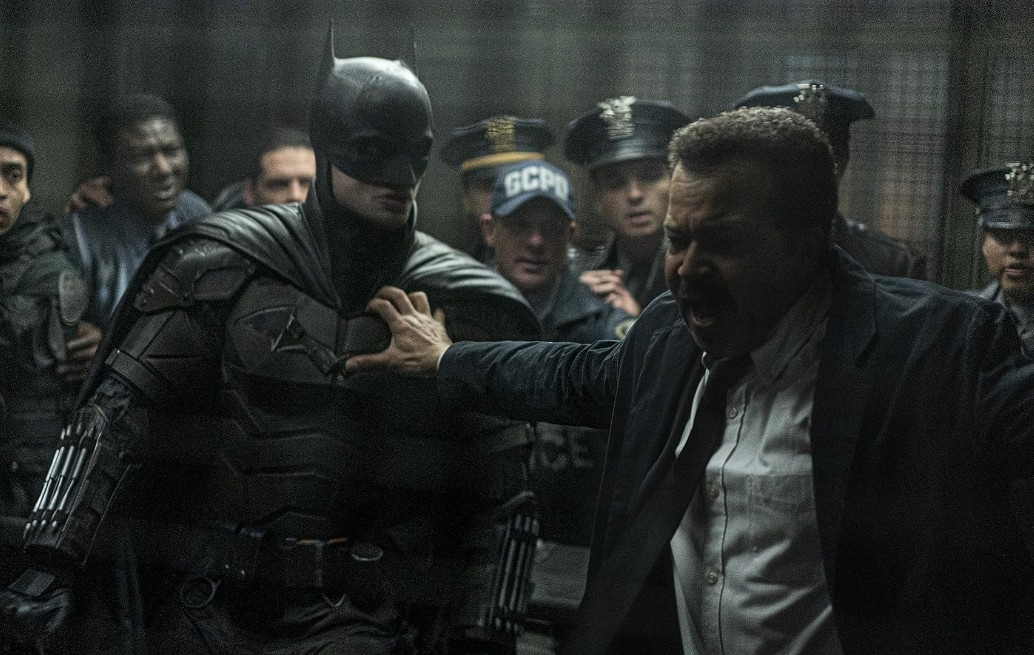
The spoiler email at the center of the case
Court filings reveal a wilder wrinkle than the headline suggests.
According to Sosa’s complaint, after the takedown he emailed asking for help, noting his channel was being hurt, and a marketing contact he says was working on Warner’s behalf replied, “If you had spoilers, then yes it would [sic] taken away.”
In other words, Sosa alleges the real reason his review got nuked wasn’t copyright infringement at all — it was spoilers — dressed up as a copyright claim. Spoilers, as his complaint points out, aren’t copyright infringement.
Warner Bros. disputes that reading, arguing the email came days after the takedown and can’t show what the studio believed when it sent the notice, and the court noted the studio doesn’t concede the person who sent it was even its agent.
Notably, Warner Bros. later withdrew the takedown notice, according to the court record, and Sosa’s video was reinstated, though he claims the reinstatement was slow and the video never recovered the algorithmic standing it would have had if it hadn’t been taken down in the first place.
The takedown notice nobody has actually seen
Here’s the detail that should make Warner Bros. squirm.
In an earlier ruling in the case, Judge Orrick pointed out that neither side had produced the actual DMCA takedown notice, and that Warner Bros.’ own lawyers admitted at a hearing that they had never seen it. The studio spent months arguing about a copyright notice that, as far as the court could tell, nobody in the room had read.
Sosa nearly lost the case at that stage. He initially filed the lawsuit himself in Texas, without a lawyer, originally seeking $19,999 split between Warner Bros. and Google/YouTube for the income he claims the video could have earned.
The studio and Google got the case transferred to federal court in Northern California — where an attorney came aboard for Sosa — and last December, Orrick tossed YouTube from the case entirely, threw out Sosa’s unfair competition claims, and dismissed his DMCA claim while giving him “one last attempt” to amend it.
Sosa took that last swing and connected. His amended claim under Section 512(f) of the DMCA — the provision that allows damages against copyright owners who knowingly misrepresent infringement in a takedown notice — is the one now headed deeper into litigation.

Warner Bros. fires back — over a movie poster
Having lost its motion to dismiss, Warner Bros. has now filed a counterclaim against Sosa.
Its theory? That his review infringed the studio’s copyrights because it displayed an official promotional poster for The Batman and a couple of screenshots without permission.
Using a promotional poster and a handful of stills in a movie review gives Sosa an obvious fair-use argument: criticism and commentary sit at the very center of the doctrine; the amount used was minimal; and a review is no substitute for watching the movie.
Fair use is always decided case by case, and that fight is still ahead, but Warner Bros. would be swimming against decades of precedent here. Studios distribute promotional posters precisely so people will talk about their films; apparently, the deal is off if you say the wrong things.
Even Puck News legal correspondent Eriq Gardner, who surfaced the filing, called the counterclaim “not terribly impressive.”
The optics are worse: a studio accused of silencing a critic responding by suing the critic.
The “dancing baby” case looms over all of this
Cases like Sosa’s are rare because the DMCA’s penalty for false takedowns has almost never been successfully enforced.
The most famous attempt was the “dancing baby” case — Lenz v. Universal — where a mother sued Universal Music after it took down a 29-second clip of her toddler dancing to Prince’s “Let’s Go Crazy.”
After roughly a decade of litigation, a federal appeals court held that copyright owners must consider fair use before sending takedown notices, though it left wiggle room for algorithms to do some of that work.
The catch, and the mountain Sosa still has to climb: courts have made clear that merely failing to consider fair use isn’t enough. A plaintiff has to show the copyright owner subjectively knew the content wasn’t infringing when it sent the notice, a brutally high bar that has sunk nearly every case like this one.
That said, this isn’t the first time Warner’s takedown machine has drawn fire.
Back in the Hotfile litigation in the early 2010s, the Electronic Frontier Foundation accused the studio of blasting out automated takedown notices with no human review, and said Warner had acknowledged its software sent notices in error.
The accusation that Warner’s copyright enforcement runs on autopilot is not a new one, and Judge Orrick has already signaled that allegations about the studio’s automated takedown processes are exactly the kind of facts that could support Sosa’s claim.

Why this matters beyond one YouTuber
For every creator who has ever eaten a copyright strike over a review, reaction, or commentary video, this case is the rare one that actually tests whether the DMCA’s anti-abuse provision has teeth.
If Sosa’s claim survives into discovery, Warner Bros. could be forced to reveal exactly how its takedown process works, including whether a human being ever looks at a video before it gets flagged.
The timing isn’t great for the studio, either.
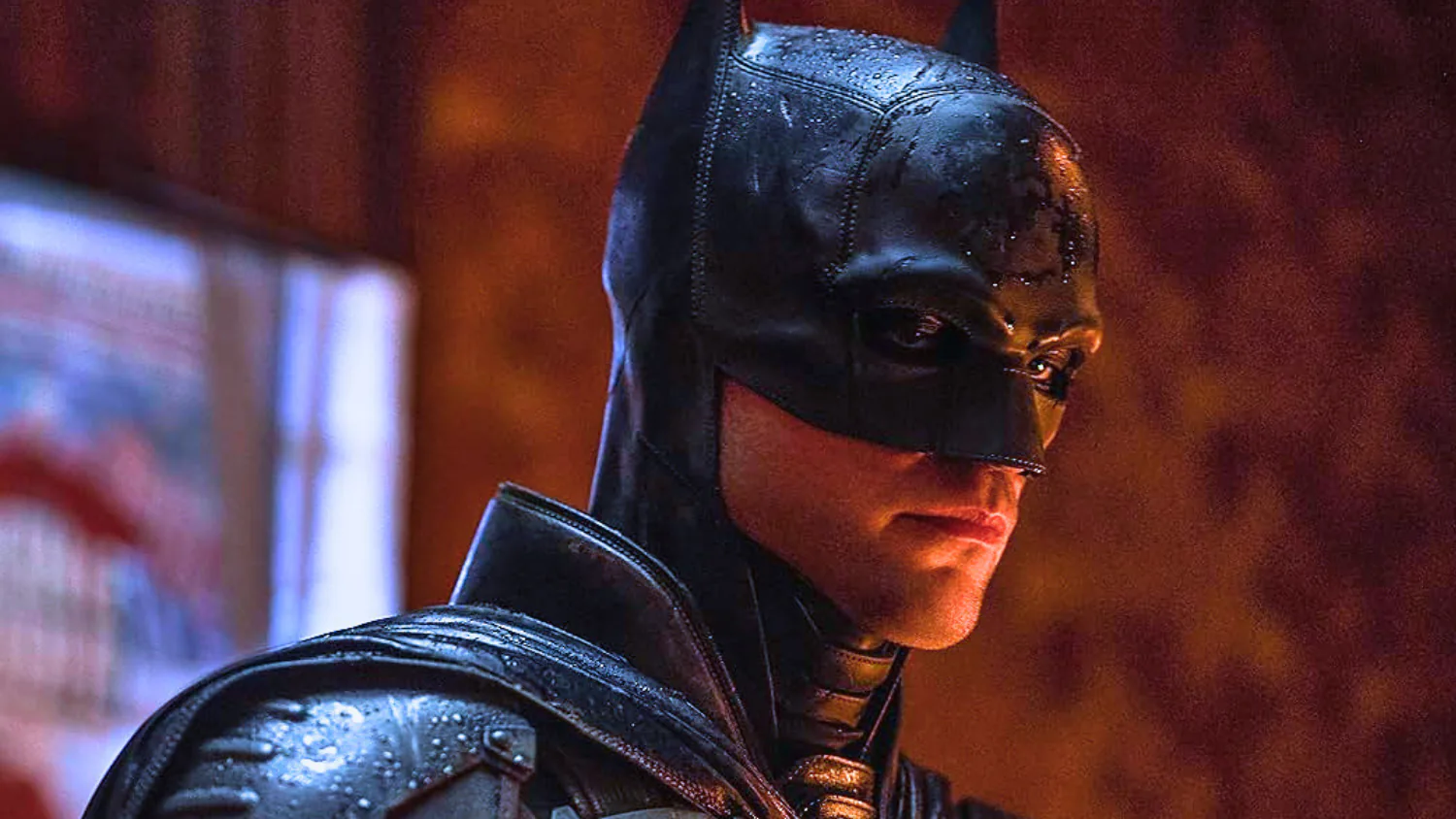
Warner Bros. is gearing up for The Batman Part II, which hits theaters October 1, 2027, meaning a fresh wave of YouTube reviews of a Matt Reeves Batman movie is coming, right as the studio litigates whether it wrongfully torched one from the last batch.
And with the Paramount acquisition saga already putting Warner Bros.’ corporate conduct under a microscope, “studio sues lone YouTube critic over a movie poster” is not the headline anyone in Burbank wanted.
Worth noting the limits here: the damages at stake are modest, and surviving a motion to dismiss is a long way from winning. But the precedent — and the discovery — is where the real stakes live.
We’ll keep tracking the case as Warner Bros.’ counterclaim and Sosa’s DMCA claim move forward.