Mortal Kombat II may have a Johnny Cage problem.
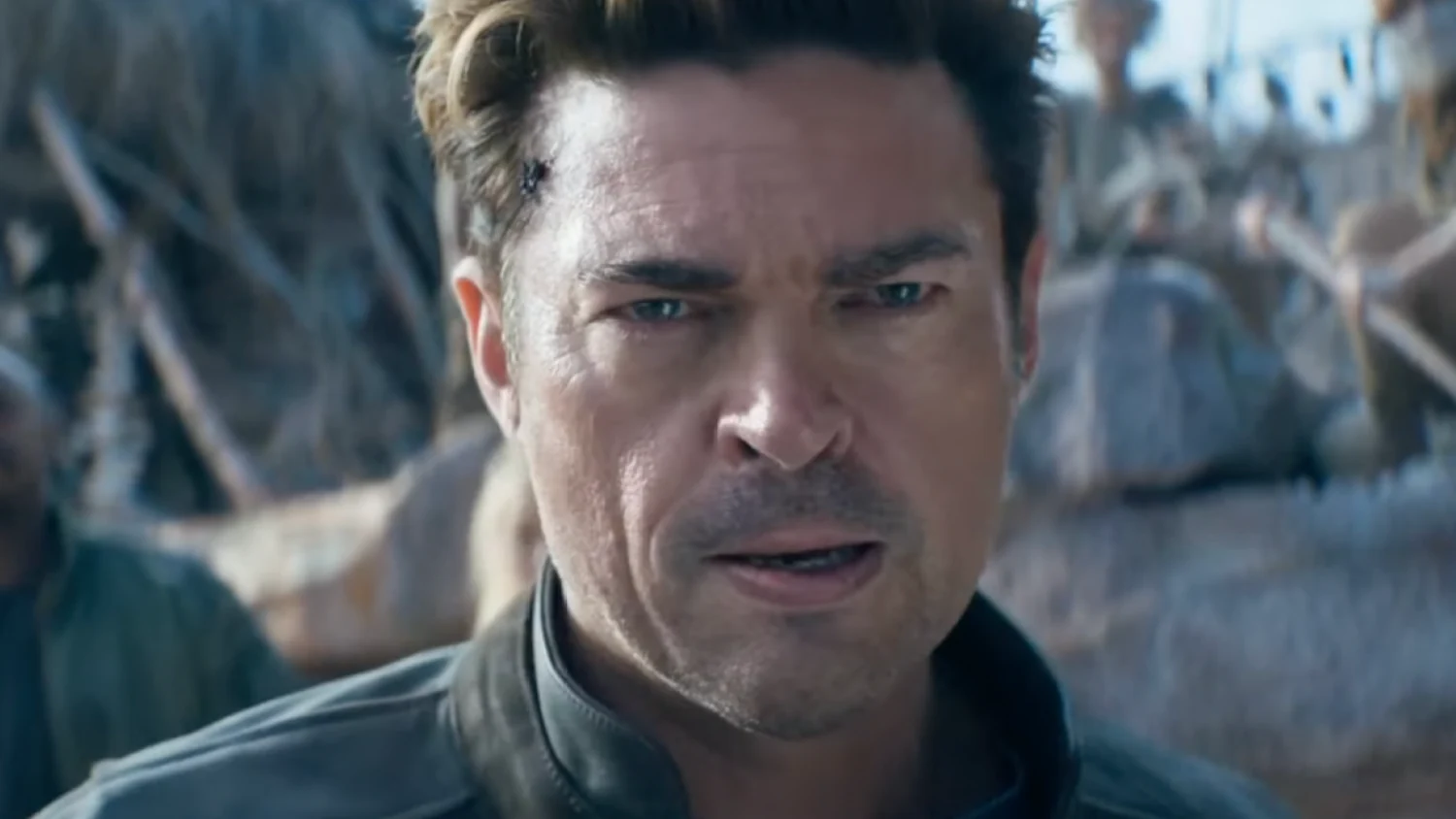
The sequel was supposed to get a boost from Karl Urban joining the franchise as the fan-favorite Hollywood fighter.
Instead, the movie is not doing as well as expected at the box office, and the opening-night audience data raises a big question: Did the new take on Johnny Cage miss the mark?
Urban was billed as the lead star of Mortal Kombat II, but the movie’s audience looks more like the core Mortal Kombat crowd than a broader breakout. The sequel skewed heavily male at 75%, with 18-34 making up 44% of the audience. The biggest age group was 25-34 at 30%.
The diversity breakdown is also interesting. Latino and Hispanic moviegoers made up 29% of the audience, followed by Caucasian at 27%, Black moviegoers at 26%, and Asian Americans at 10%.
For a movie built around Karl Urban’s Johnny Cage, those numbers suggest the franchise brand did more of the heavy lifting than the star.
Karl Urban’s Johnny Cage Gamble
Karl Urban clearly has a fanbase. The Boys final episode 4DX screenings have sold out, showing there is interest in seeing Urban on the big screen when fans connect him to the role.
Mortal Kombat II appears to be a different story.
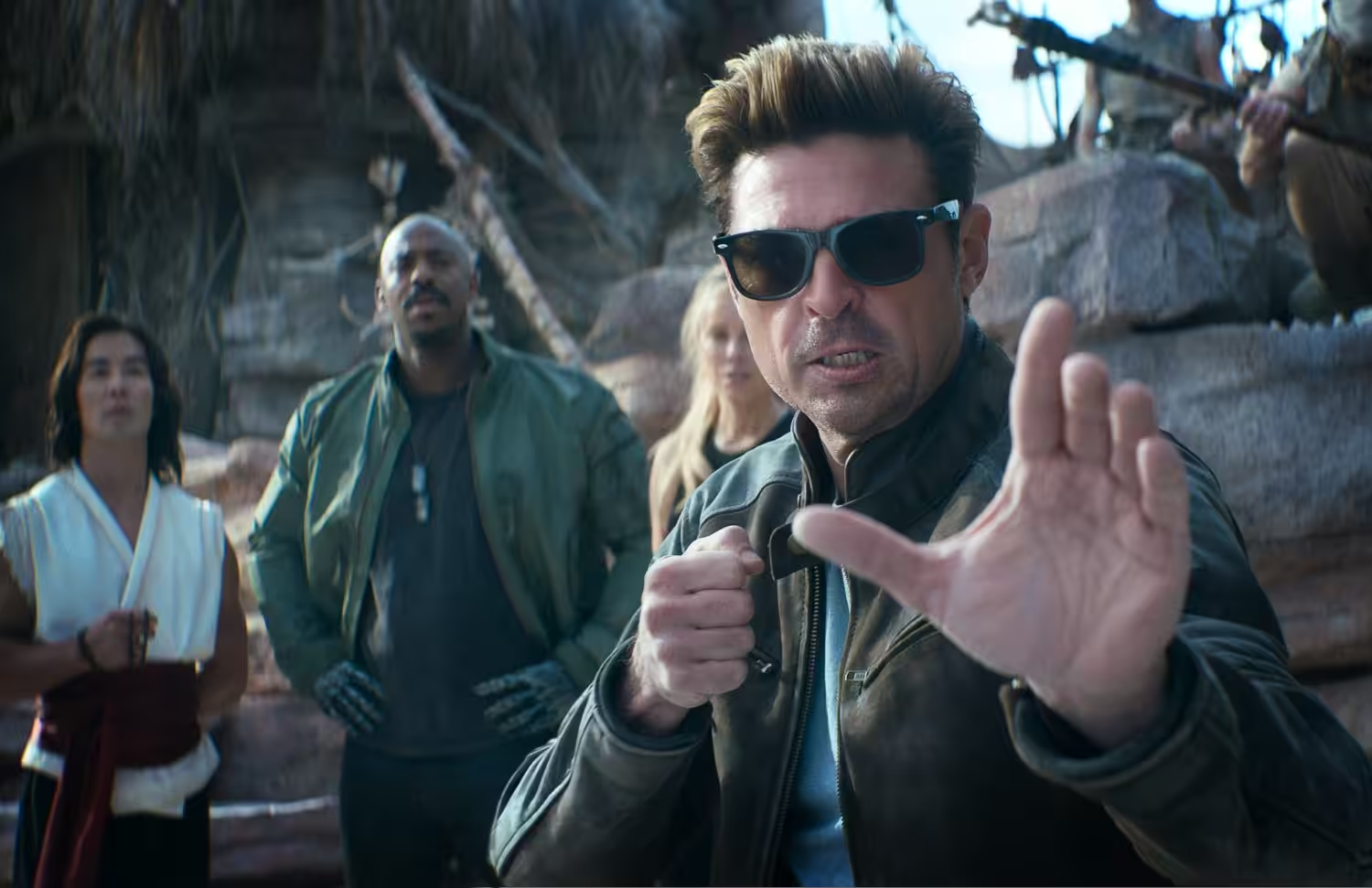
Urban plays Johnny Cage, one of the most popular characters from the games. Cage is best known as a cocky Hollywood martial arts star. He is arrogant, flashy, ridiculous, and funny, but he is also supposed to be cool. He is not just a joke. He’s not a quitter. He is a celebrity fighter who wants to prove his skills are real.
The movie takes a different route. Mortal Kombat II presents Cage as an older, washed-up actor trying to prove himself again — but the kicker is only when forced to.
Maybe the idea was to give Johnny Cage more of an arc and use Karl Urban to connect Mortal Kombat with a newer, less familiar audience. But the opening numbers suggest that the audience may not have shown up, so that’s a waste of Urban as the character. Worse, the change may have undercut what longtime fans wanted from Johnny Cage in the first place.
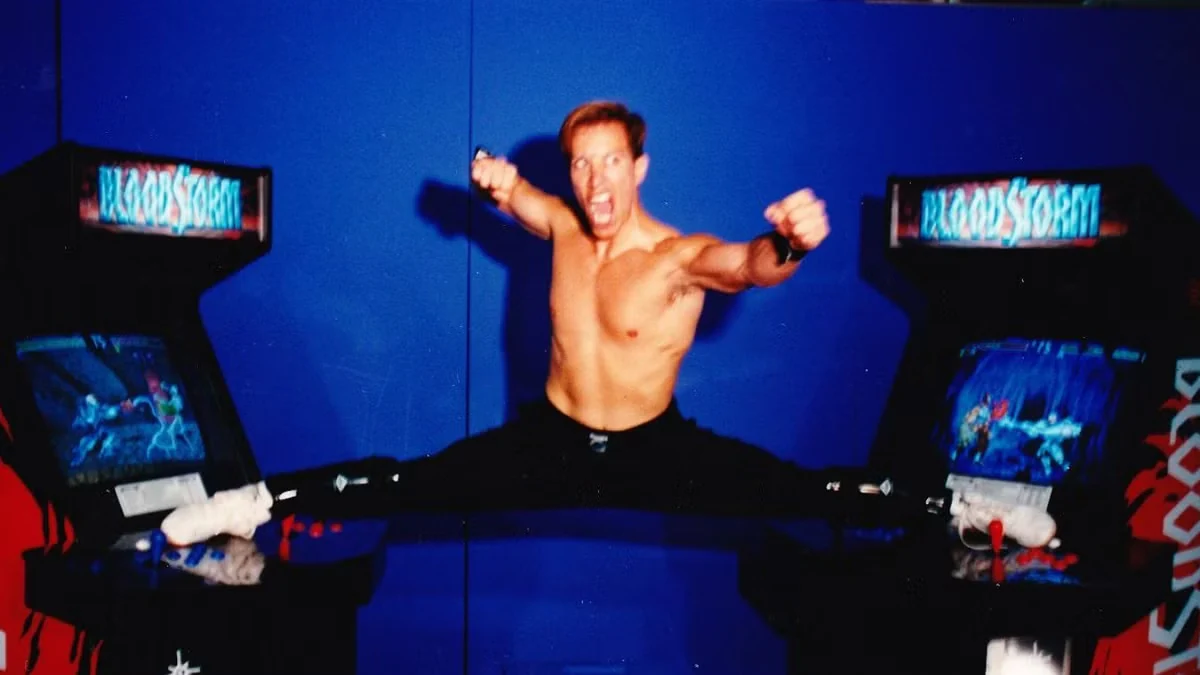
Fans May Have Wanted Classic Johnny Cage
The issue may not be Karl Urban himself. The issue may be the version of Johnny Cage.
Fans already had to wait through the first reboot without Cage. Mortal Kombat II finally brings him in, but instead of getting the younger, flashy, prime-era Hollywood action star, the sequel gives audiences an older, comeback, loser version of the character.
Johnny Cage is supposed to be ridiculous, but he is also supposed to have swagger. Turning him into a washed-up loser no one visits at comic cons may have pushed the character too far away from his original appeal.
The decision also lines up with Mortal Kombat 1, the 2023 video game reboot, which also moved Johnny Cage closer to struggling-actor territory. While there is no confirmation that the game was changed for the movie, the timing is interesting. Both versions appear to push Cage away from the classic take and toward a humbled Hollywood has-been version. It’s entirely possible they made the game to sync with the movie.
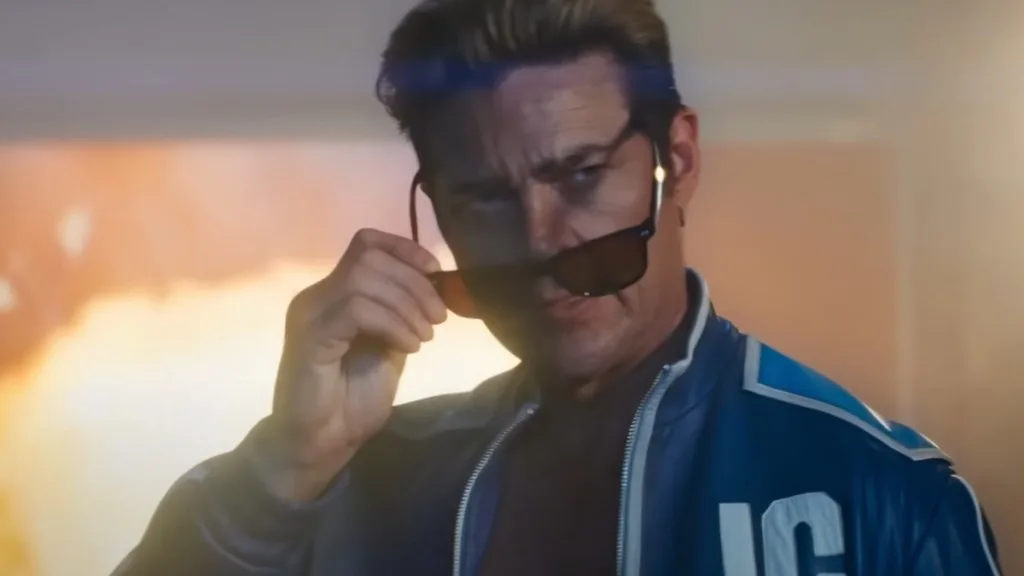
Audience Scores Tell A Mixed Story
Mortal Kombat II earned a B CinemaScore, which is lower than the first movie’s B+. CinemaScore measures audience reaction from people who actually saw a movie in theaters on opening night.
A “B” is not a disaster, especially for an R-rated action movie, but it is soft for a fan-driven sequel. The first Mortal Kombat released during the pandemic and HBO Max day-and-date era, yet still managed a better CinemaScore.
Screen Engine/Comscore’s PostTrak number is more positive, with a strong 72% definite recommend. PostTrak is another moviegoer exit-poll service, similar to CinemaScore, but more detailed.
So the movie is not being rejected across the board. The data suggests a split reaction. The fans who liked it may be recommending it, but the overall opening-night grade points to a movie that did not fully land with everyone who showed up.
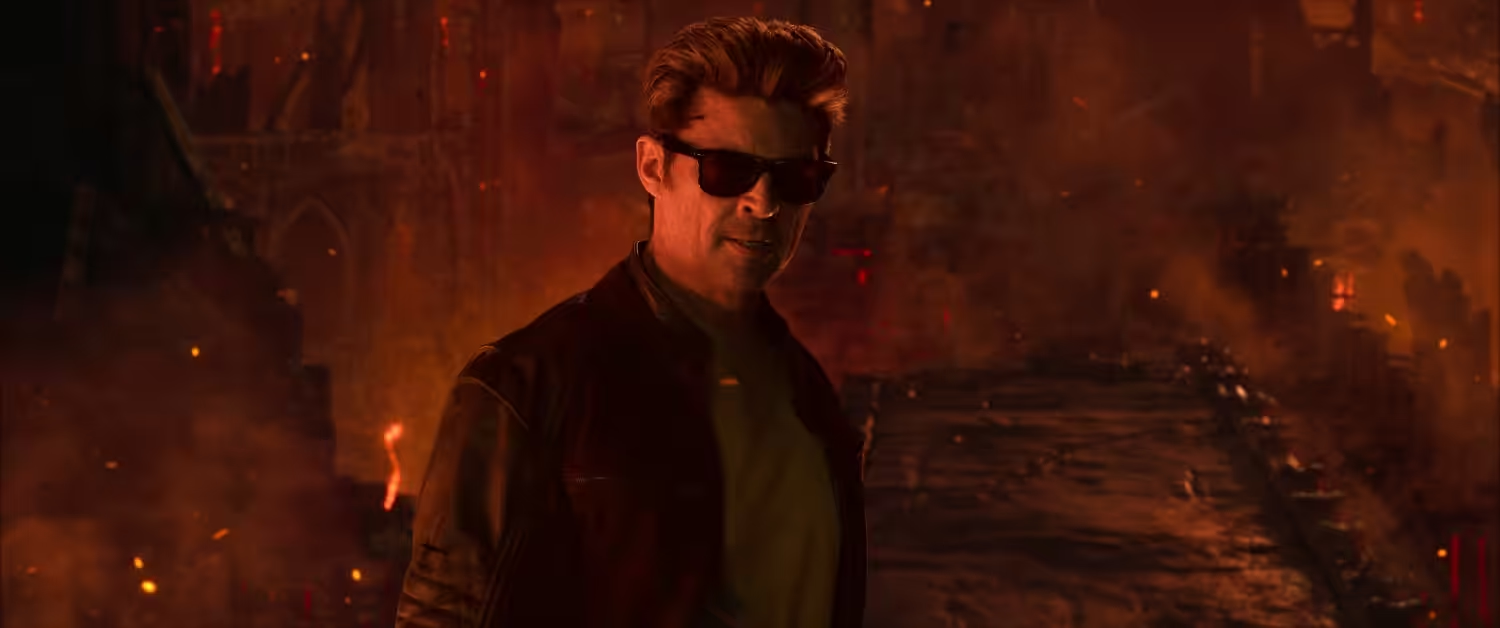
Mortal Kombat II Looks Like A Core Fanbase Movie
The bigger problem is the ceiling.
The sequel’s audience was 75% male, which shows Mortal Kombat II is still playing mainly to the expected crowd: dudes, gamers, action fans, and long-time Mortal Kombat players.
The diversity numbers are strong, with Latino/Hispanic, Caucasian, and Black moviegoers all closely grouped. But the movie does not appear to have expanded far beyond the core audience.
Compare that with Uncharted, another video game adaptation. Its audience was 58% male, with 18-34 making up 62% of the crowd. Uncharted also played more Caucasian at 57%, with Latino and Hispanic at 20%, Black at 11%, and Asian/Other at 12%.
Mortal Kombat II is more diverse, but much more male-heavy and less broadly appealing. Interestingly, they are both opening with around the same numbers, in the $40Ms, assuming MK can hold the weekend.
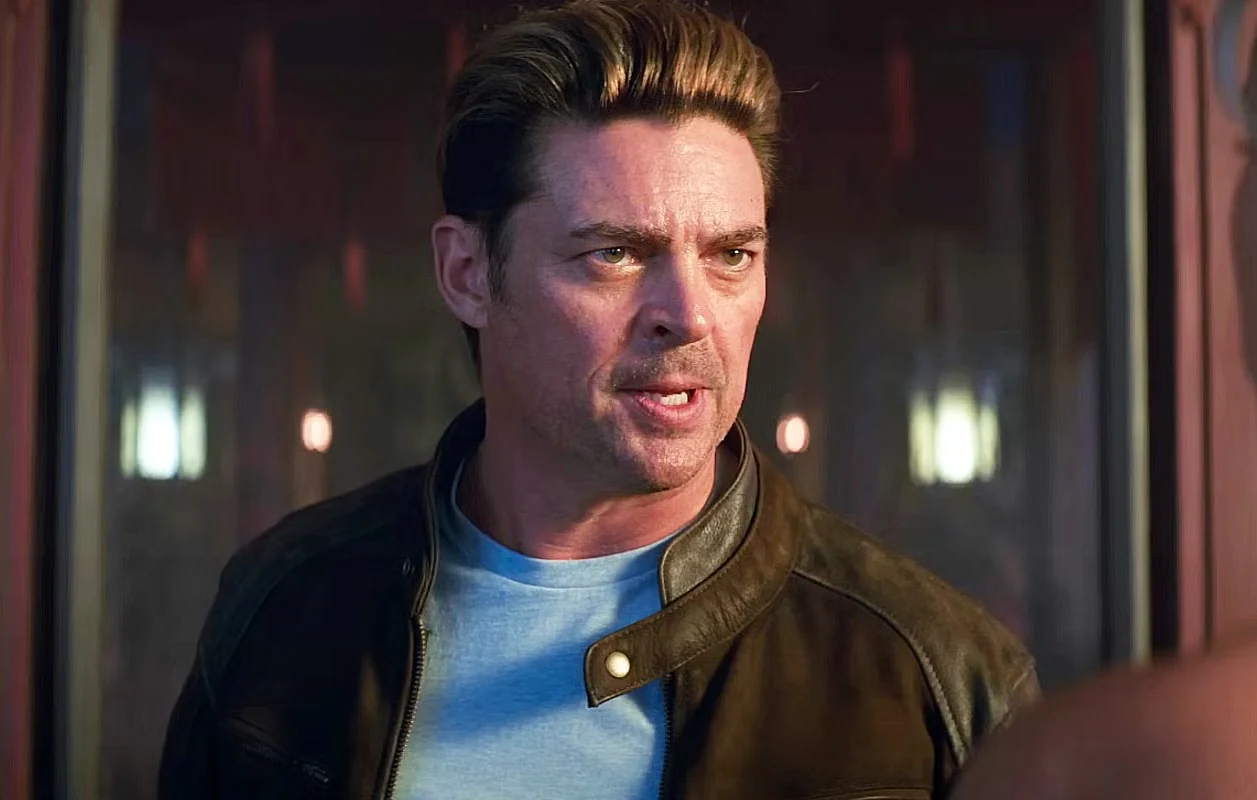
Did Johnny Cage Backfire?
Karl Urban’s Johnny Cage was supposed to be the sequel’s big hook. Instead, the audience data suggests Mortal Kombat II is still being sold mostly on the brand.
Maybe fans did not reject Urban. Maybe they rejected the idea of Johnny Cage as an older, washed-up loser.
The Mortal Kombat games have changed Cage over time, but the classic version remains the one many fans know: a cocky Hollywood martial artist with ego, jokes, sunglasses, and a real fighting skillset underneath the act.
Mortal Kombat II may have tried to give him a redemption story. The problem is that fans may have wanted Johnny Cage to arrive already feeling like Johnny Cage, not five minutes at the end.