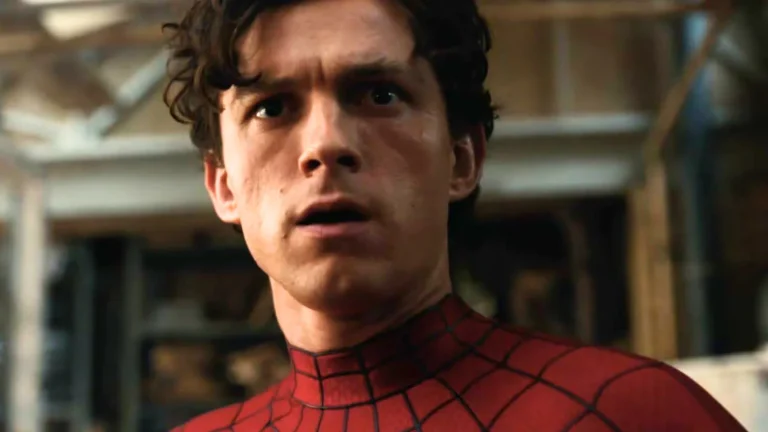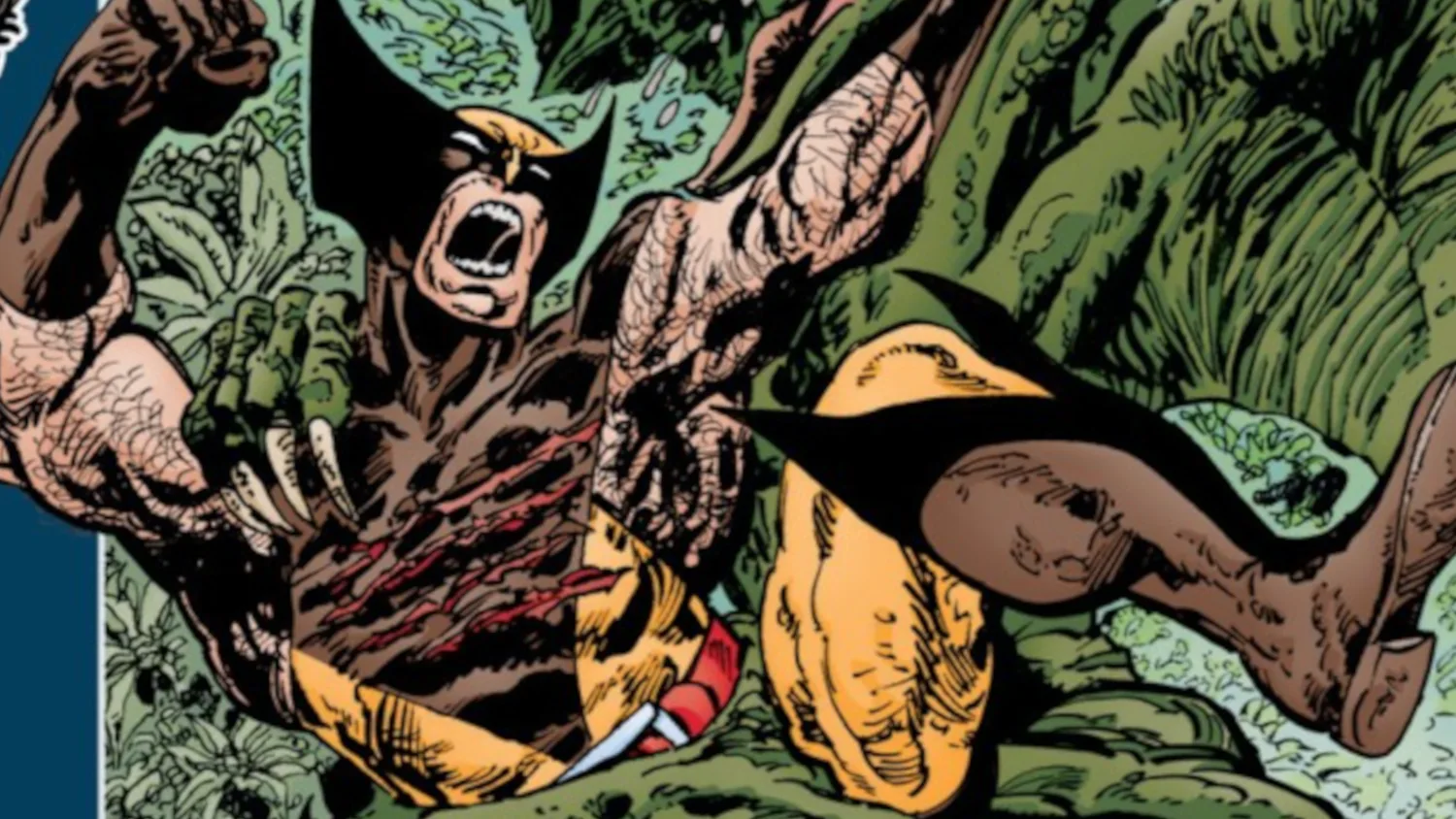
Following Disney’s latest round of cuts and restructuring at Marvel, including the elimination of Marvel’s visual development team and the exit of legendary artist Andy Park, I reached out to ask what is happening on the publishing side.
What I’m hearing is that Marvel Comics may be the next piece Disney steps back from.
Insiders tell me Disney is “less interested in publishing” and is looking more at licensing out Marvel Comics rather than producing them in house the way it has for decades.
Marvel Comics Moving Toward Licensing, Not Publishing
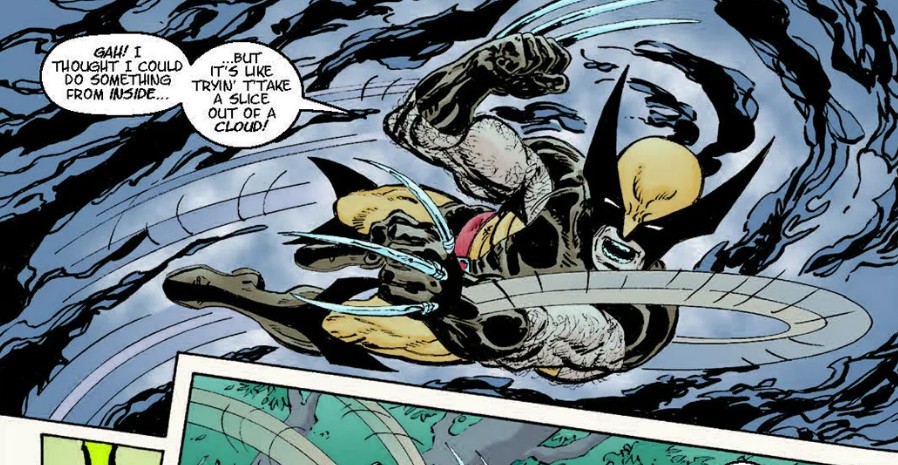
As an example of where things may be headed, insiders pointed to X-Men: Elsewhen, John Byrne’s return to the characters he helped make famous.
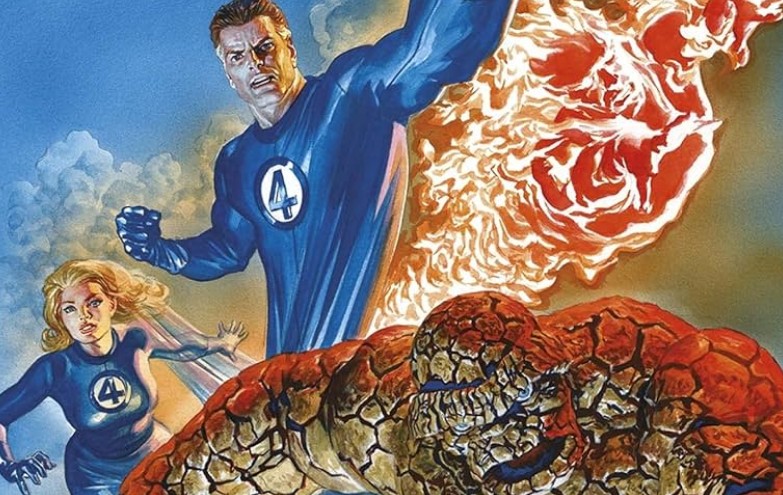
That book is not being published by Marvel. It is being released by Abrams ComicArts under license from Marvel, as part of the publisher’s Marvel Arts line. The same arrangement covers other recent titles, including Alex Ross’s Fantastic Four: Full Circle.
The point insiders are making is that Marvel looks increasingly content to license its characters out to other publishers rather than build the books itself. They said the same goes for Star Wars.
New Marvel Comics Leadership Comes From TV And Disney Music
The licensing chatter lines up with the leadership shakeup Marvel already made official. Kevin Feige put his head of TV and animation, Brad Winderbaum, in charge of comics, with longtime publisher Dan Buckley on his way out.
At the same time, Disney moved David Abdo, the former general manager of Disney Music Group, over to Marvel as general manager of comics and franchise. The two executives now steering Marvel’s publishing line come out of television and the music business, not comics.
Editor-in-chief C.B. Cebulski now reports to Winderbaum.
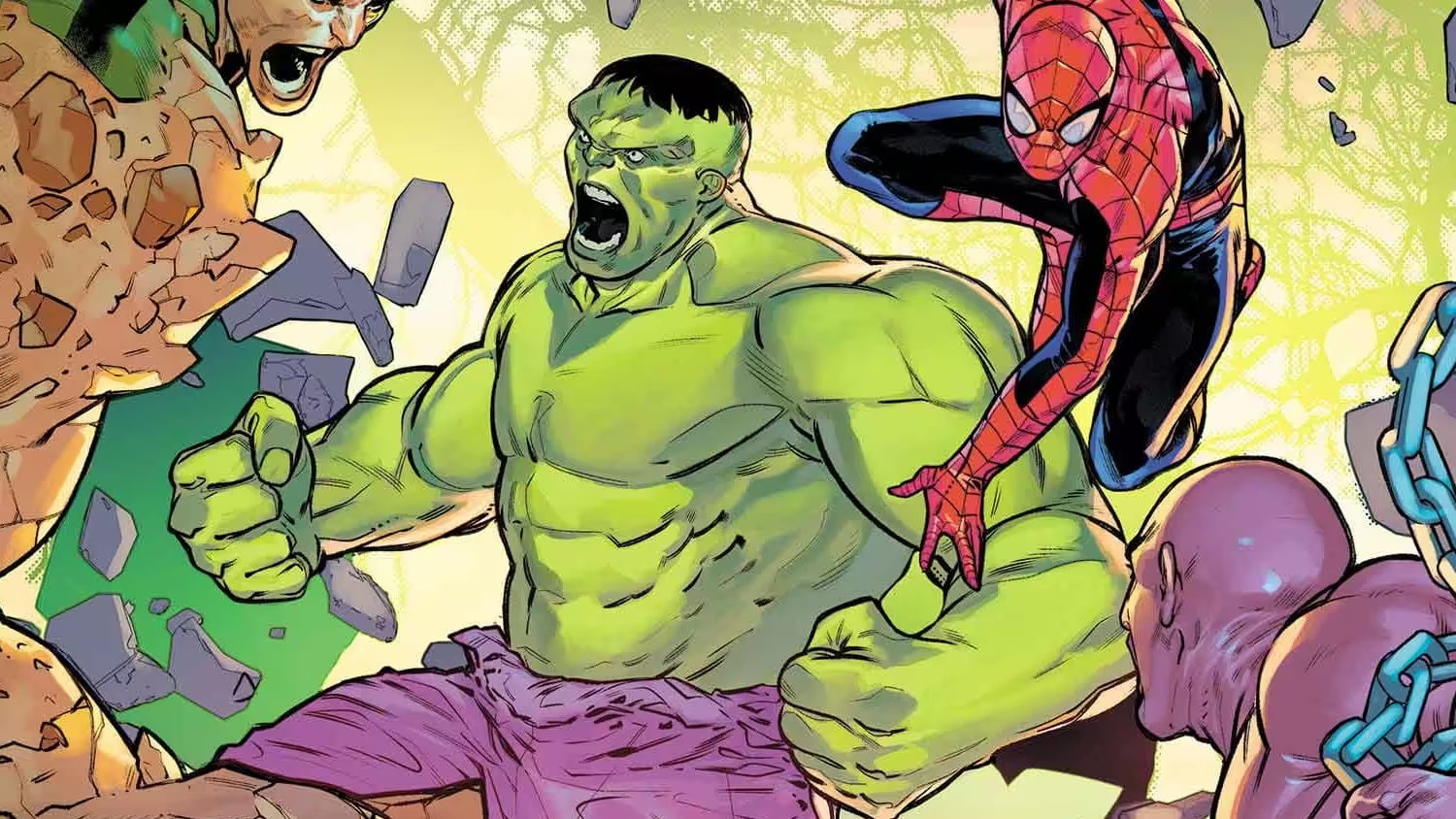
Comics Treated As A Content Farm For Movies And TV
None of this comes out of nowhere. Marvel Comics has increasingly been treated less like the foundation of the brand and more like a development engine for film and television.
Senior Marvel editor Tom Brevoort essentially confirmed that framing, describing the publishing line as the “tip of the spear” whose real job is to feed new ideas and stories to the film and animation side.
The problem is that the comics are supposed to be where these characters are built, tested, and kept alive. They are meant to be the source the movies draw from, not an afterthought.
The timing is rough, too. As reported around the leadership change, Marvel recently lost its spot as the top comics publisher for the first time this century, ceding the lead to DC and the runaway success of its Absolute line.
For more on how DC pulled ahead, see our breakdown of DC’s Absolute line topping Marvel and driving the Absolute Batman animated series.
If Disney really is less interested in publishing, Marvel loses another piece of what made it Marvel in the first place. It is one more sign of a company trying to squeeze more out of less while it looks elsewhere for its next big thing.
This is part of a larger restructuring at Disney. We covered the bigger picture in Disney prepping for the Paramount-WBD war by resetting its legacy IP and eyeing Lionsgate.