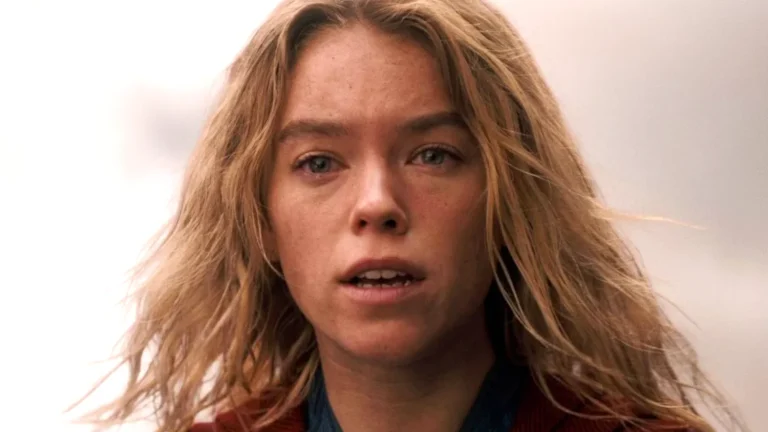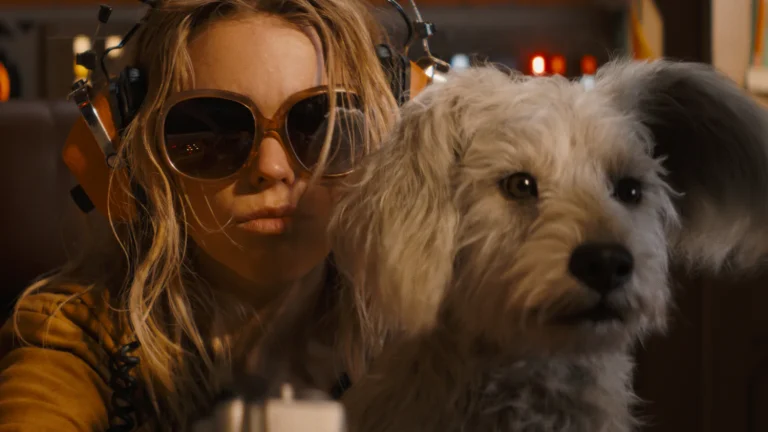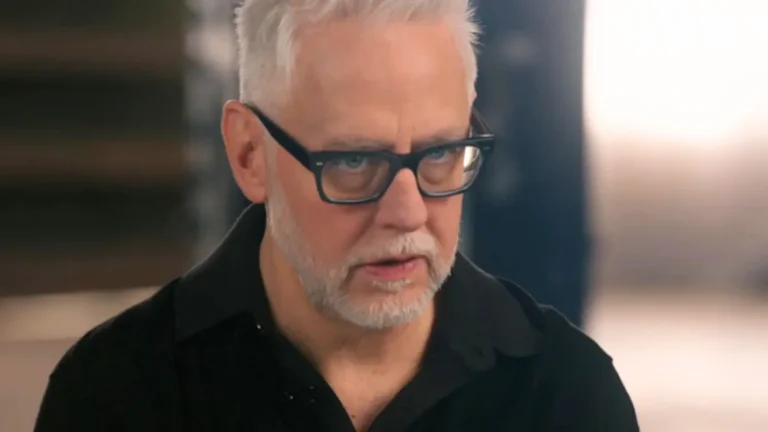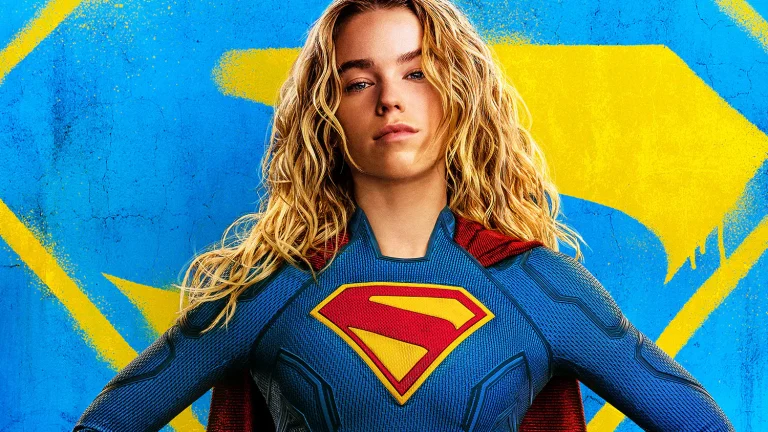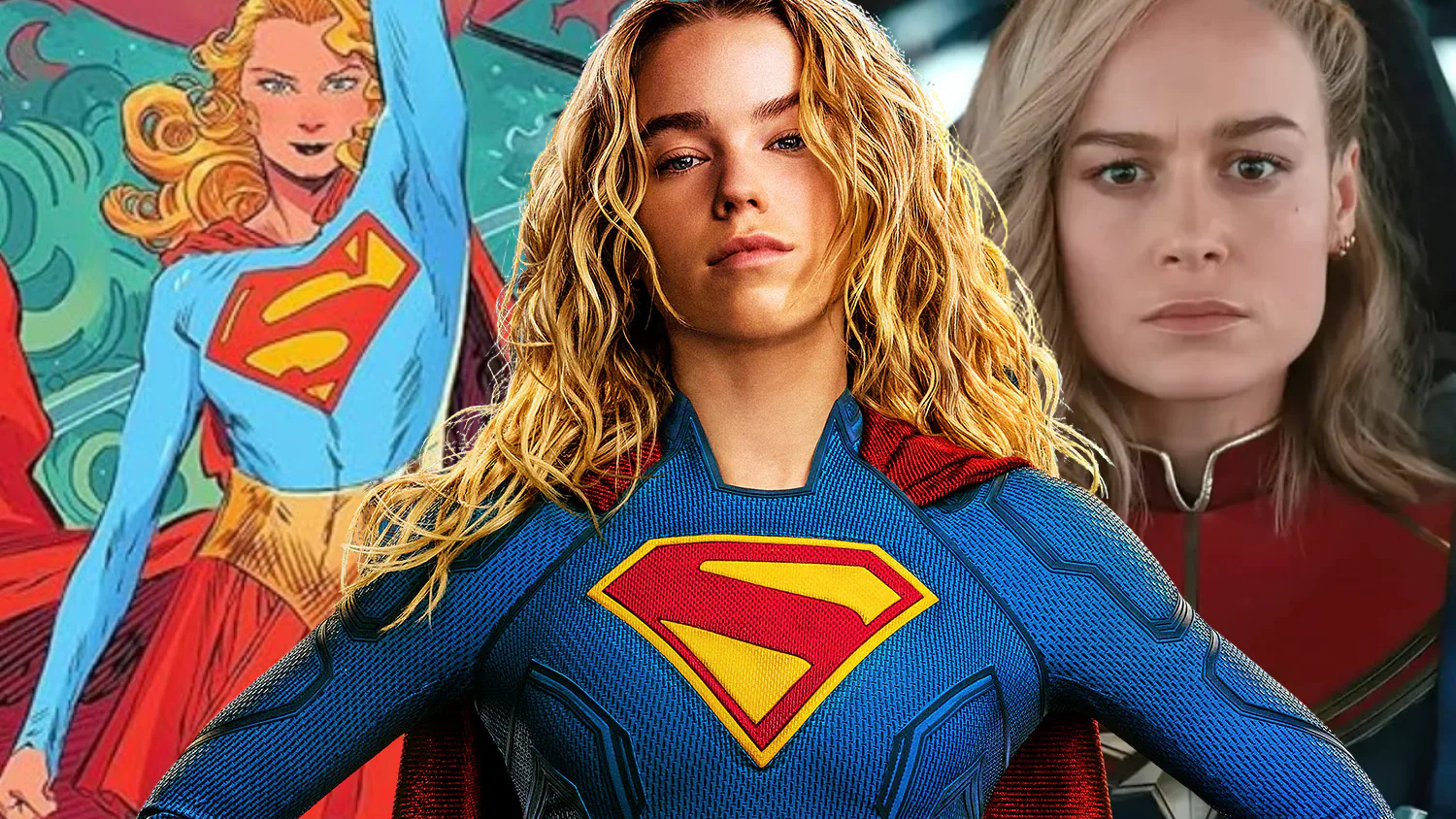
Supergirl came in at $37 million domestically and $62 million worldwide, a flop on a movie that cost $170 million or more to make.
The frustrating part for Warner Bros. and DC Studios is that, internally, none of this was a surprise.
They saw it coming. Here is what went wrong.
They knew it was in trouble
Long before opening weekend, the warning lights were on.
Word out of testing was that Supergirl played “good, not great,” which is a death sentence for a superhero movie in 2026.
Deadline reported that tracking services flagged the film, alongside the Masters of the Universe bomb and Universal’s Disclosure Day, as event movies with worryingly soft word-of-mouth heading into summer.
The presales said the same thing, and likely the reason the studio braced for the worst.
Yet the public tracking never reflected it. Early estimates ran as high as $70 million, then slid to $55 million and up, and by the week of release some outlets had it as low as $34 million. It opened at $37 million.
The number got propped up until reality caught it, a pattern we flagged when the worst-case scenarios started surfacing.

Foreign audiences rejected it
The international story was just as bad.
Supergirl drew an even softer $25.5 million from overseas markets after being adjusted on Tuesday, and in China it barely registered.
That tracks with what we reported back in December about China having no interest in the DCU, and it lines up with Gunn’s Superman, which held up at home but came in soft abroad.
The new DCU isn’t connecting outside the United States.
The warning signs were online, too
Social sentiment was mixed-negative before a single ticket sold.
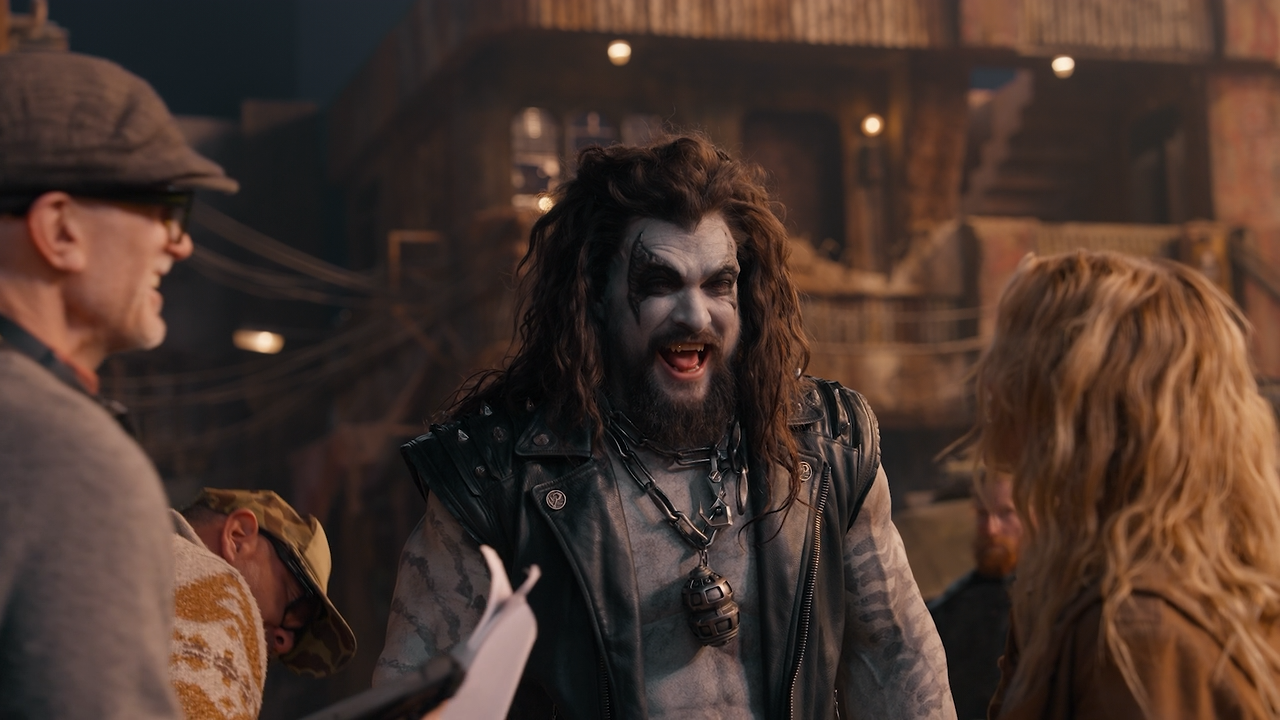
Per Deadline, analytics firm RelishMix found the chatter centered on Supergirl feeling too much like a James Gunn production, with fans knocking the humor, the Guardians-style DNA, and a Kara who came off more as a cosmic antihero than Supergirl.
The film’s total social reach across platforms was a small 639 million, well under the 953.8 million Superman pulled the year before.
The trailer underwhelmed, and even at CinemaCon the bus-battle scene didn’t fully land in the room.
They ignored the comic they were adapting
Here is the core failure.
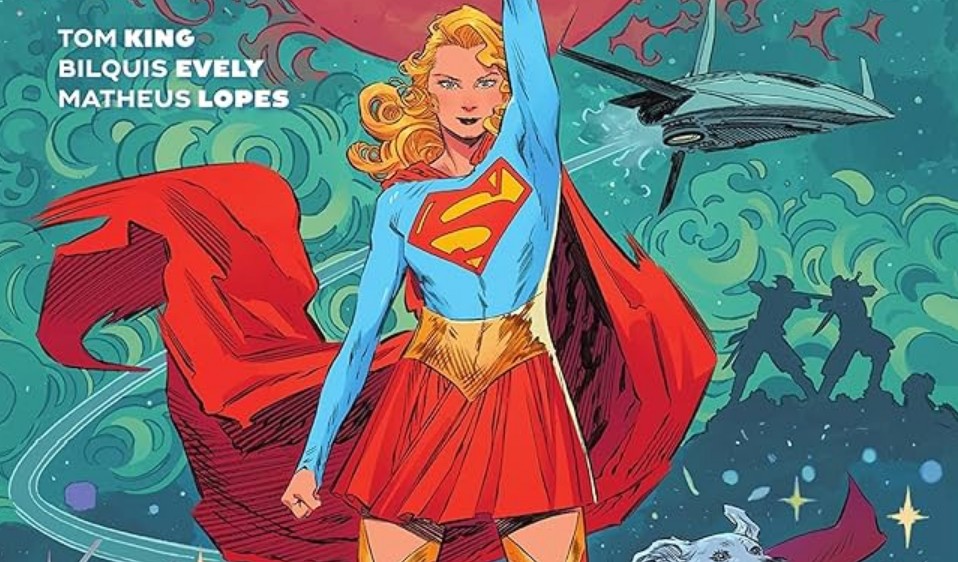
Gunn spent the run-up praising Tom King and Bilquis Evely’s Supergirl: Woman of Tomorrow, the acclaimed graphic novel the film was supposedly based on. The movie goes in nearly the opposite direction.
Director Craig Gillespie has been candid that he didn’t start with the source material, saying he “very deliberately didn’t look at Tom King’s book” and worked off Ana Nogueira’s screenplay instead.
He eventually went back to the comic and borrowed a few visuals from Evely’s art, but the book was never the foundation.
The biggest change was the ending. Note: Spoilers follow.
Gillespie confirmed it was Gunn who insisted Supergirl kill Krem, saying Gunn was adamant about it from the first draft and refused to even shoot a backup in case testing went badly. That is not how the comic ends.
In fact, when Gillespie described the source material in an interview, he got it wrong, saying Ruthye kills Krem in the graphic novel. She doesn’t. It fits a larger sense that the team didn’t understand the story they were adapting.
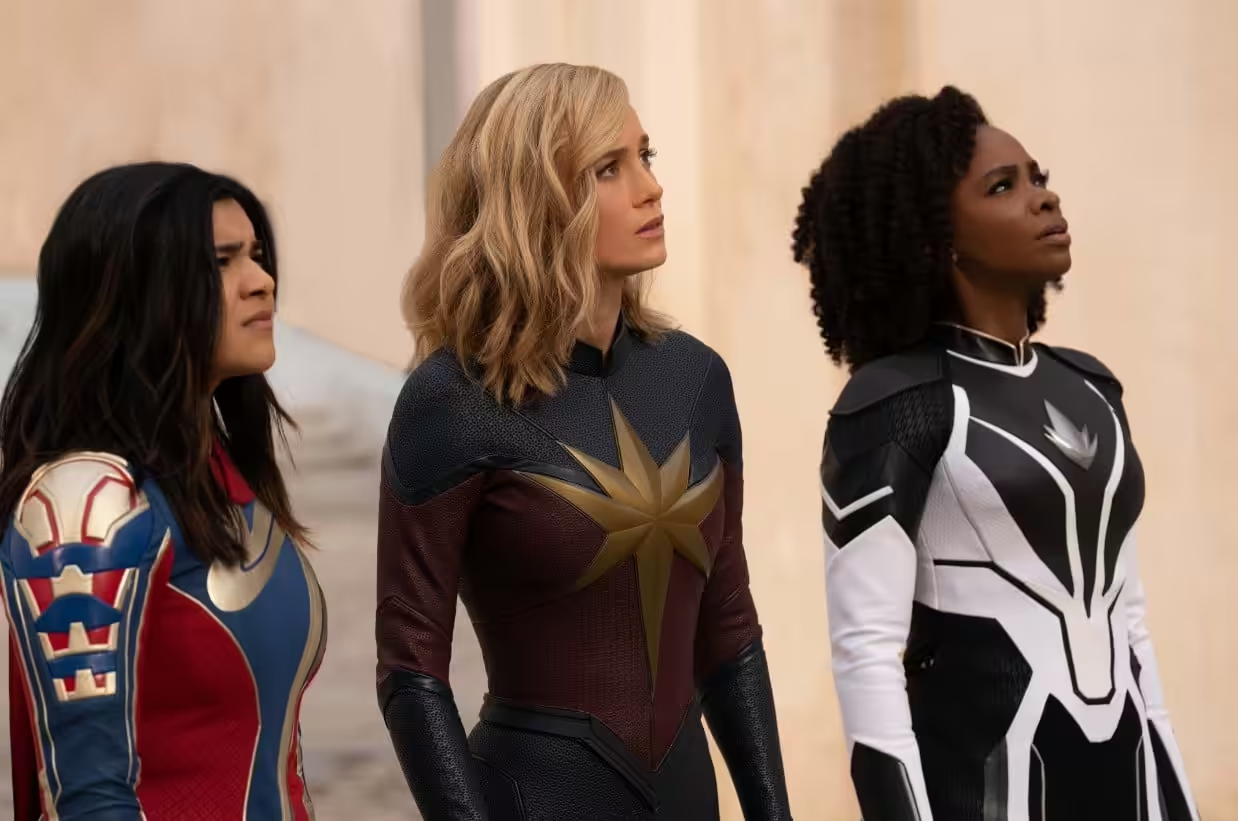
Gunn ran the Marvel playbook that already failed
What makes this maddening is that Gunn had a roadmap for exactly how this goes wrong, and ignored it.
Supergirl was built the way Kevin Feige built Marvel after Endgame: with creatives who didn’t read the comics and a reluctance to hire writers who did.
That approach gave Marvel a string of post-Endgame misfires, a producer who openly avoided comic-literate writers and was eventually fired, and a Secret Invasion whose director was told not to read the comics.
It went so badly Disney was forced to gut Marvel TV, cutting both content and budget. Rumors have long held that Gunn was the one who recommended some of those creatives to Feige in the first place.
Then he turned around and did the same thing at DC.
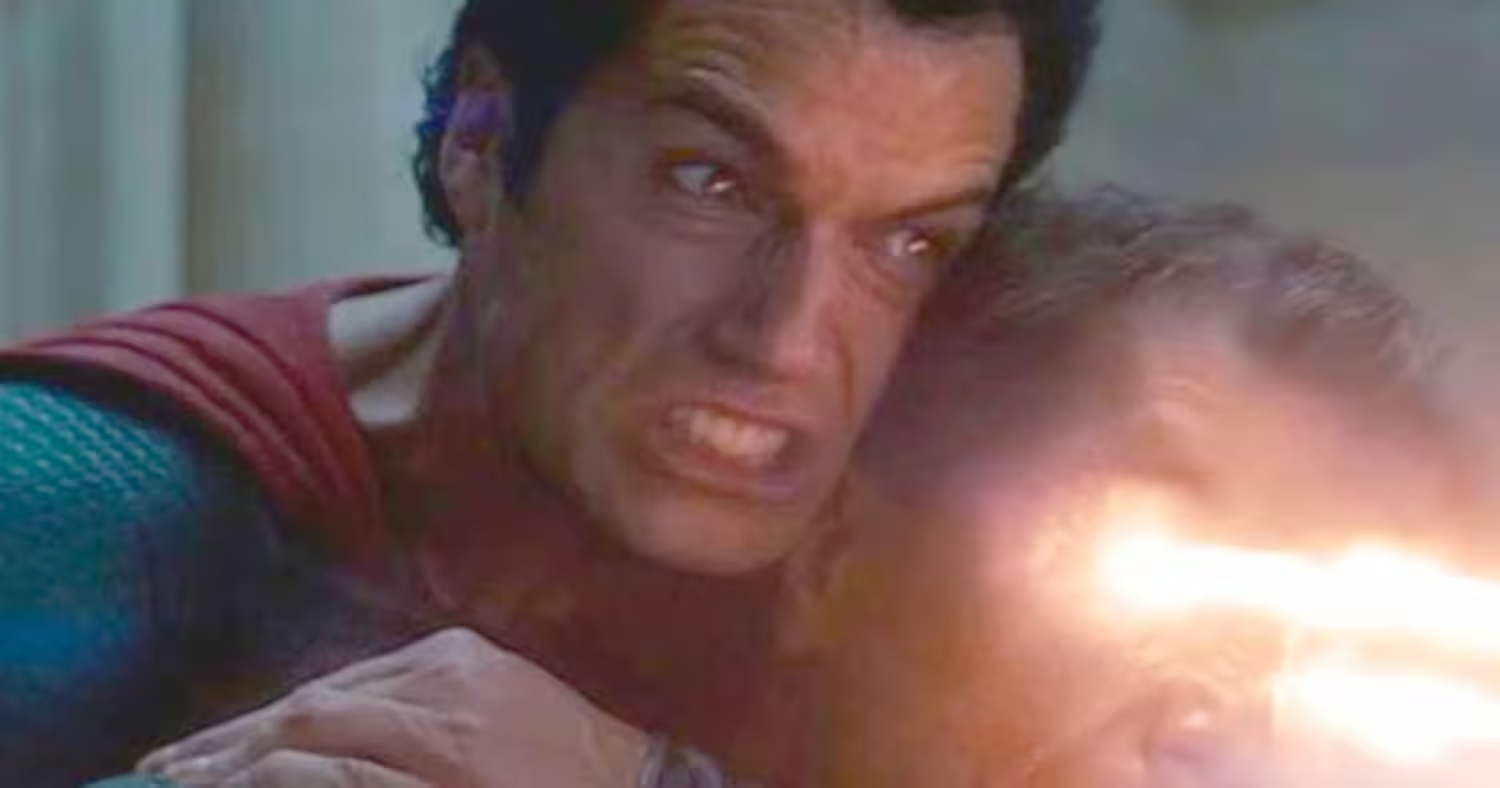
He didn’t learn from Man of Steel, either
The divisive hero-kills-villain ending isn’t even new to DC.
Zack Snyder’s Man of Steel had Superman snap Zod’s neck, and it drew massive backlash, including from prominent Superman fans in the industry.
The cautionary tale was sitting right there in DC’s recent history, and Gunn repeated it with Supergirl killing Krem.
The difference, as our sources point out, is that Snyder’s version had a purpose. Superman killing Zod was the moment that taught him why he can never do it again. Supergirl killing Krem, right after stopping Ruthye from doing it herself, taught nothing.
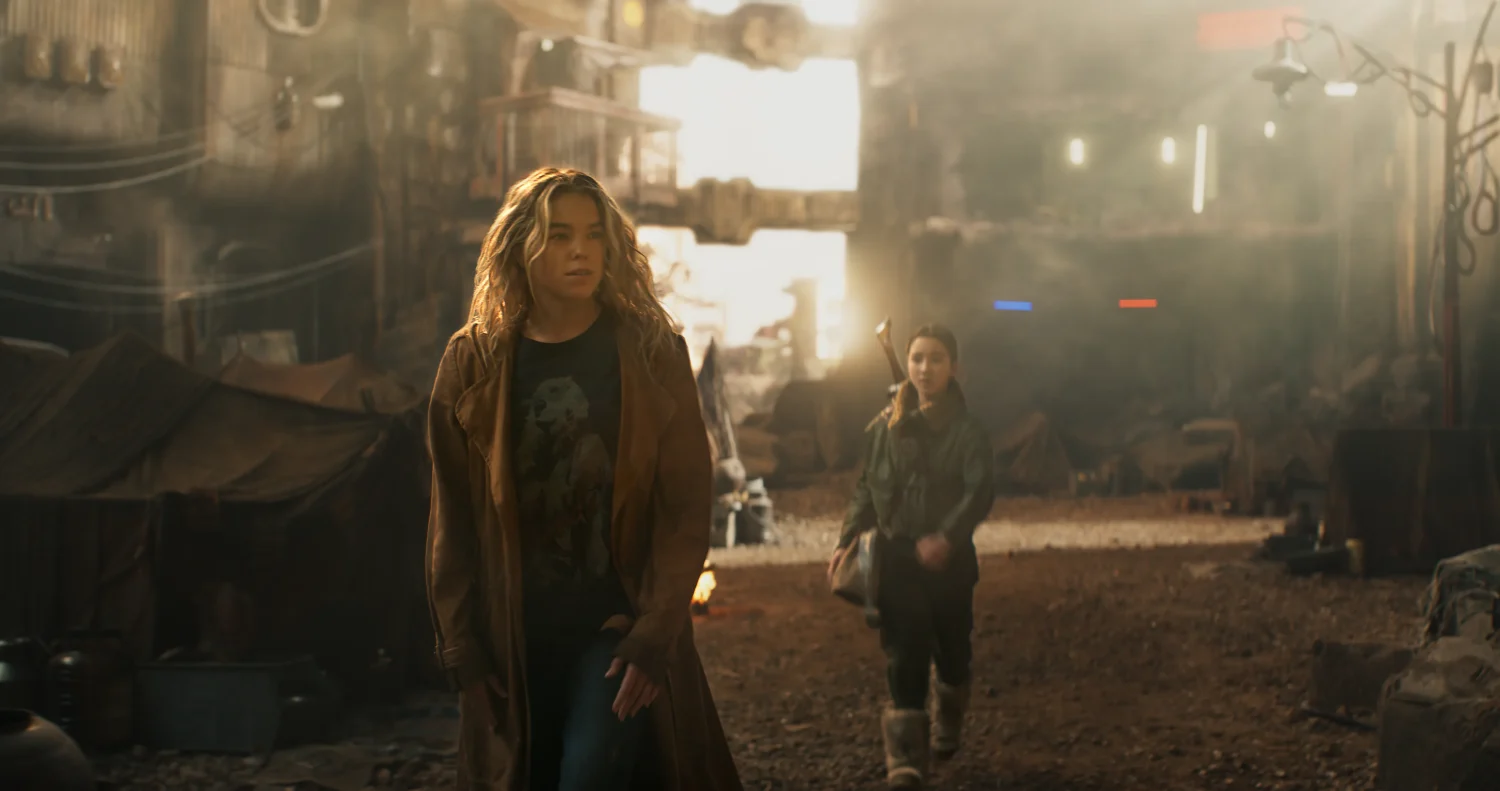
What our sources are saying
Our Hollywood insiders are blunt about the film itself.
The verdict is that it’s a decent TV movie, entertaining in spots but underdeveloped and, above all, poorly written. Milly Alcock was good and Lobo was a highlight, but he didn’t move the plot.
The production reached for Snyder and only underlined how good he is at this. The attempt to duplicate him, our sources say, highlighted his mastery of cinematography, slow motion, and action choreography.
The movie was too dark, with no real grasp of how to use fill light. It churned through three composers, including Junkie XL, because Gunn and Gillespie insisted on needle drops that couldn’t express the characters or the moments, so no one could land proper themes.
And the deepest cut is the source material.
Our sources say the team fundamentally misunderstood the graphic novel. By having Kara born on Argo City instead of Krypton, the film erased the logic of her trauma.
A Kara who grew up on Krypton has reason to be devastated and self-destructive; a Kara raised in the love of Argo City would honor her people by being better, not by drinking and chasing vengeance.
In the comic, Supergirl is intelligent and in control, guiding Ruthye toward the lesson that killing isn’t the answer before sending Krem to the Phantom Zone, where he ages out and returns to ask forgiveness.
The movie’s Kara is irrational, unlikable, and selfish, killing Krem herself. The graphic novel, our sources say, was beautiful and poignant. The film missed the entire point.
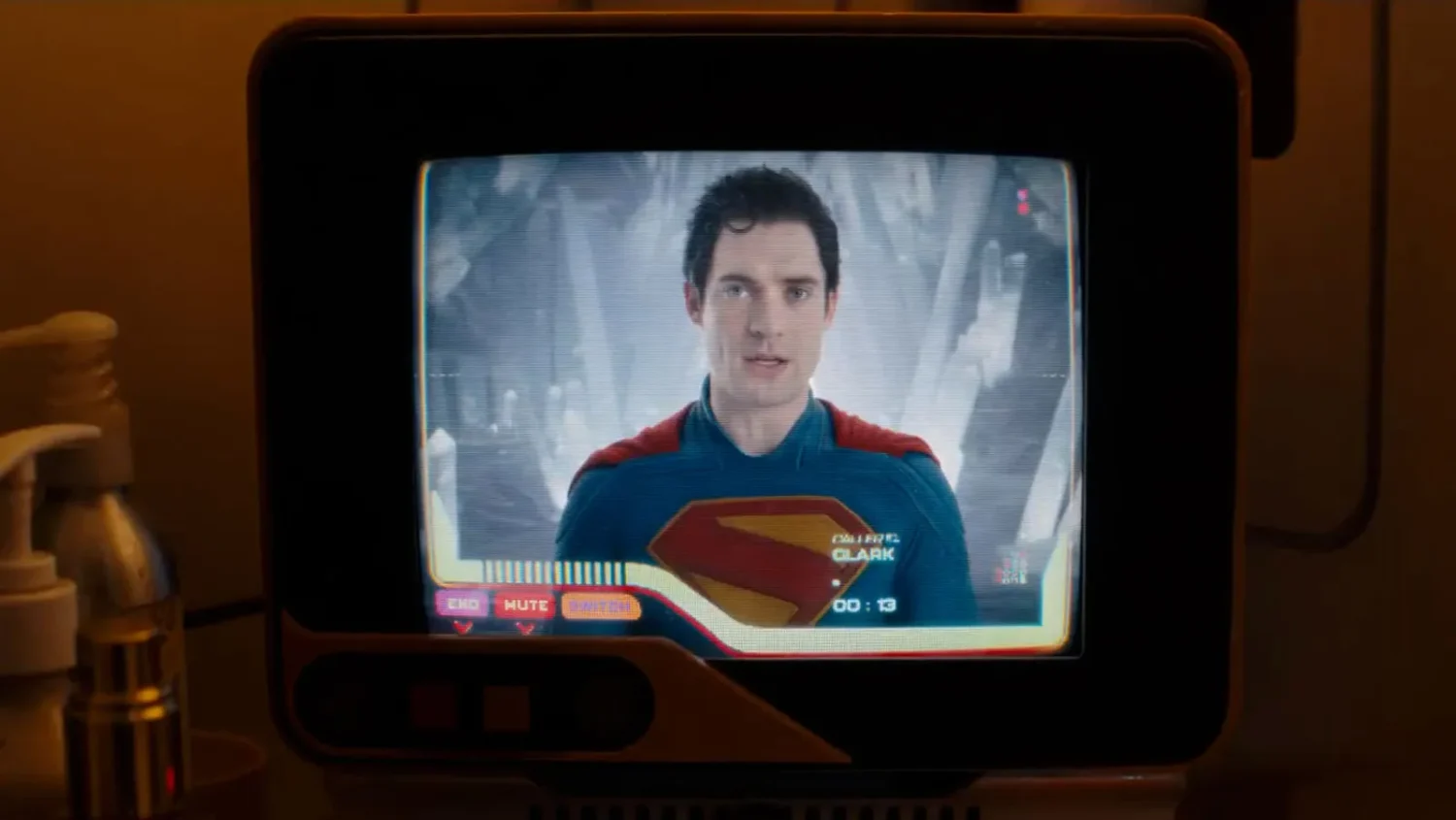
Gunn keeps antagonizing the fanbase
There is also Gunn himself, and a run of creative choices that seem built to alienate the very fans the DCU depends on.
The clearest example is the Jor-El change.
In last year’s Superman, Gunn reframed Krypton’s message so that Kal-El was sent to Earth to conquer it rather than to protect and inspire, a dark spin on the most hopeful hero in comics that many fans took as a betrayal. They hoped he would walk it back. Instead, Supergirl doubles down. K
ara’s father echoes the same conquer idea, confirming it, and then gives Kara the heroic, do-good send-off Gunn denied Clark.
For fans already burned, the takeaway is that Kara is the real Superman of this universe and Clark is not. The film even opens with Krypto p-ssing on Superman. Subtle it is not.
So why keep doing it?
These are the same fans who make up the DC audience, the Superman faithful, the people a shared universe needs coming back.
The box office answered that. The crowd that turned out for Superman largely didn’t return for Supergirl. Superman opened to $125 million; Supergirl managed $37 million, less than a third of it. The goodwill Superman built didn’t carry over, because the people who built it stayed home.
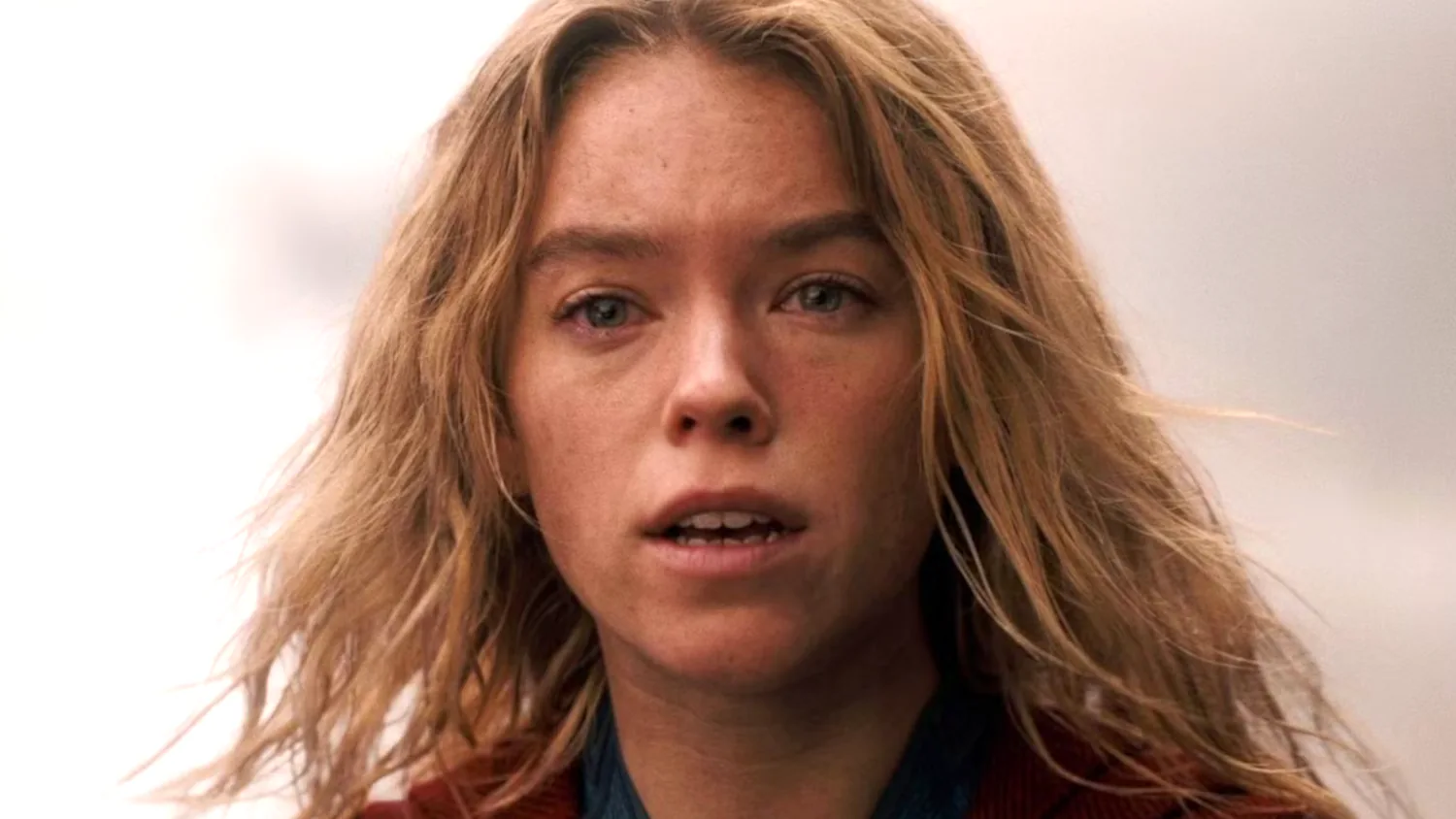
Audiences Have Already Rejected This Playbook
Supergirl ran the same playbook that has produced the genre’s recent rejections, from Marvel’s post-Endgame stumbles to the divisive reboots of Star Wars and Doctor Who that fans have turned on.
Audiences have been clear about what they will and won’t accept, and a $37 million opening, a B- CinemaScore, and an international shrug are the verdict.
Internally, DC knew the movie had problems. The trades spun the number until it couldn’t be spun anymore. The audience just told the truth.