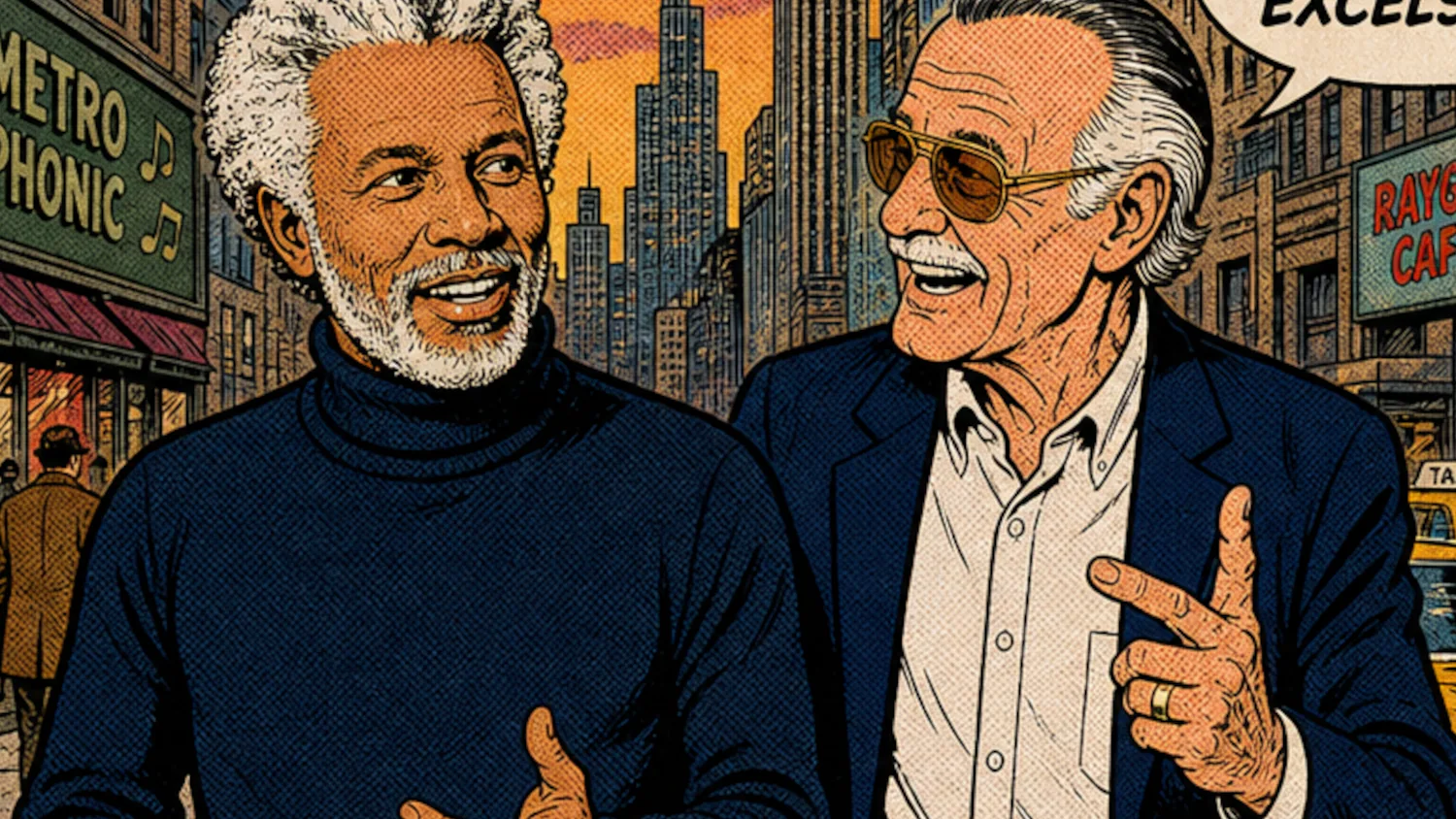
AI audio company ElevenLabs — valued at $11 billion — announced a partnership with Stan Lee Universe to bring the late Marvel Comics co-creator back to life. Sort of.
Through the deal, Stan Lee’s AI-cloned voice is now available on ElevenLabs’ Iconic Marketplace for commercial licensing and on the company’s Eleven Reader app.
His likeness has been added to their Creative Templates, allowing users to generate video and image content featuring him, framed as a digital extension of the beloved cameos he made in Marvel films for decades.
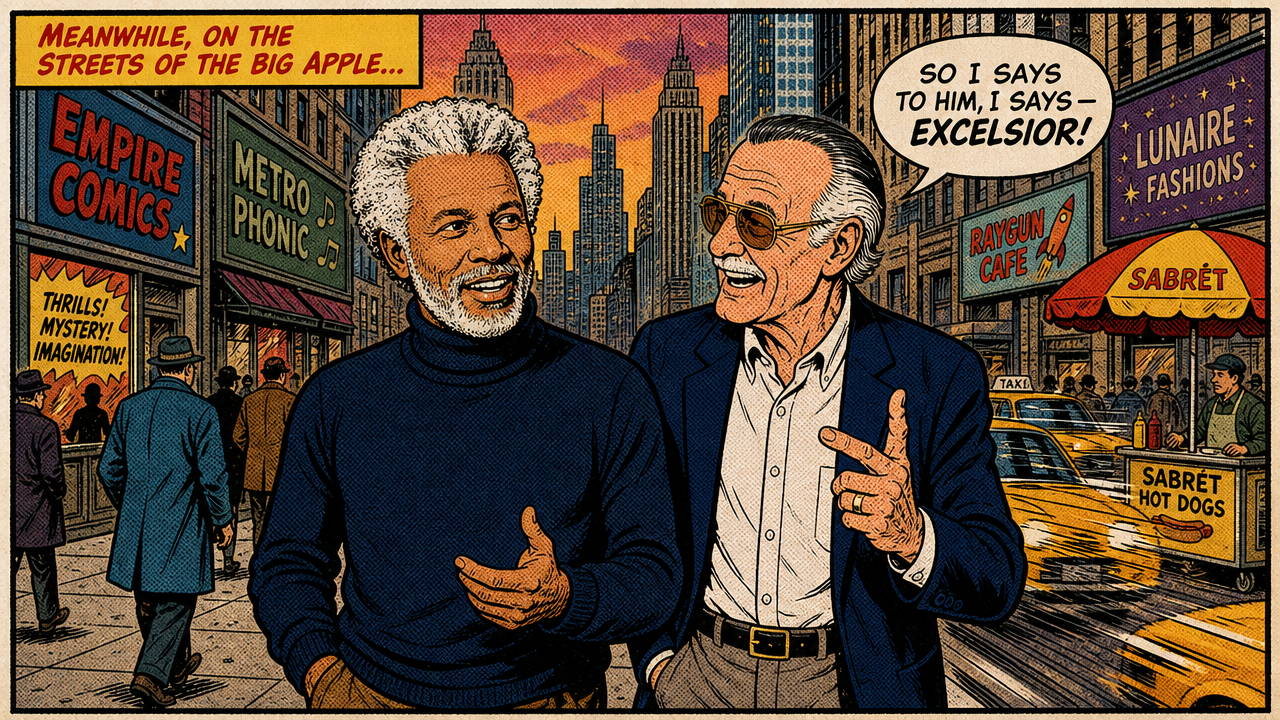
Two Stan Lee-inspired music filters have also been released on the company’s AI music generator.
The centerpiece is the “Stan Lee Book of the Month Club,” which will use his AI-generated voice to narrate public domain classics inside the Eleven Reader app, starting with Robert Louis Stevenson’s Treasure Island in June.
“Fans have always told us that when they read his comics, they hear the words in Stan’s voice, and now, thanks to ElevenLabs, we can make that a reality,” said Chaz Rainey of Stan Lee Universe in the announcement.
The reaction from those fans, however, tells a very different story.
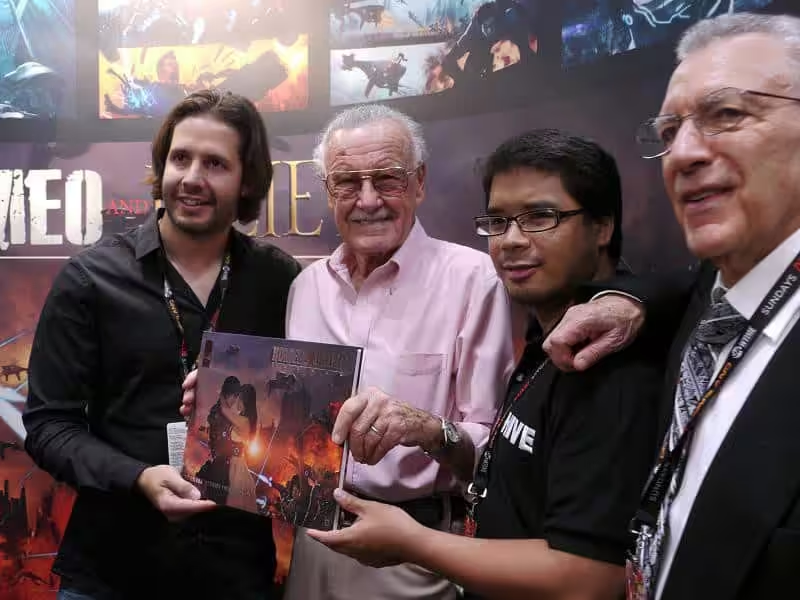
“This is actually evil”
Across X, Reddit, Instagram, and fan forums, the response has been overwhelmingly negative. Words like “ghoulish,” “vile,” and “disgusting” dominate the conversation. Comparisons to Black Mirror are everywhere.
“This poor man has had his entire legacy exploited. Just let him rest,” read one widely shared response on Deadline‘s coverage.
Another fan wrote that they would walk out of any theater showing an AI-generated Stan Lee cameo.
On Kotaku, a commenter described the announcement as proof that “so long as major creatives are viewed as a product above all else, we’ll keep seeing corporations putting the dead on assembly lines for profit.”
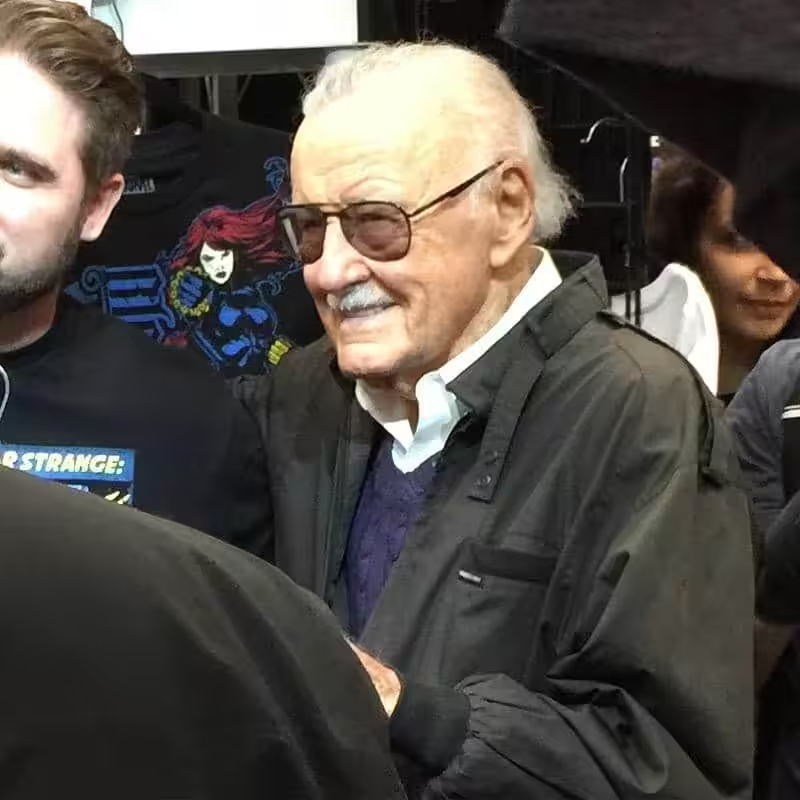
A man who couldn’t rest even while alive
For many fans, the outrage isn’t just about AI ethics in the abstract. It’s personal, because Stan Lee’s final years were defined by exploitation.
In 2018, just months before his death at age 95, Lee filed a $1 billion lawsuit against POW! Entertainment, the company he co-founded in 2001.
He accused CEO Shane Duffy and co-founder Gill Champion of conspiring to steal his identity, name, and likeness by brokering a deal with Hong Kong-based Camsing International without his informed consent.
Lee alleged that the executives took advantage of his grief — his wife Joan had just died — and his macular degeneration, which had left him legally blind since 2015.
His complaint claimed he was either tricked into signing documents granting POW! exclusive rights to his likeness, or that his signature was forged entirely.
Two months later, Lee dropped the suit. His statement at the time read: “The whole thing has been confusing to everyone, including myself and the fans.”
The circumstances around why he dropped it remain murky. His daughter, J.C. Lee, later revived similar claims against POW! in court.
But the POW! lawsuit was only one thread in a much darker tapestry. Lee also sued his former business manager, Jerardo Olivarez, for fraud and elder abuse.
According to the complaint, Olivarez drained $1.4 million from Lee’s accounts through wire transfers, bought an $850,000 condo with Lee’s money, set up a fake charity called “Hands of Respect,” and — in what the lawsuit described as a “diabolical and ghoulish scheme” — had a nurse draw Lee’s blood and used it to stamp comic books that were sold as collectibles in Las Vegas for hundreds of dollars apiece.
Lee’s complaint stated he never consented to having his blood used as a merchandising item.
Then there was Keya Morgan, a memorabilia collector who inserted himself into Lee’s life as a business manager and advisor.
Morgan was arrested on felony charges including theft, embezzlement, false imprisonment of an elder adult, and forgery. Authorities said he pocketed over $262,000 from autograph signings, moved Lee from his home to a Beverly Hills condo where he could exert control over him, and filed a false 911 report when detectives and a social worker showed up for a welfare check.
Lee died on November 12, 2018. He was 95.
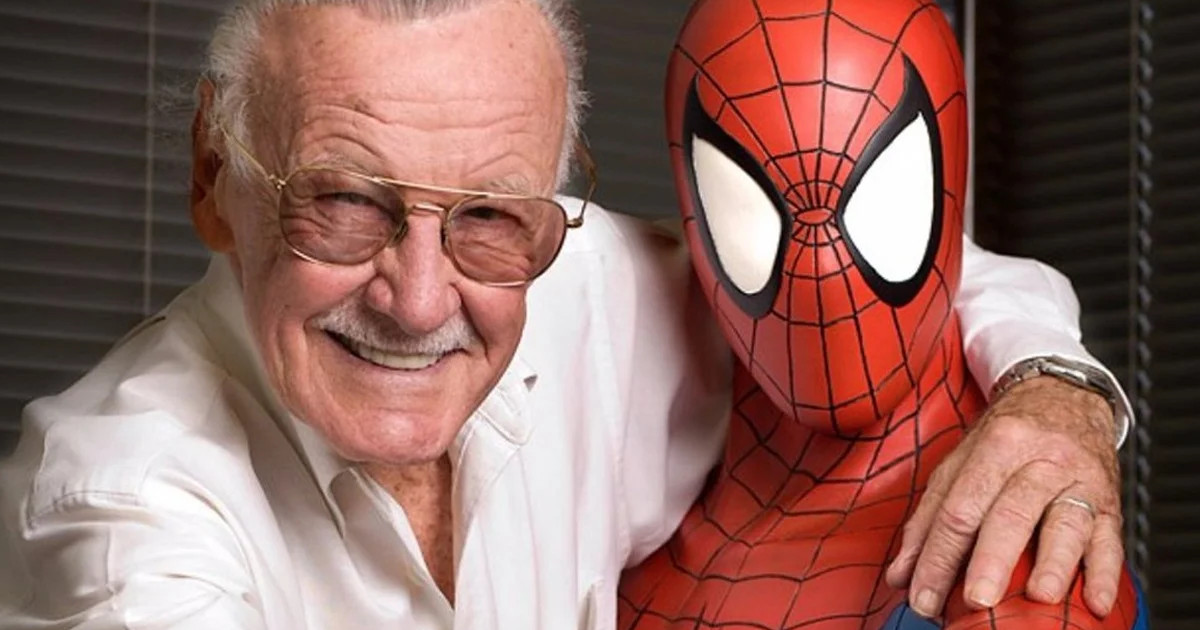
The uncomfortable irony
It’s hard to read the ElevenLabs announcement without this history echoing through it.
The company that now controls Stan Lee’s post-Marvel intellectual property — Stan Lee Universe — is a joint venture involving POW! Entertainment, the same company Lee accused of trying to steal his identity.
The entire announcement is built around licensing Lee’s name, voice, and likeness for commercial use, the exact rights he fought to protect in court during the final months of his life.
ElevenLabs frames its offering carefully.
The image templates are “for personal, non-commercial use only,” the announcement states, but in the very next breath, it notes that “licensed commercial use of his likeness is available through the Stan Lee Universe team via ElevenLabs.”
The voice is available on the Iconic Marketplace alongside celebrities who are alive and can consent in real time, like Michael Caine and David Hasselhoff, as well as other deceased figures like Judy Garland and John Wayne.
The announcement quotes Rainey saying the partnership is “a way of continuing” Lee’s tradition of meeting fans wherever they were. But the question fans are asking is a simpler one: who gave consent?
Stan Lee died before this technology existed in its current form. He never had the opportunity to approve or reject the idea of his voice being cloned by AI and licensed to advertisers, filmmakers, and game developers.
The consent here flows through the corporate entities that control his estate and rights, entities that, as the legal record shows, Lee himself once accused of acting against his interests.
As one fan put it: “Even in death, he’s still being exploited.”
Excelsior, indeed.