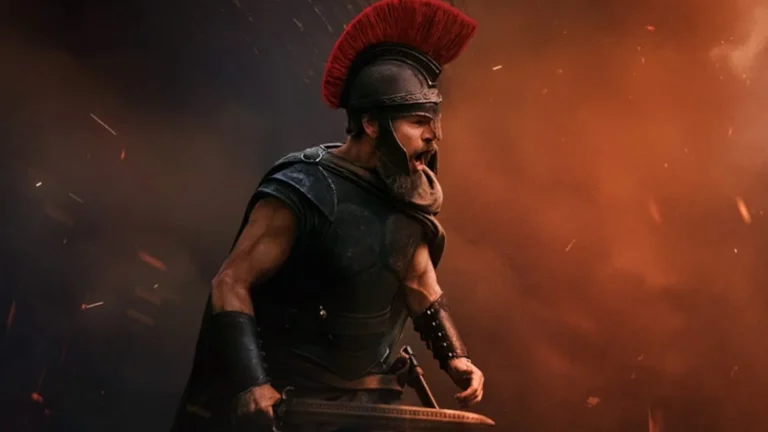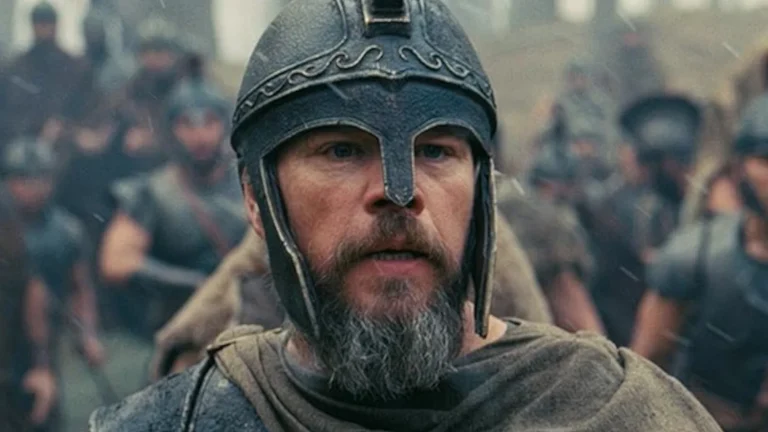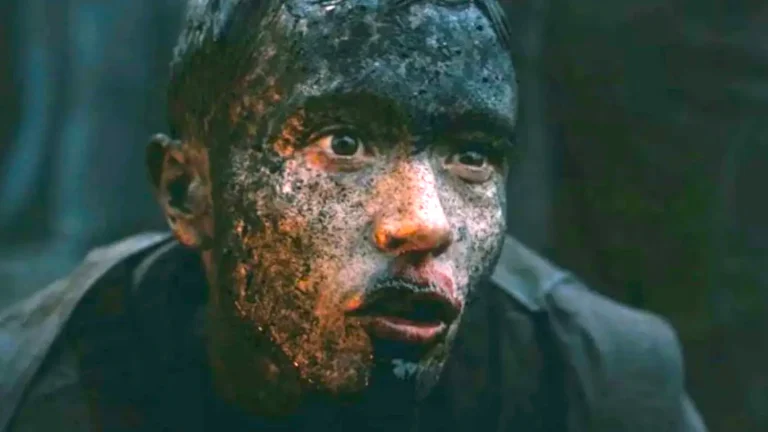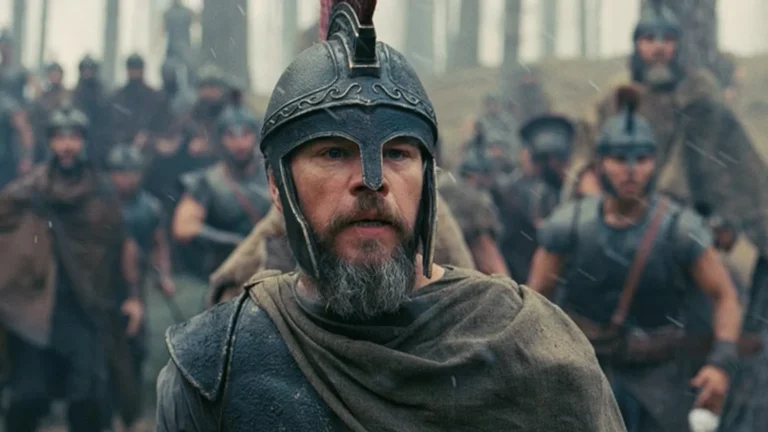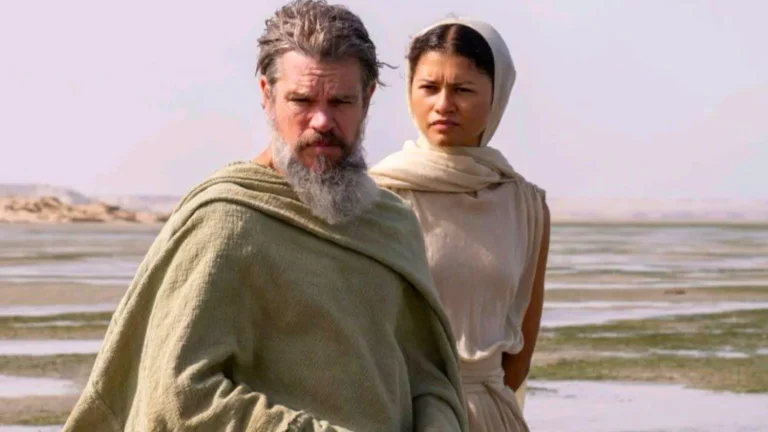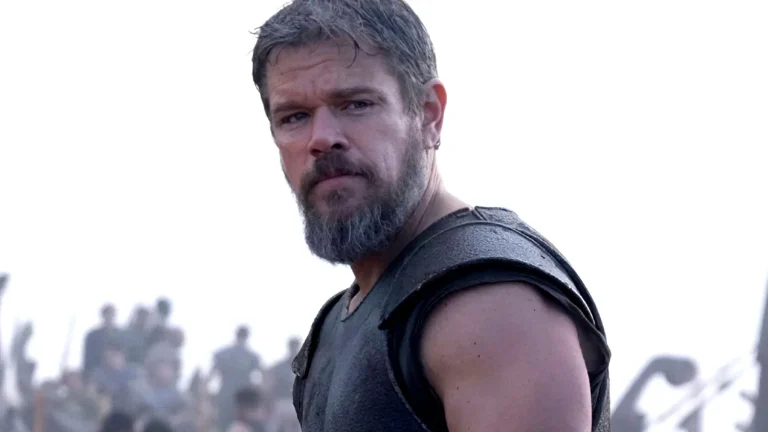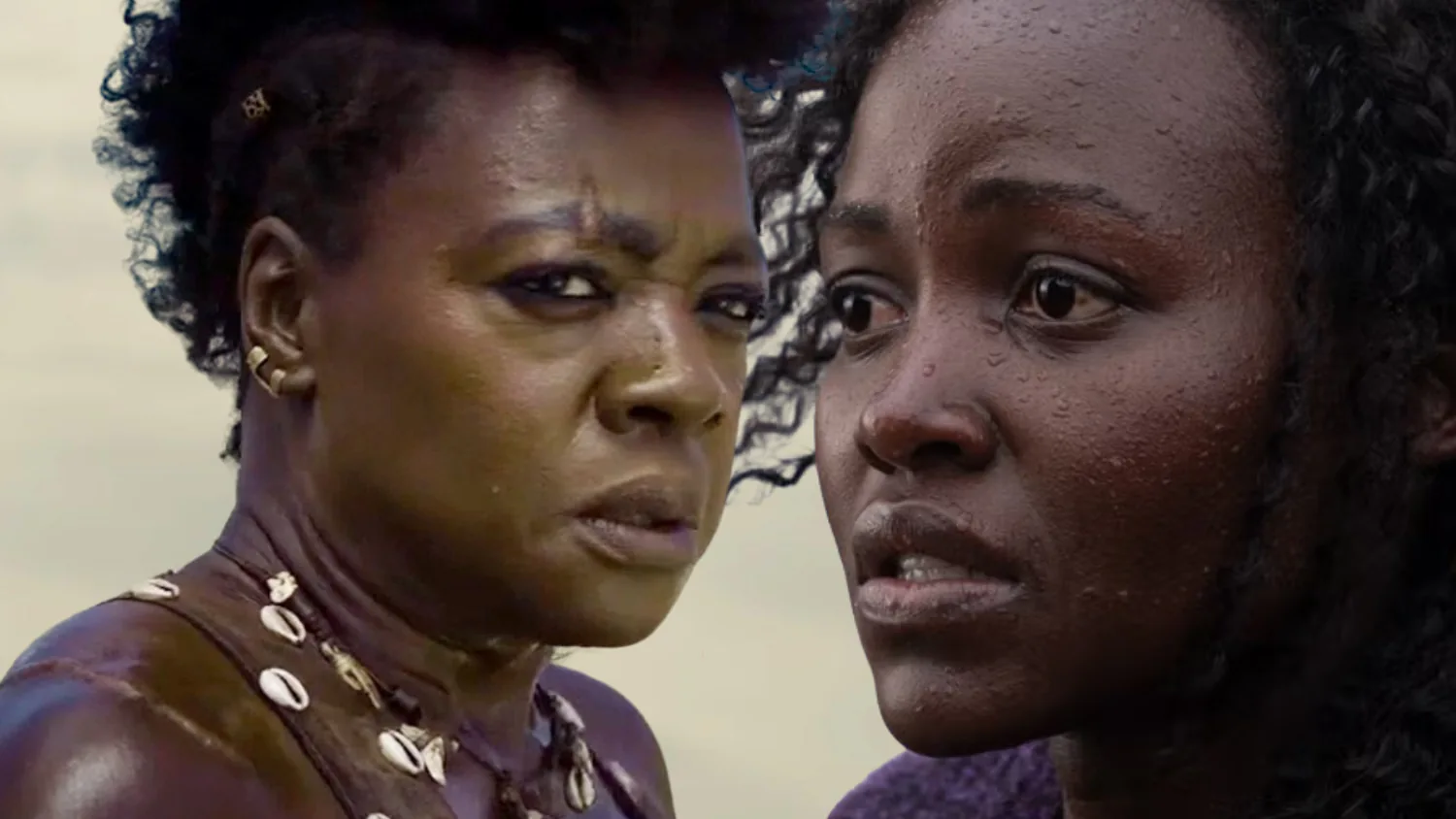
Lupita Nyong’o’s exit from The Woman King is getting renewed attention as backlash continues over her casting as Helen of Troy in Christopher Nolan’s The Odyssey.
Nyong’o plays two roles in Nolan’s upcoming adaptation: Helen of Troy and her sister Clytemnestra.
The casting has drawn criticism from those who argue Hollywood is adapting one of the most famous works of ancient Greek literature while the confirmed principal cast does not appear to include a Greek or Greek-American actor in a major role.
Nyong’o has defended Nolan’s casting by calling The Odyssey “a mythological story.”
Now, critics are pointing to Nyong’o’s past departure from The Woman King, along with comments she made about Black Panther and African representation, as the debate over cultural authenticity in Hollywood continues.
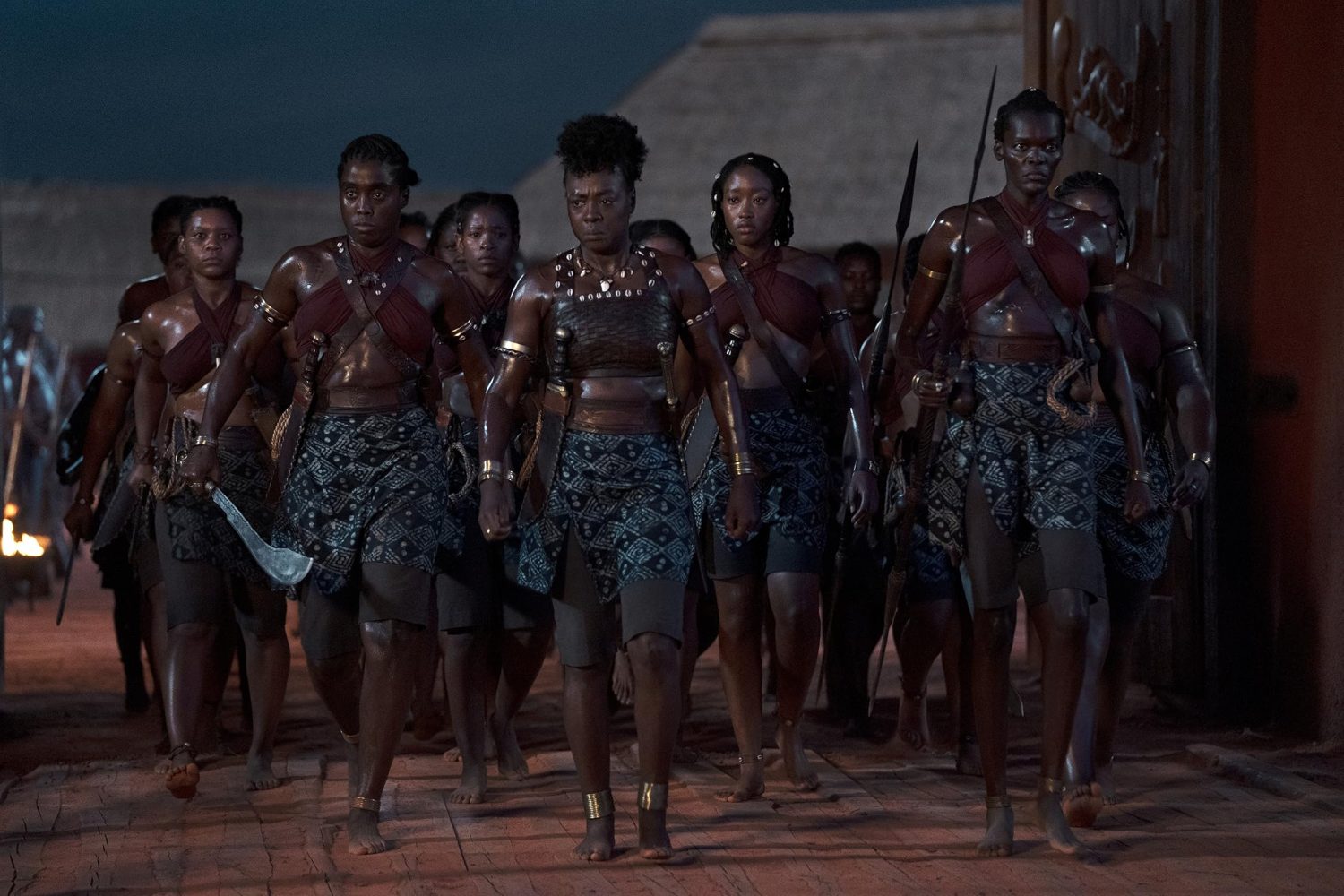
Lupita Nyong’o Said The Woman King “Wasn’t The Role” For Her
Nyong’o was originally attached to star in The Woman King, the 2022 historical action drama led by Viola Davis.
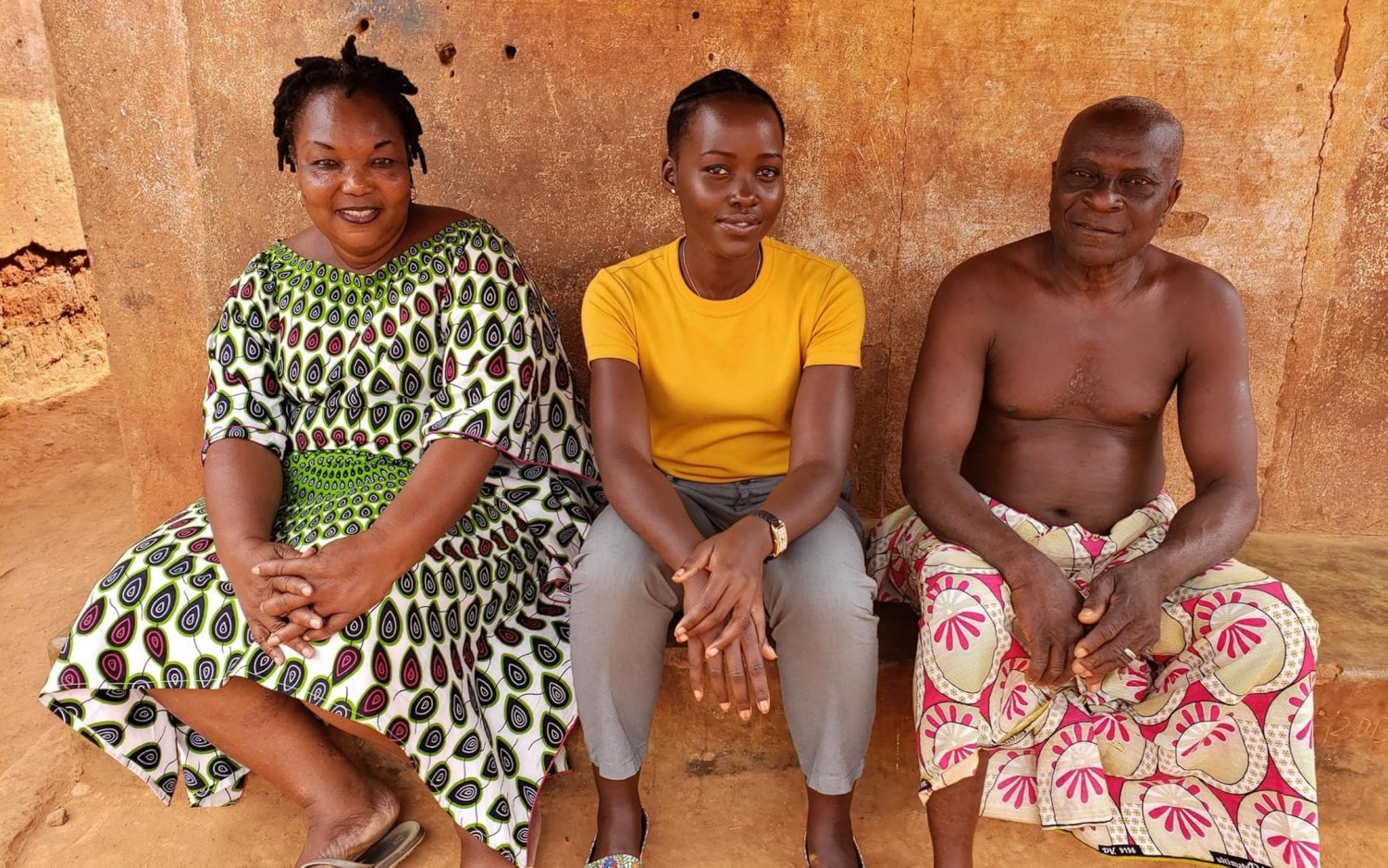
The film centers on the Agojie, the all-female warrior unit of the West African kingdom of Dahomey. Before production moved forward without her, Nyong’o had explored the real history of the Agojie in her 2019 Channel 4 documentary Warrior Women with Lupita Nyong’o.
In the documentary, Nyong’o traveled to Benin and confronted the Agojie’s complex legacy, including Dahomey’s deep involvement in the transatlantic slave trade. In one scene, she is visibly emotional as she reflects on what she has learned.
After leaving The Woman King, Nyong’o addressed her departure in an October 2022 interview with The Hollywood Reporter.
“It was very amicable, the departure from it,” Nyong’o said. “But I felt it wasn’t the role for me to play.”
She declined to give further specifics. Nyong’o did not publicly connect her departure to cultural authenticity concerns, and the direct reason for her exit remains her own.
However, the timeline is what critics are now focused on: she was cast, she made the documentary, she confronted the history, and she walked away.
Critics Are Connecting The Woman King Exit To The Odyssey
Nyong’o did not give a detailed public explanation for why she left The Woman King, and framing her exit as definitively about cultural accuracy would go beyond what she has said on the record.
What critics are pointing to is the pattern.
In making Warrior Women, Nyong’o grappled openly with the gap between the heroic image of the Agojie — the image that inspired the Dora Milaje in Black Panther — and the real history of Dahomey’s role in slavery.
The Woman King later faced its own backlash over how it handled that history, with the hashtag #BoycottWomanKing trending on social media after the film’s release.
The question critics are now asking is straightforward: if Nyong’o felt strongly enough about the historical complexities of the Agojie to walk away from a major role, why does she now describe The Odyssey — an adaptation of a foundational Greek text — as simply “a mythological story” where the cast is “representative of the world”?
That is the tension driving this part of the backlash.
Nyong’o’s Black Panther Comments Are Also Back In The Spotlight
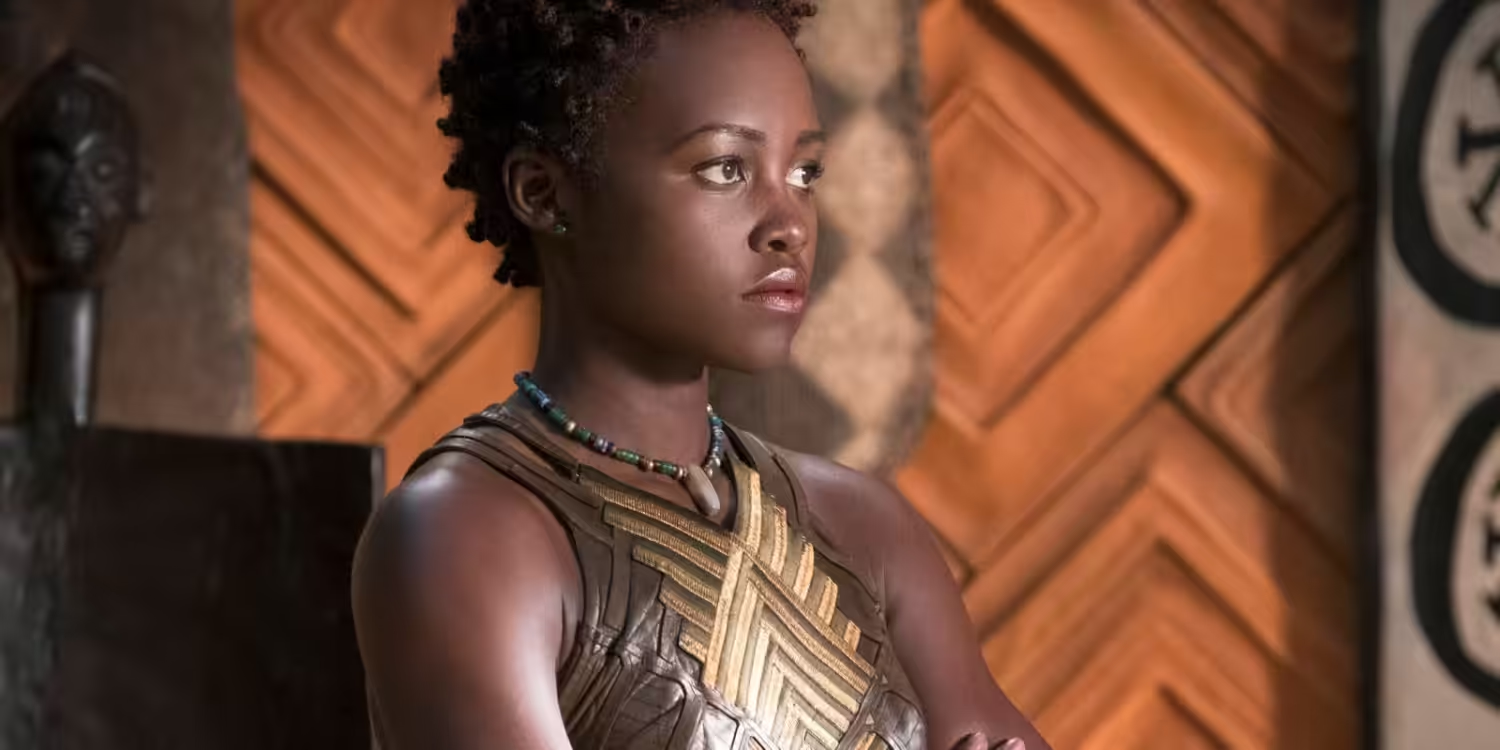
Adding to the scrutiny, critics are resurfacing Nyong’o’s past comments about the importance of cultural specificity in Black Panther.
In a BBC interview, Nyong’o praised Black Panther for coming from people who understood the “misrepresentation” Africa has faced on screen and who wanted to “respect the continent,” “reinvestigate the continent,” and “re-represent the continent.”
She said the issue was personal.
“That’s important to me because I’m all about the demystification of the African continent,” Nyong’o said.
She also emphasized that the production was deliberate about not treating Africa as a monolith.
“Oftentimes the African continent, when it’s portrayed in cinema, it’s very general,” Nyong’o said. “And we were all hell bent on it not being general.”
Nyong’o pointed to specific production choices as proof of that care. Even though Wakanda is a fictional nation, the cast learned Xhosa for the language and worked on accents.
She said the fictional nation was “derived from real African cultures,” and highlighted costume designer Ruth Carter’s research into real ethnic groups including the Tuareg, Maasai, Dogon, and Surma.
“Hopefully there is a celebration as a result of respect for these very wealthy and diverse cultures that often just get washed as one thing,” Nyong’o said.
We were all hell bent on it not being general.
— Lupita Nyong’o on Black Panther’s approach to African culture
Critics Say Greek Mythology Should Get The Same Respect
Those comments are now central to the backlash against The Odyssey.
The argument from critics is direct: Nyong’o praised Black Panther for grounding a fictional African nation in real cultural research — learning real languages, studying real ethnic groups, ensuring the costumes reflected specific traditions rather than a generic idea of Africa.
She called it “demystification.” She said generalizing an entire continent was exactly what the production refused to do.
Critics now ask whether Greek mythology deserves the same care. The Odyssey is not a generic ancient story — it is a specific work of ancient Greek literature, rooted in Greek identity, Greek geography, and Greek religion.
The Greek City Times published an open letter calling out the lack of Greek representation in the cast.
The confirmed cast heritage breakdown shows actors of American, English, South African, Kenyan-Mexican, Colombian, British-Indian, British-Nigerian, Brazilian-Canadian, and Syrian-Jewish heritage — but no confirmed Greek or Greek-American actors in principal roles.
Supporters of Nolan’s casting argue The Odyssey is mythology, not a historical drama, and that classic stories have been reinterpreted across cultures for centuries. They point to Nolan’s track record and argue the film should be judged on its quality, not a casting checklist.
Critics counter that mythology still comes from a real culture, and that the standard Nyong’o articulated for Black Panther — cultural specificity, respect for source traditions, refusal to generalize — should apply regardless of which culture is being adapted.
The Odyssey Backlash Keeps Growing
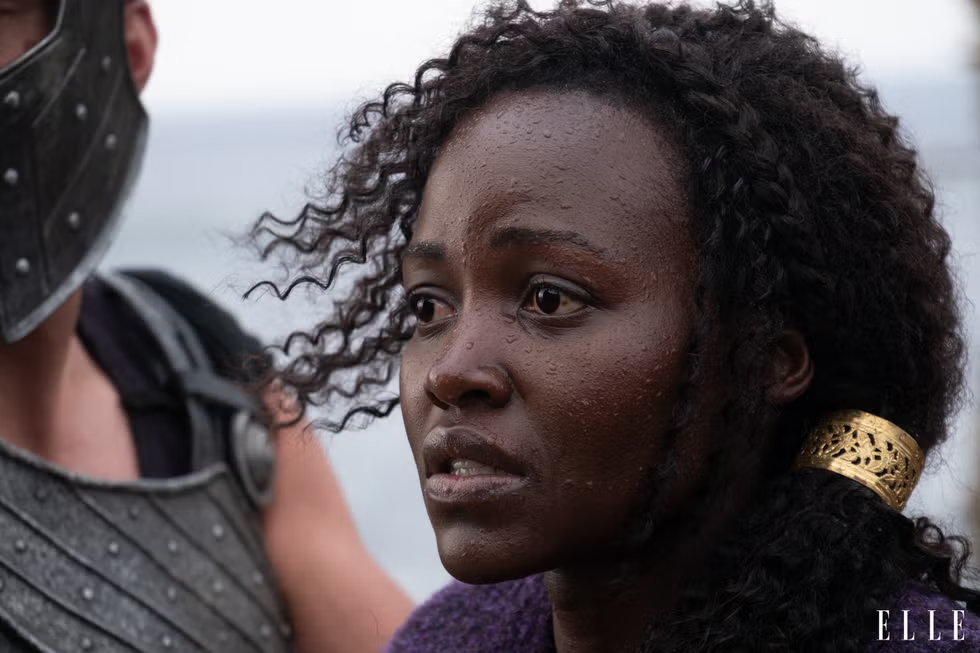
Nyong’o’s casting as Helen of Troy has drawn criticism from Elon Musk and from audiences whose interest in the film appears to be declining.
Helen is the daughter of Zeus and Leda in Greek mythology and is described in Homer’s works as the most beautiful woman in the world. In Nolan’s film, Nyong’o also plays Helen’s sister Clytemnestra, the wife of Agamemnon, played by Benny Safdie.
Nyong’o responded to the criticism by standing behind Nolan’s vision.
“I’m very supportive of Chris’s intention with it and with the version of this story that he is telling,” Nyong’o said. “Our cast is representative of the world.”
Her comments did not quiet the debate. Instead, critics have continued examining past interviews and career decisions as they argue Hollywood applies different standards of cultural respect depending on which culture is being adapted.
About The Odyssey
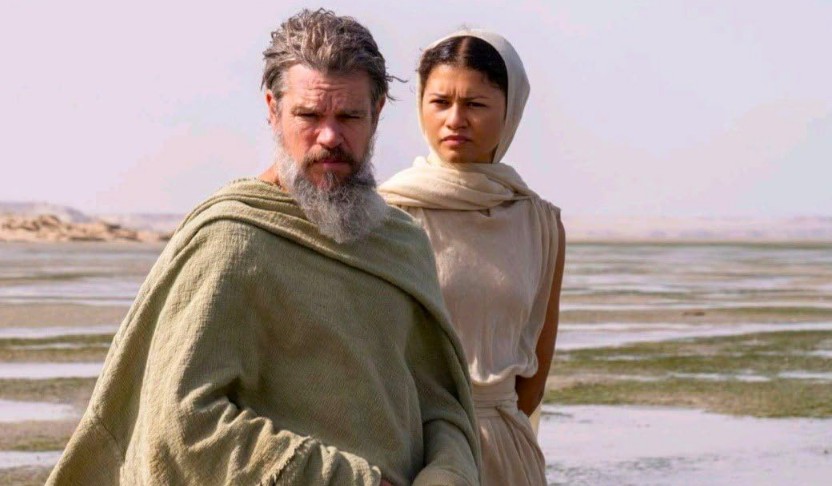
The Odyssey is written and directed by Christopher Nolan and is based on Homer’s ancient Greek epic poem.
The film stars Matt Damon as Odysseus, Tom Holland as Telemachus, Anne Hathaway as Penelope, Zendaya as Athena, Lupita Nyong’o as Helen of Troy and Clytemnestra, Charlize Theron as Calypso, Robert Pattinson as Antinous, Jon Bernthal as Menelaus, Benny Safdie as Agamemnon, John Leguizamo as Eumaeus, Himesh Patel as Eurylochus, Mia Goth as Melantho, Travis Scott as the Bard, Samantha Morton as Circe, and Bill Irwin as Polyphemus.
For the full cast including all supporting roles, see our complete Odyssey cast and role breakdown.
The Odyssey opens in theaters on July 17, 2026, from Universal Pictures.