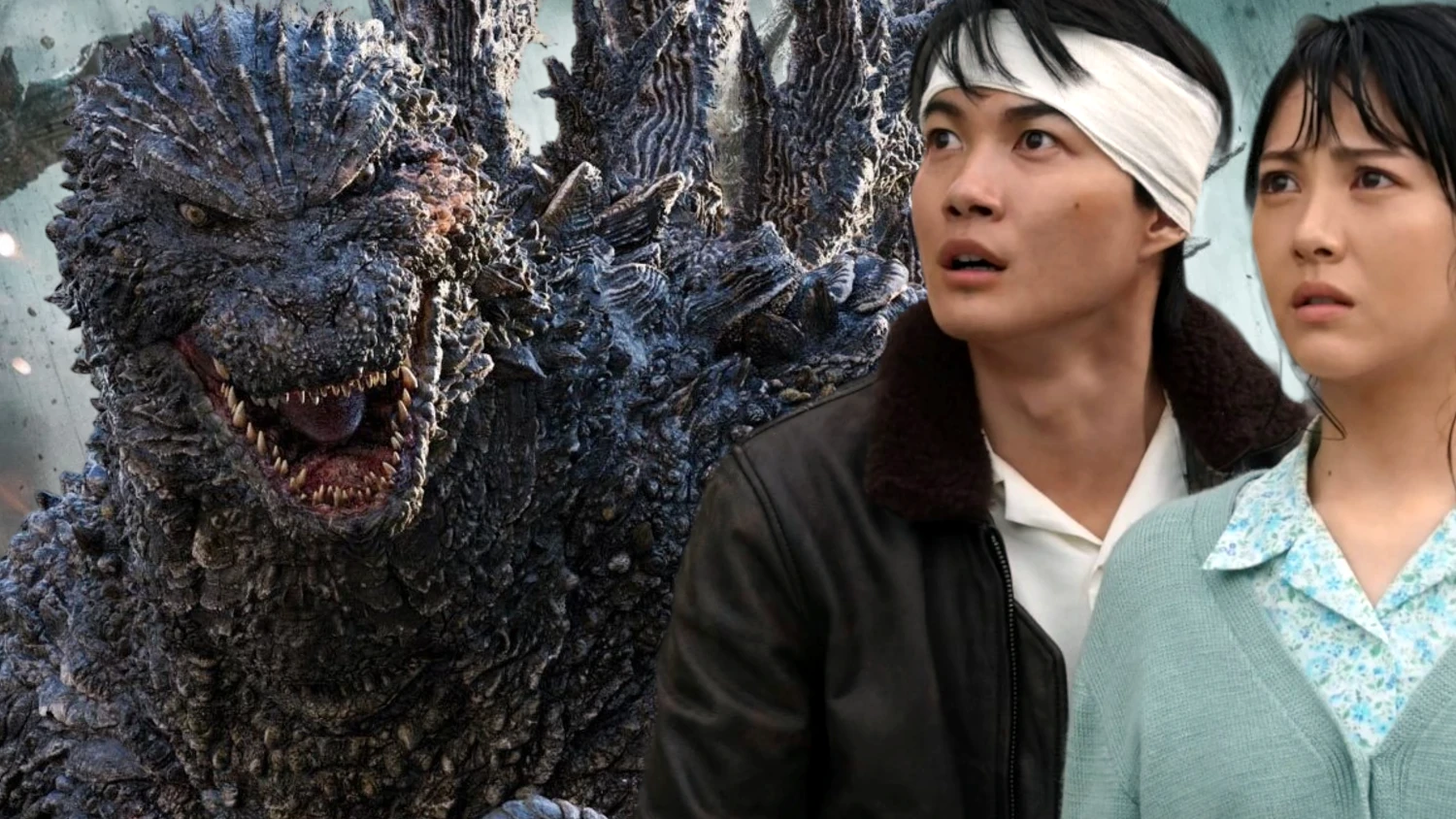
Movie goers might have been left scratching their heads as to why the Godzilla Minus One title is called just that. However, it isn’t just a catchy title — it actually carries a deeper symbolism that reflects Japan’s darkest historical moments amid World War II.
The film was released last year and became a big hit at the box office, won an Oscar, and smashed viewership records on Netflix. The flick returns the iconic kaiju to its roots, moving away from the recent Monsterverse portrayal and dives into the more somber themes that made Godzilla a metaphor for destruction in post-war Japan.
History has been made! Thank you for all of your support! #Oscars #GodzillaMinusOne pic.twitter.com/x5D8r4UZRj
— GODZILLA.OFFICIAL (@Godzilla_Toho) March 11, 2024
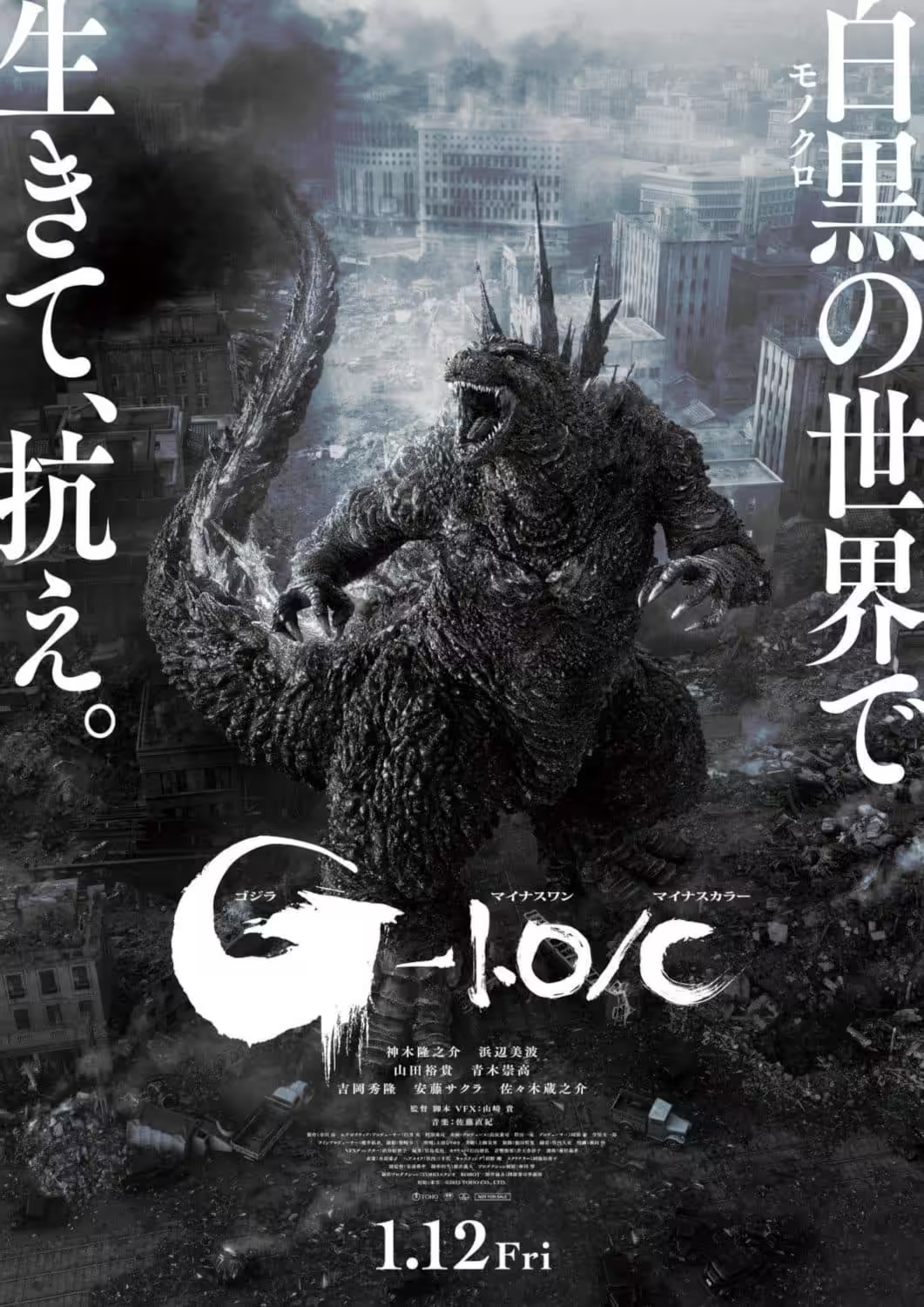
Why is it called Godzilla Minus One?
So why the title is called “Godzilla Minus One” is because it references Japan’s dire state after World War II.
The country, already devastated by the war and the atomic bombings of Hiroshima and Nagasaki, was metaphorically down to “zero” (likely even a reference to ground zero).
In the film, Godzilla’s arrival plunges Japan even further, hence “minus one” in the title (or -1, or negative one).
What the title speaks to is Japan’s helplessness, as the monster’s rampage represents an additional blow to an already suffering nation following the atomic bombs and loss in WWII and the state of the country.
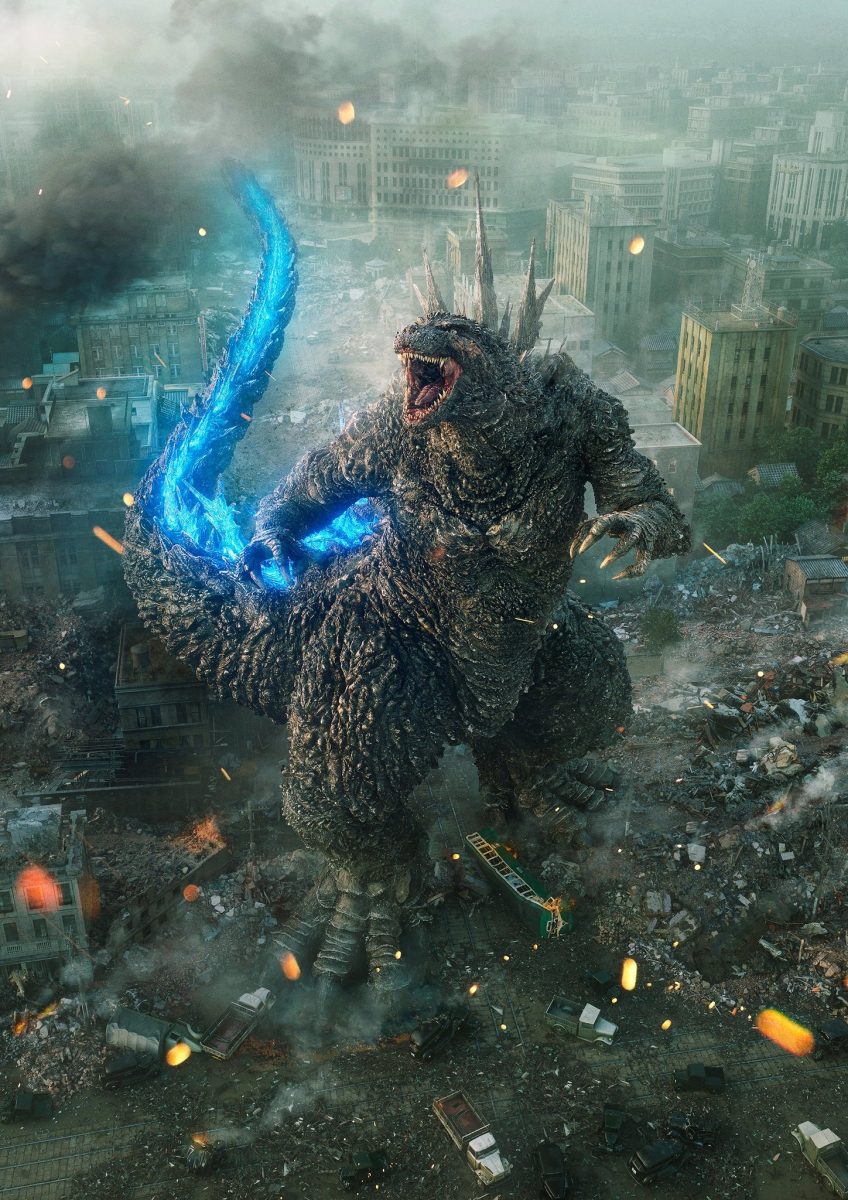
Symbolism of Godzilla In Minus One
Historically, Godzilla has always been an allegory for atomic and nuclear devastation.
In Godzilla Minus One, the monster once again symbolizes the terror of warfare, destruction, and nuclear power. Unlike the more heroic and anti-hero depictions of Godzilla in the recent American movies (especially Godzilla x Kong), the film made by Japanese filmmakers brings back the darker, more destructive Godzilla from Japan’s earlier and original movies.
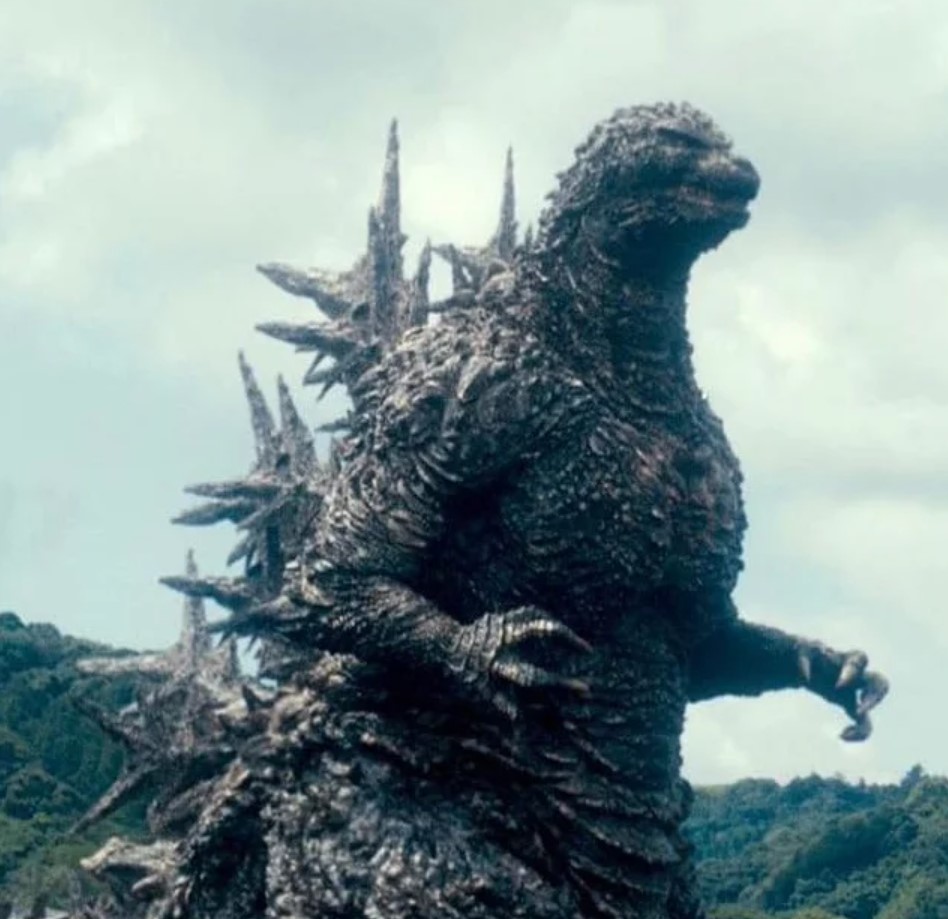
How the title ties into the story
In Godzilla Minus One, Godzilla is no longer a protector, an anti-hero, or a misunderstood creature, but is a complete force of destruction, just as the atomic bombs were at the time.
His actions devastate the already weakened country, aligning with the title’s concept of pushing Japan below its lowest point (again — below zero, Japan becomes a “negative one”). This shift in portrayal heavily emphasizes the destructive force and terrifying nature of Godzilla, reinforcing the deeper meaning behind the film’s title.
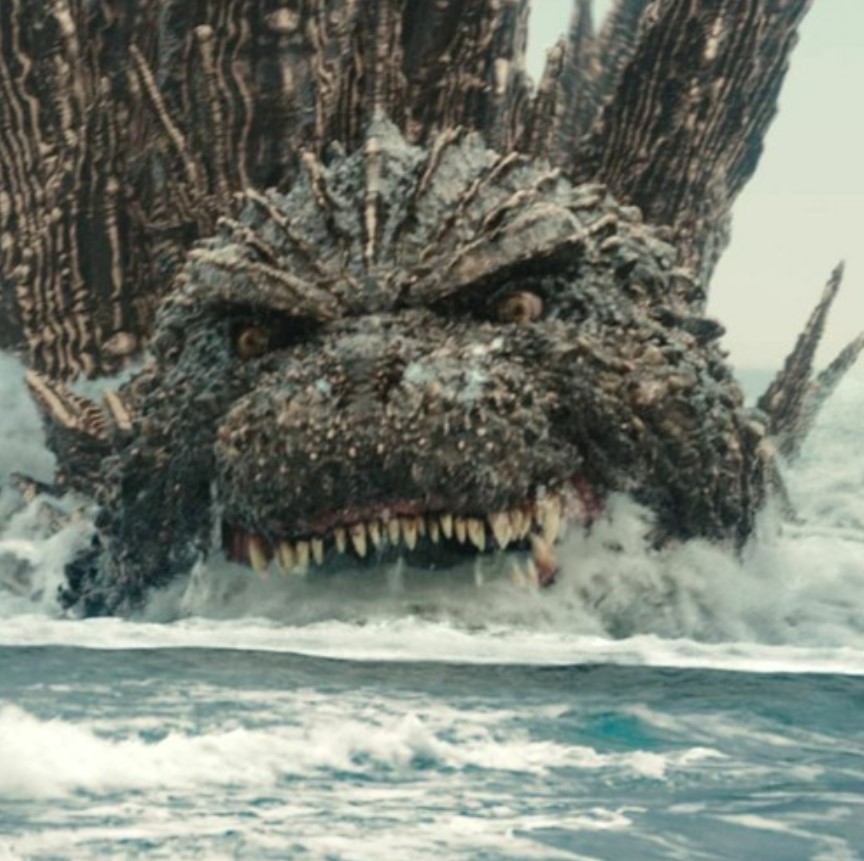
How Godzilla Minus One differs from other Godzilla titles
Most Godzilla films as of late have more straightforward titles, such as Godzilla: King of the Monsters or Godzilla vs. Kong, which directly describe the movie’s plot. And again, Godzilla x Kong is basically a superhero movie, akin to Marvel meets the WWE.
Godzilla Minus One, however, takes a more darker and metaphorical approach, setting it apart from other films in the overall franchise. The title isn’t just about a battle between monsters — it reflects the broader themes of destruction, loss, and national despair, something more personal to Japan and its citizens.
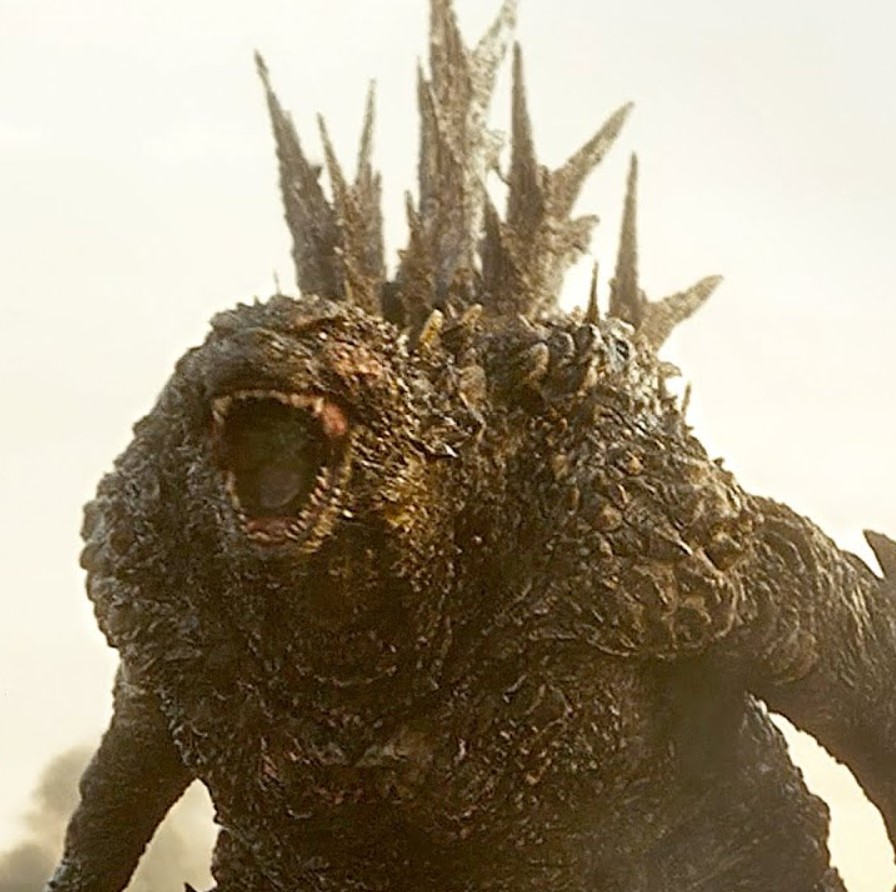
Why the title is so fitting: also predates first Godzilla 1954 movie
Godzilla Minus One perfectly encapsulates the film’s themes of destruction and survival, and now that the title is explained and understood, even more so.
The movie doesn’t just show Godzilla’s rampage, it ties the kaiju’s devastation to Japan’s struggle in a post-war World War II era.
What the title does is summarize the hopelessness and terror that permeates the movie, making it one of the most meaningful and thematically resonant titles in Godzilla’s long history, if not in the entire history of movie fandom.
Director Takashi Yamazaki also pointed out the film is “minus one” because it technically predates the original 1954 movie.
“The biggest [meaning] is how people rise up from a postwar Japan that is at zero, and then Godzilla arrives, making the situation even worse and more tragic,” Yamazaki revealed at the Toho 2023 press conference. “It is set even before the time of the original Godzilla, so in that sense it is also a ‘minus one.’ It is also a ‘minus one’ in the sense of a run-up — a pull-back [that allows you to] get back on your feet in the face of difficult times. It can also be a ‘minus one’ of losing something, and I hope that people will feel the various meanings in this film as they watch it.”