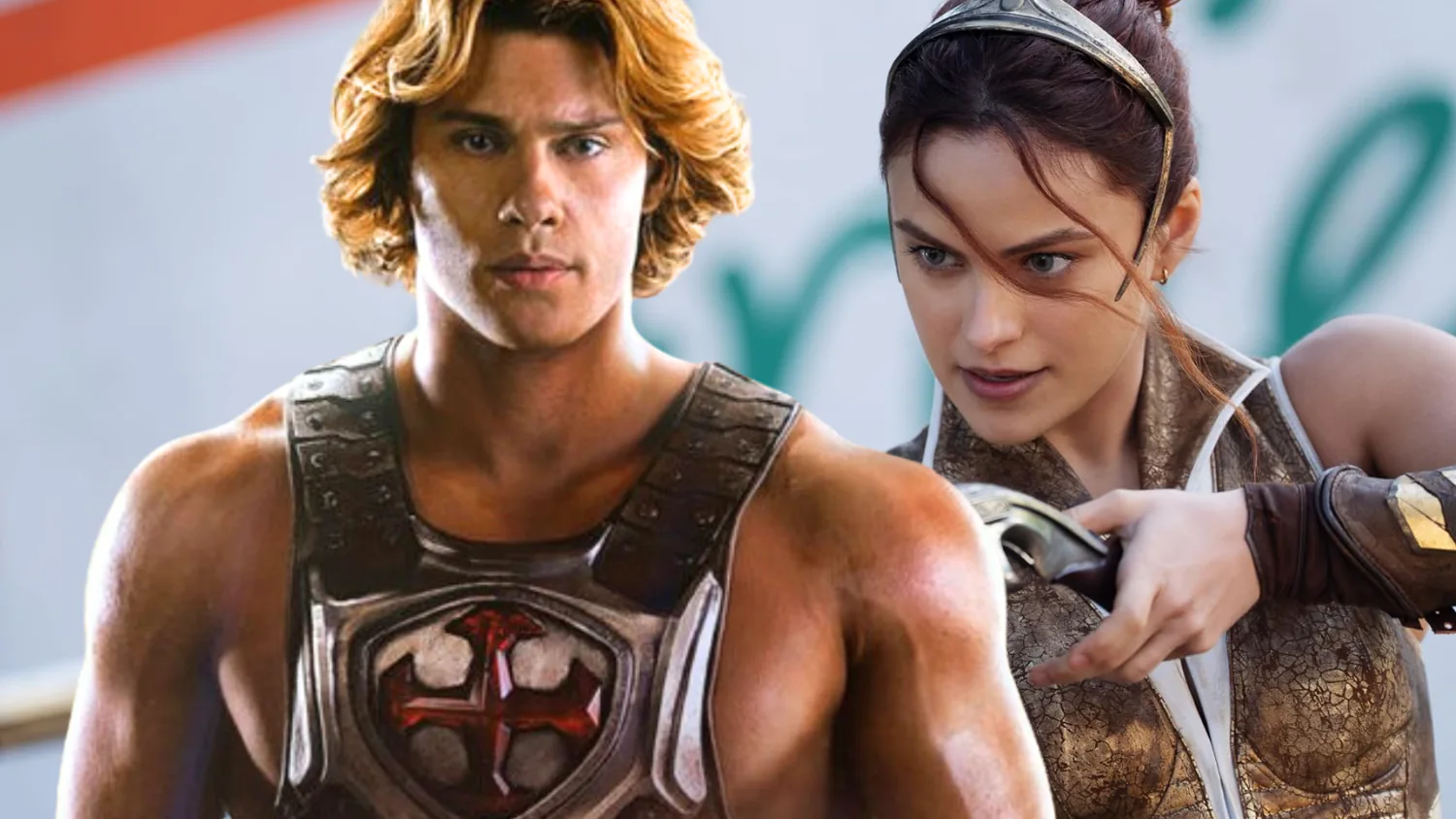
Masters of the Universe is looking even softer than its already-disappointing opening suggested, and the audience data helps explain why the Barbie bet failed.
Per Deadline, the He-Man reboot came in lower at $11.7 million for previews and its first Friday.
Amazon MGM still believes there is a path to around $30.1 million for the weekend, which is where the low end of tracking sat, but others see it landing lower. Things depend on walk-ups over the weekend. The foreign gross is also reported at only $20 million, which means a worldwide opening of only $50 million.
Either way, a sub-$30 million start for a movie carrying a reported $170 million production budget would be a serious problem, and it only deepens the flop we broke down over the weekend.
The Audience Was 68% Male
This is the number that jumps out.
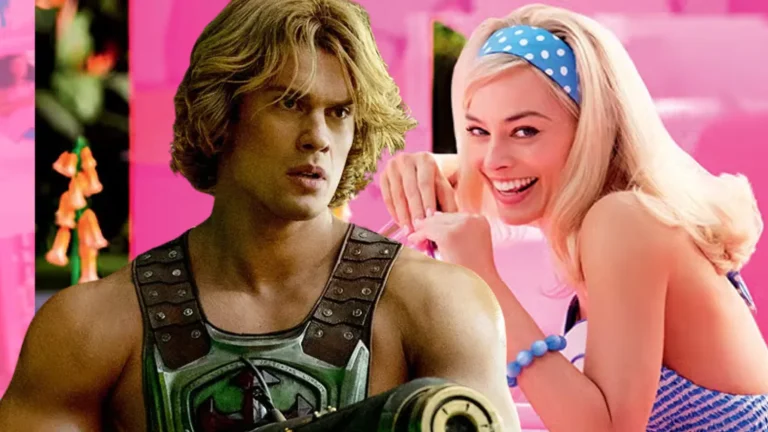
As we explained in our breakdown of why Masters of the Universe tanked, Amazon and Mattel chased the Barbie playbook, betting a male-skewing action property could appeal to all four major audience groups, the broader “four-quadrant” crossover crowd consisting of men under 25, women under 25, men over 25, and women over 25.
The early demographics say otherwise.
According to Deadline, the audience was 68% male. Dads outnumbered moms 71% to 29%. Among kids under 12, boys led girls by a massive 82% to 18%.
That is not a Barbie-style crossover. That is the core male He-Man audience showing up, while everyone else mostly stayed home.
The Barbie Bet Did Not Pay Off
The entire point of the Barbie comparison was supposed to be expansion.
Barbie turned a toy brand into a massive pop-culture event by bringing in women, casual moviegoers, younger audiences, older audiences, and people who had no real attachment to the toy line. It became bigger than the brand itself.
Masters of the Universe did not do that.
The demographics show a movie playing mostly to the audience He-Man already had. That is a major problem when the strategy was built around making the property feel bigger, broader, and more accessible than the old 1980s fanbase.
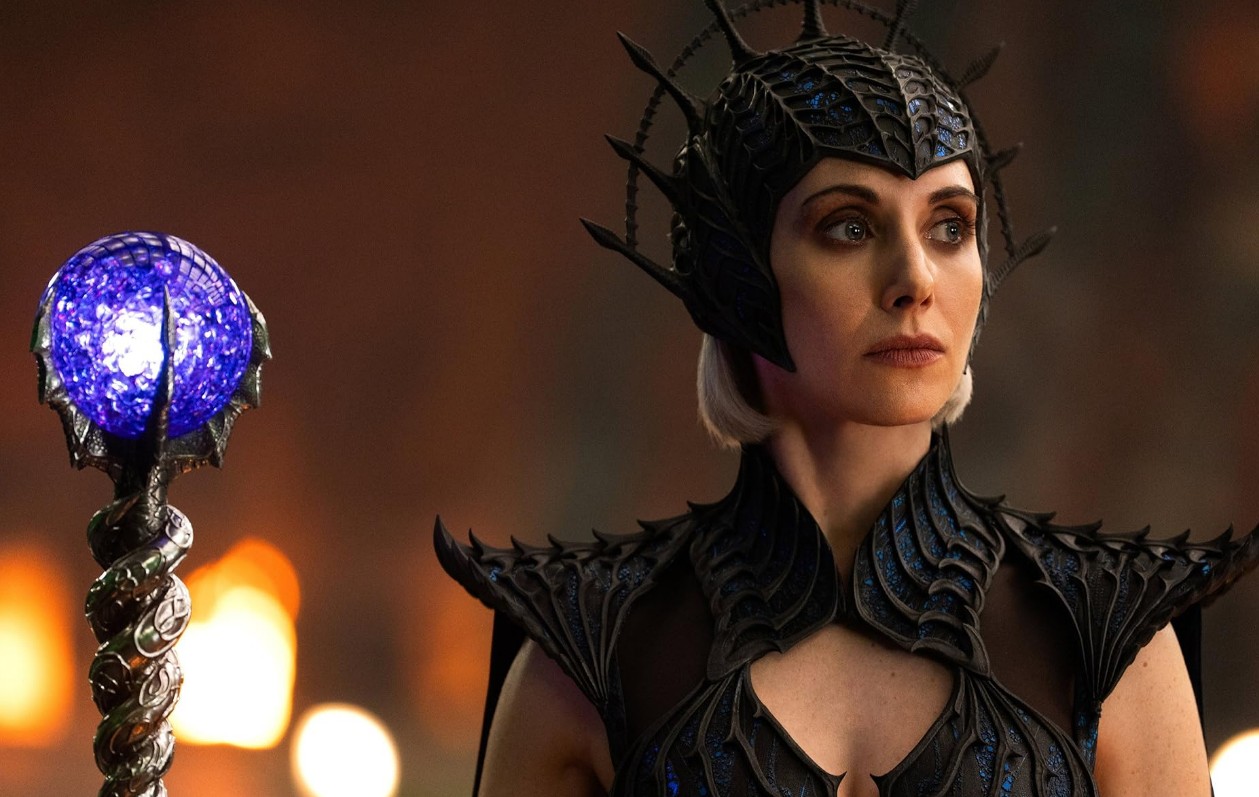
He-Man is a male-skewing sword-and-sorcery action property. The audience data now backs that up. The mistake was thinking the Barbie formula could simply be dropped on top of it and produce the same result.
They Wanted A New Generation And Did Not Get One
The other big miss is younger viewers.
Part of the pitch for relaunching Masters of the Universe was introducing He-Man to a new generation, likely with the hope of also sparking a fresh wave of Mattel toy sales around the revived action figure line.
That does not appear to have happened.
Deadline reports kids under 12 made up just 4% of the opening-night crowd. The audience skewed heavily older, with 57% over 35 and 36% over 45.
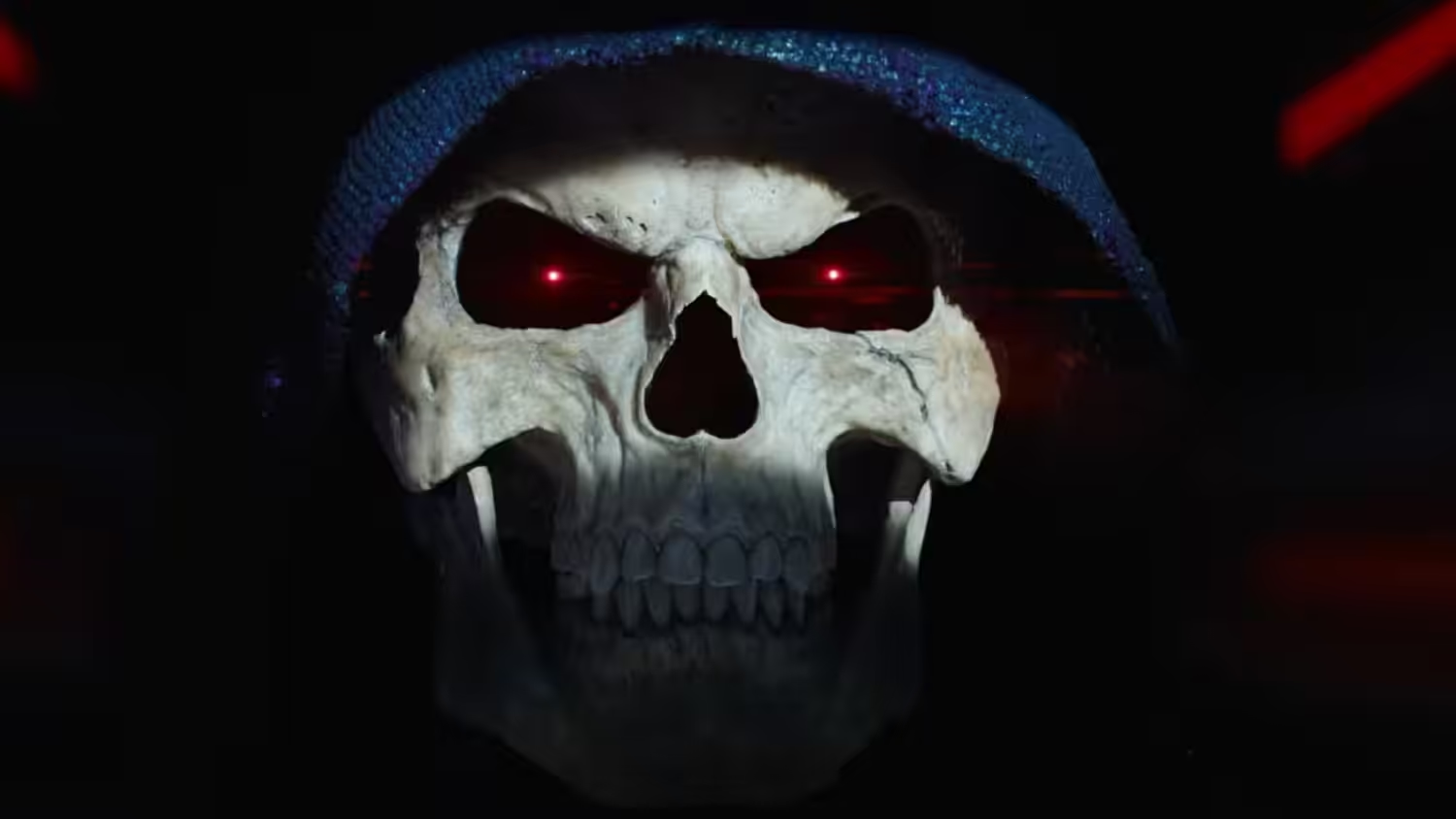
In other words, the movie drew the nostalgia crowd that grew up on the 1980s Filmation cartoon, but failed to recruit the younger viewers it needed to turn He-Man into a modern theatrical franchise.
The Marketing Missed The Young Crowd
The “missed the young audience” problem now has a clearer explanation.
Per Deadline, Masters of the Universe ran spots during the NBA, the Winter Olympics, SportsCenter, and La Casa de los Famosos.
That is a traditional TV-heavy buy, and it helps explain the disconnect. The younger, cord-cutting moviegoers who turned out this year for Minecraft, Obsession, and Backrooms are not sitting around waiting for linear TV spots.
As I noted in the flop breakdown, my own 18-year-old never saw a single promo. He lives on YouTube, and when he watches the NBA, he is usually scrolling his phone through the ads.
The campaign existed. It just does not look like it landed where it needed to land.
The Audience Scores Do Not Save It
The studio does have a few audience numbers it can point to, but they do not change the bigger problem.
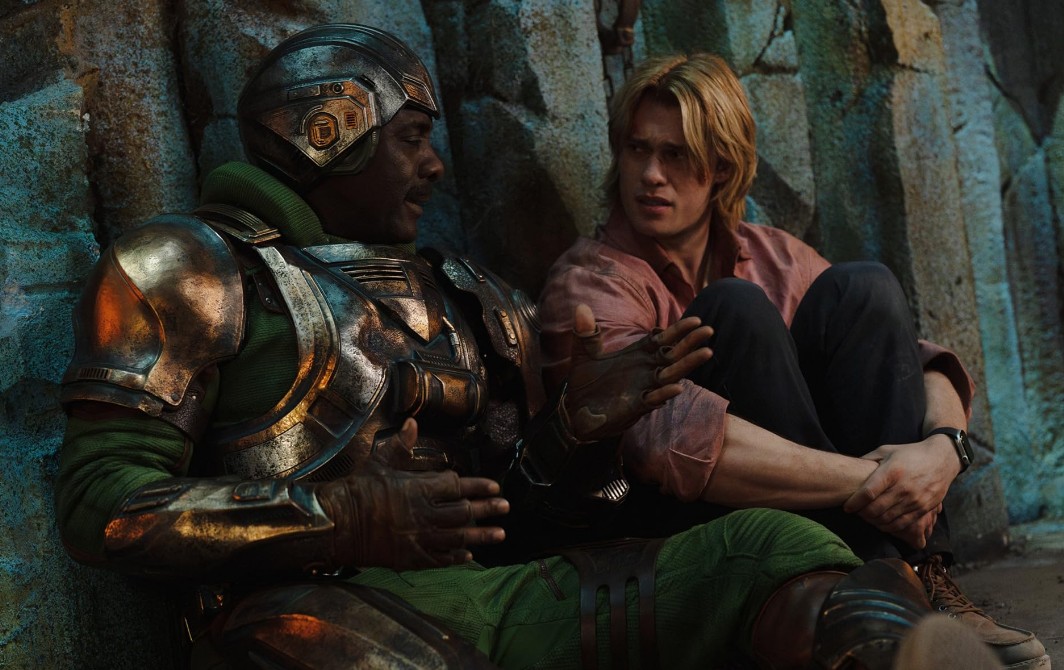
Masters of the Universe earned a B CinemaScore, a 64% definite recommend from general audiences, and 57% called it a must-see right away. On Rotten Tomatoes, it sits at 66% from critics and 87% from fans.
None of that is especially strong for a $170 million PG-13 fantasy adventure trying to launch a major franchise. A B CinemaScore might be acceptable for a horror movie, where audiences are often harsher, but for a big family-friendly action movie, it points to mixed word-of-mouth at best.
The fan score sounds better, but it also reflects the people who actually bought tickets. The problem is there were not nearly enough of them.
The kid score sounds better on paper, with children under 12 reportedly giving the movie 96% in the top two boxes. But kids under 12 made up only 4% of the audience, which makes the number almost meaningless as a box office lifeline.
If anything, it proves how badly the marketing missed. The group that liked the movie most barely showed up.
IMAX and premium large-format screens made up 44% of the weekend, and the film is playing best across the South, South Central, and Mountain regions, with AMC Burbank its top-grossing site at north of $47,000.
Those numbers suggest the movie was not universally rejected by the people who bought tickets. But they also reinforce the bigger problem: the audience was too small, too male, and too old to save a $170 million movie.
He-Man Needed More Than Nostalgia
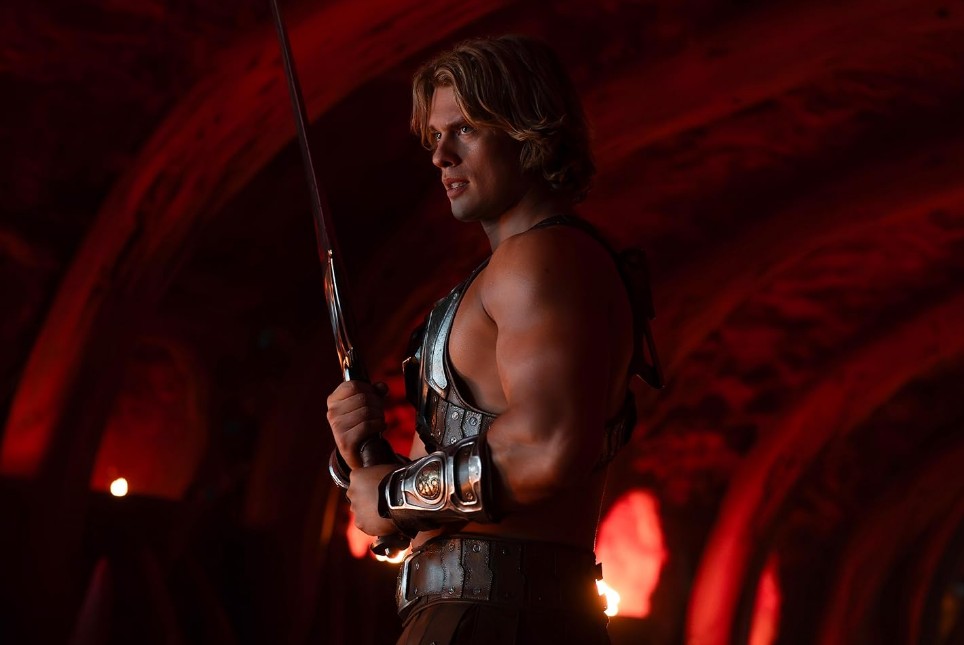
The reviews were mixed, which lines up with our own reaction. We gave Masters of the Universe a 5 out of 10. The movie has moments, but the tone is uneven, the jokes constantly undercut the epic scenes, and it never fully becomes the He-Man movie fans wanted.
A roughly $30 million domestic start does not summon the power of Grayskull on a $170 million budget. Overseas numbers will show how deep the hole really is – already said to have been underperforming as of late Thursday night – but the demographic breakdown has already answered the bigger question.
The Barbie bet that helped get Masters of the Universe made is the same bet that helped sink it.