Netflix’s takeover of Warner Bros. Discovery keeps revealing more about what the streamer actually values, and what it doesn’t.
First, Kotaku questioned whether Netflix viewed Warner Bros. Games as essentially worthless after reporting that Netflix didn’t assign meaningful value to the division during the bidding process.
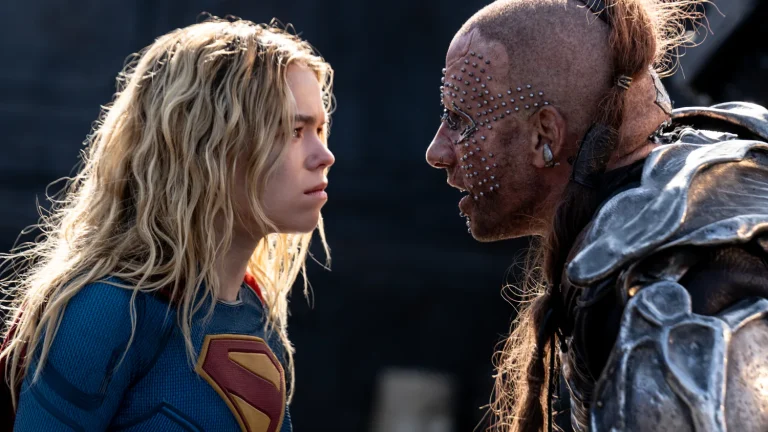
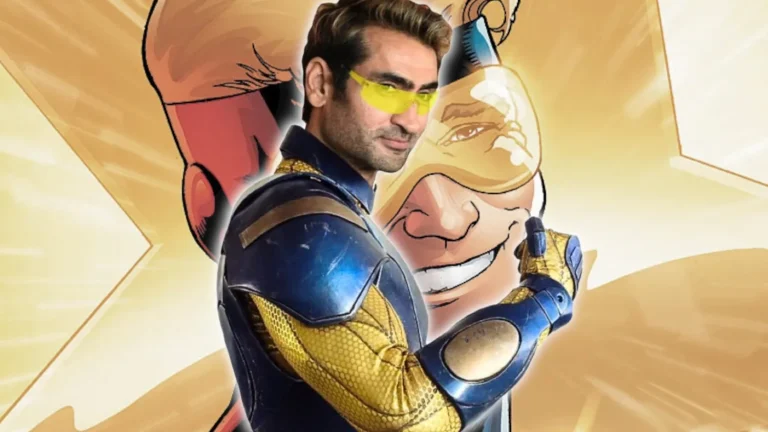
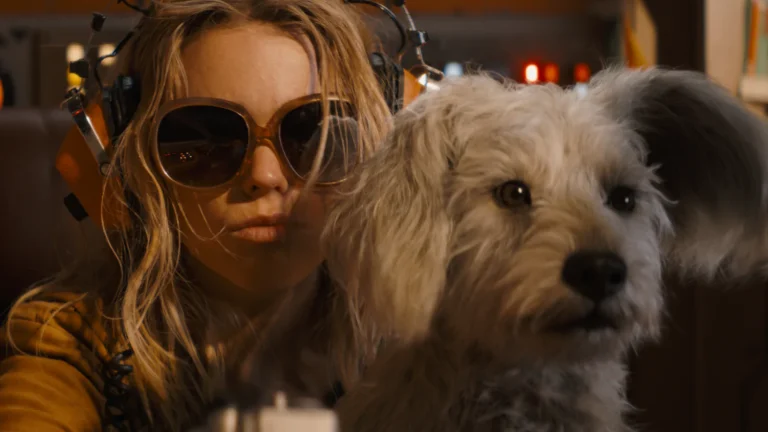
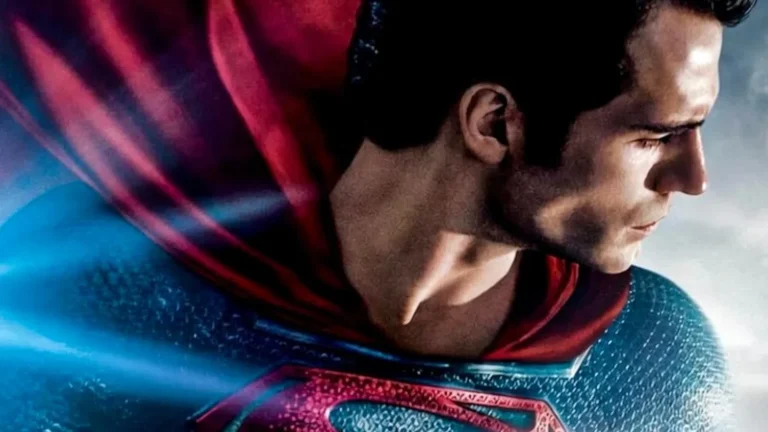
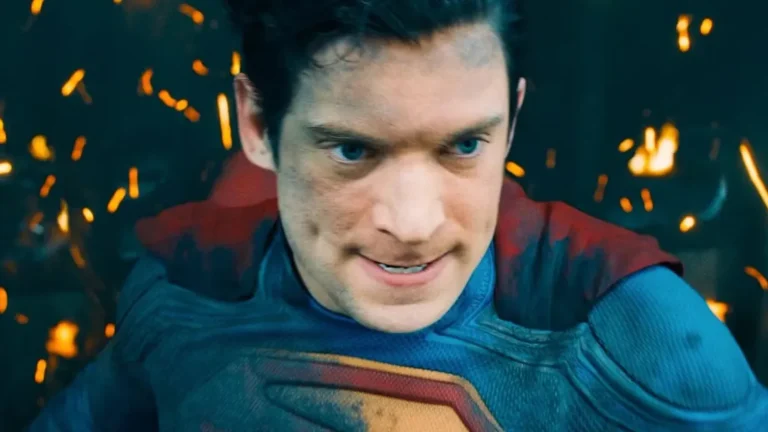
Now it appears the dismissive attitude might extend further, because Netflix also didn’t mention James Gunn or the DCU when discussing what excited them about their new DC properties.
WB Games Left Out Of The Pitch
Warner Bros. Games includes some of the biggest console franchises in the industry, from Mortal Kombat to the Batman Arkham titles to Hogwarts Legacy.
Yet Netflix’s leadership publicly downplayed the division while explaining the acquisition, describing it as minor in the “grand scheme.”
Kotaku highlighted how strange it was to treat a slate of proven, bestselling franchises like they barely register. It raises questions about whether Netflix intends to support AAA development or pivot the studios toward cheaper, mobile-style output.
And James Gunn’s DCU Was Missing Too
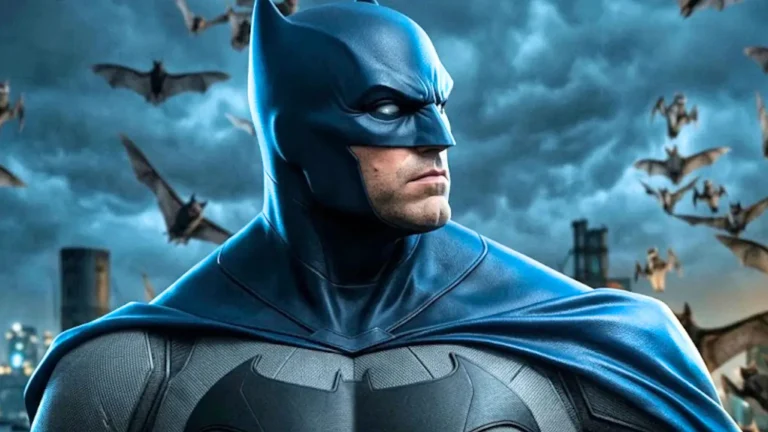
The exclusion didn’t stop with games. During Netflix’s presentation, Ted Sarandos highlighted Matt Reeves’ Penguin series as a major DC asset heading to Netflix’s platform.
But he didn’t mention Gunn, the DCU slate, any upcoming DCU movies, or the broader shared-universe reboot Warner has been building for years.
The silence stands out because if Netflix truly saw massive value in the DCU, it would have been front and center. Instead, the only DC project singled out was Penguin, which sits outside Gunn’s continuity.
What The Silence Suggests
Netflix calling WB Games insignificant and overlooking the DCU entirely paints a clear picture.
The streamer is prioritizing grounded, prestige spinoffs like Penguin while downplaying the more expensive, interconnected plans that Gunn has been developing.
If Netflix didn’t think WB Games added value and didn’t feel the DCU was worth hyping, fans may have to prepare for both to be reshaped, scaled back, or quietly sidelined under new ownership.