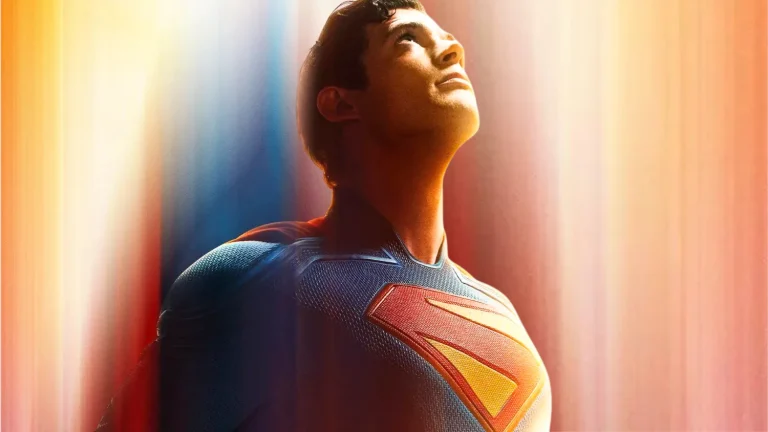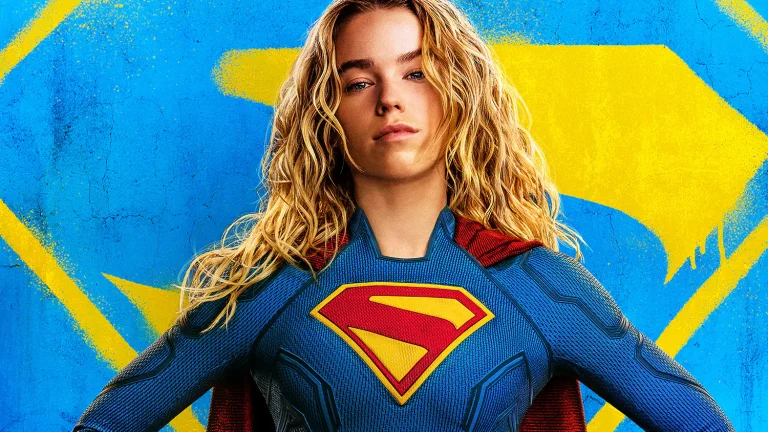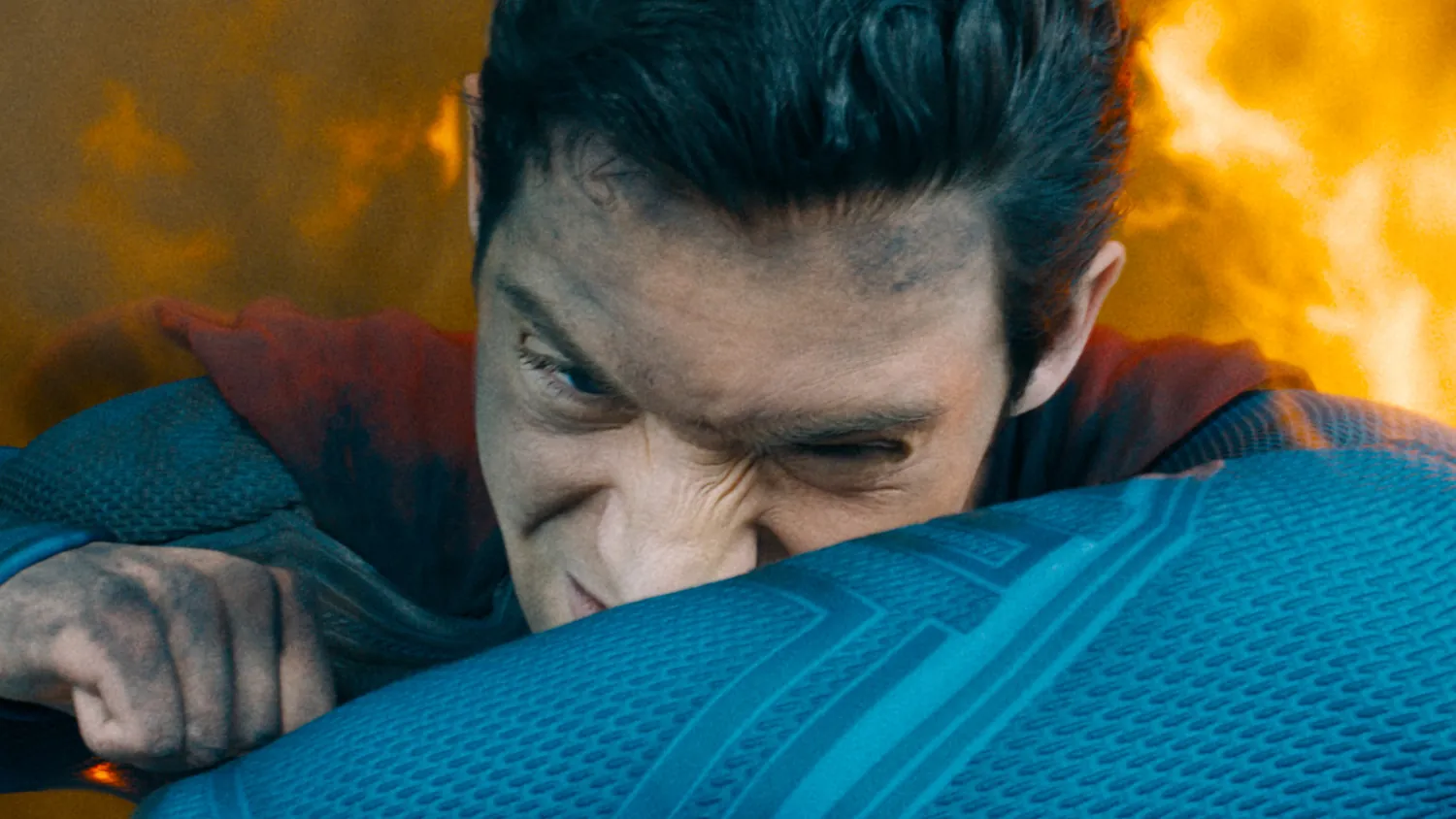
Six months later, the verdict is in, and while James Gunn’s Superman didn’t bomb, it definitely underdelivered.
In a new 2025 box office recap, Puck News’ Matthew Belloni (former head editor of THR) describes Warner Bros.’ superhero reboot as drawing “a mostly indifferent overseas reception,” while it “grossed a decent but hardly remarkable $617 million worldwide.”
That includes a strong $356 million domestic haul off a $125 million debut, but international turnout never picked up.
The worldwide number trails not just other comic book films; the article points out that Superman came in below How to Train Your Dragon, the F1 movie, and Demon Slayer: Infinity Castle.
Not exactly what you’d expect for the launch of a brand-new DC Universe.
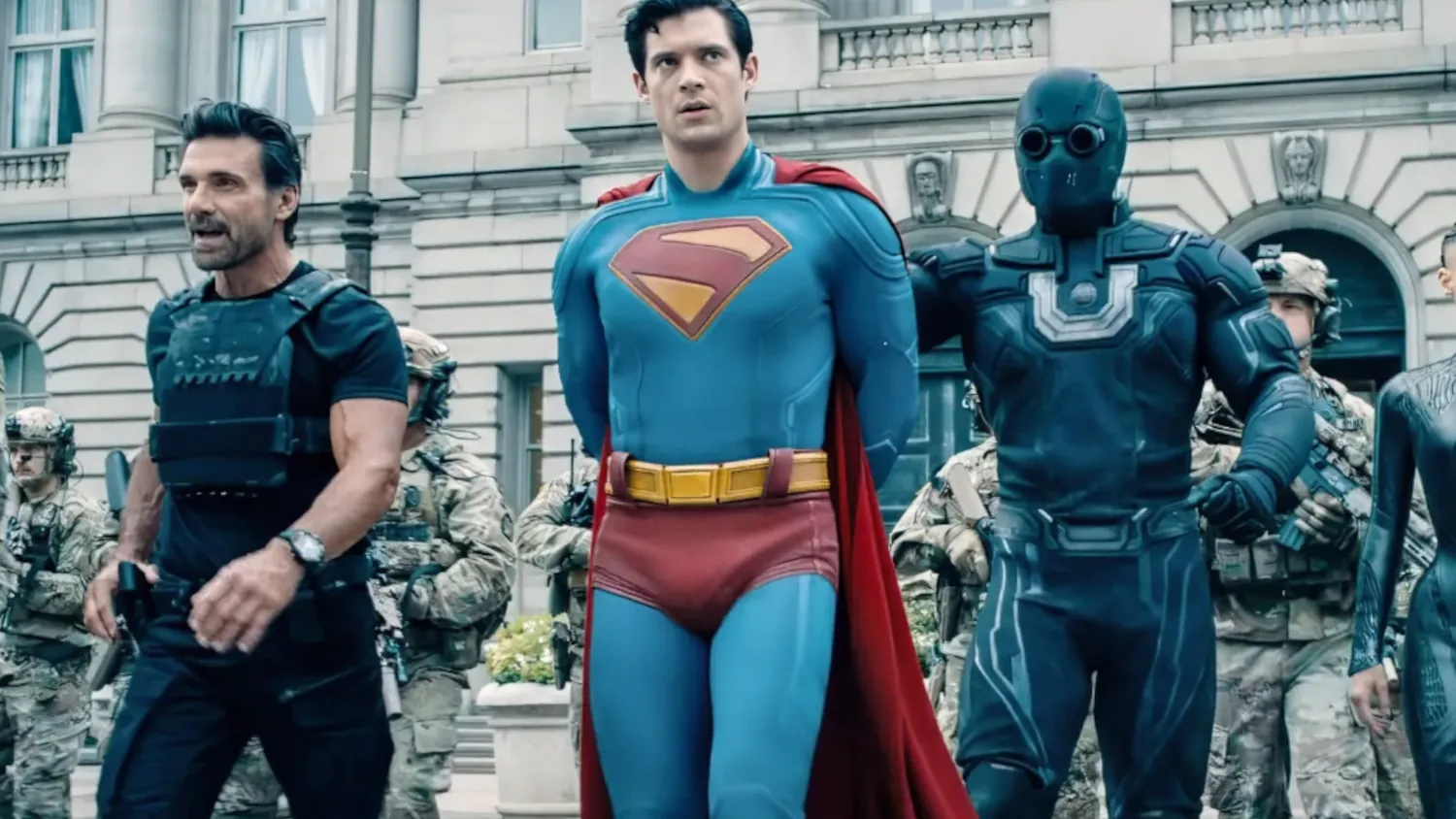
Global Audiences Rejected Gunn’s Lighter, Politicized Take
That underperformance overseas tracks with what our insiders and international fans have been saying since the first trailers dropped: James Gunn’s Superman simply doesn’t resonate.
Foreign audiences—especially in China—long connected with Zack Snyder’s more serious, mythic tone in the DCEU. But Gunn’s take? Viewers saw it as a goofy reboot with political messaging baked into the narrative.
Multiple immigrant fans and international viewers pointed us to the now-infamous Kaiju scene, where Superman abandons an Asian civilian on a rooftop. To them, it felt like a slap in the face—mockery, not heroism.
And the subplot involving fictional nations at war came across as thinly veiled commentary on American foreign policy, something that has never played well in superhero films outside the U.S.
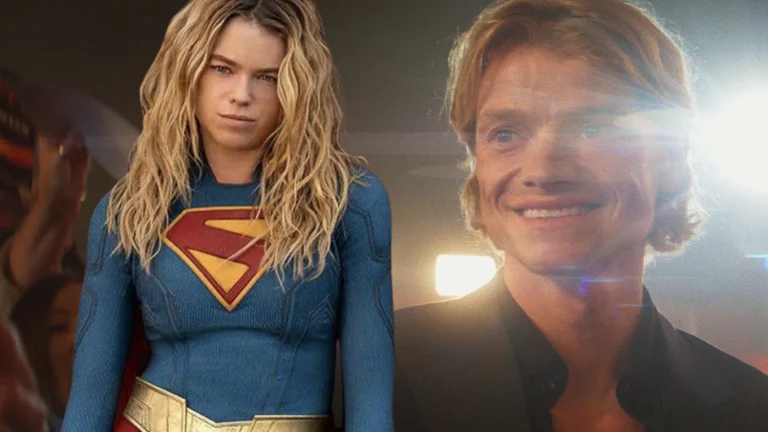
Gunn’s Lex – who Gunn openly admits he identifies with over Superman – murders an immigrant right in front of Superman, who is powerless to stop it.
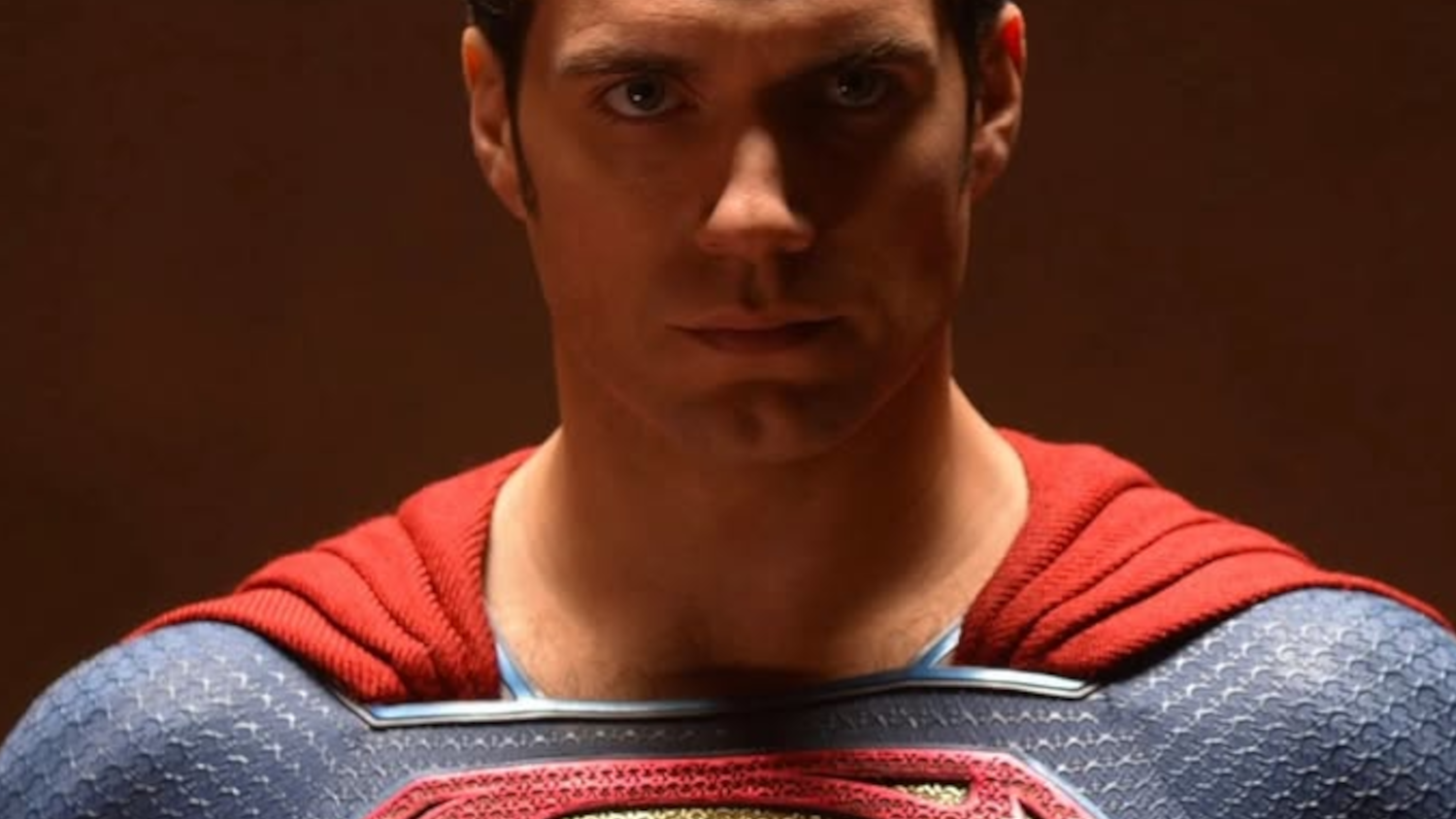
Snyder’s Superman Still Resonates Globally
It’s not just about tone, it’s about storytelling.
Snyder’s Superman was portrayed as a hopeful immigrant and a mythic protector. Gunn’s version, some felt, inverted that symbolism. By changing Jor-El’s arc and inserting quirk over clarity, the film alienated many who once found meaning in Kal-El’s origin (why would Gunn’s Superman wear his family crest knowing what he knows???).
Fans online, particularly in Asia, have been blunt in their reaction. They preferred the stakes, drama, and visual gravity of Snyder’s DC films. Snyder’s Man of Steel and Batman v Superman may have divided critics, but they united global audiences, especially in China, where both films performed strongly.
Gunn’s Superman didn’t get that response—because it didn’t offer the same sense of grandeur.

The Era of Superhero Domination is Over
The industry seems to be waking up to the new reality: superhero movies are now just like any other franchise. Execution and character matter more than the logo.
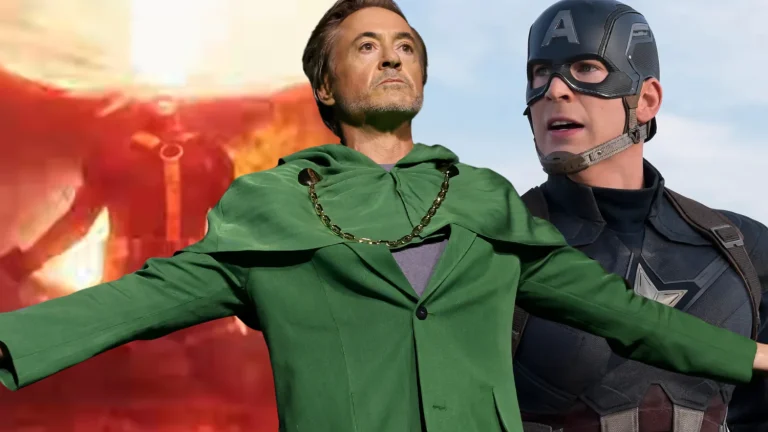
Belloni points out that we’re no longer in the era of guaranteed billion-dollar capes and cowls. Even with Avengers: Doomsday and Spider-Man: Brand New Day on the horizon, the genre’s dominance is clearly behind it.
And unless DC recalibrates, audiences—especially outside America—may continue to check out.