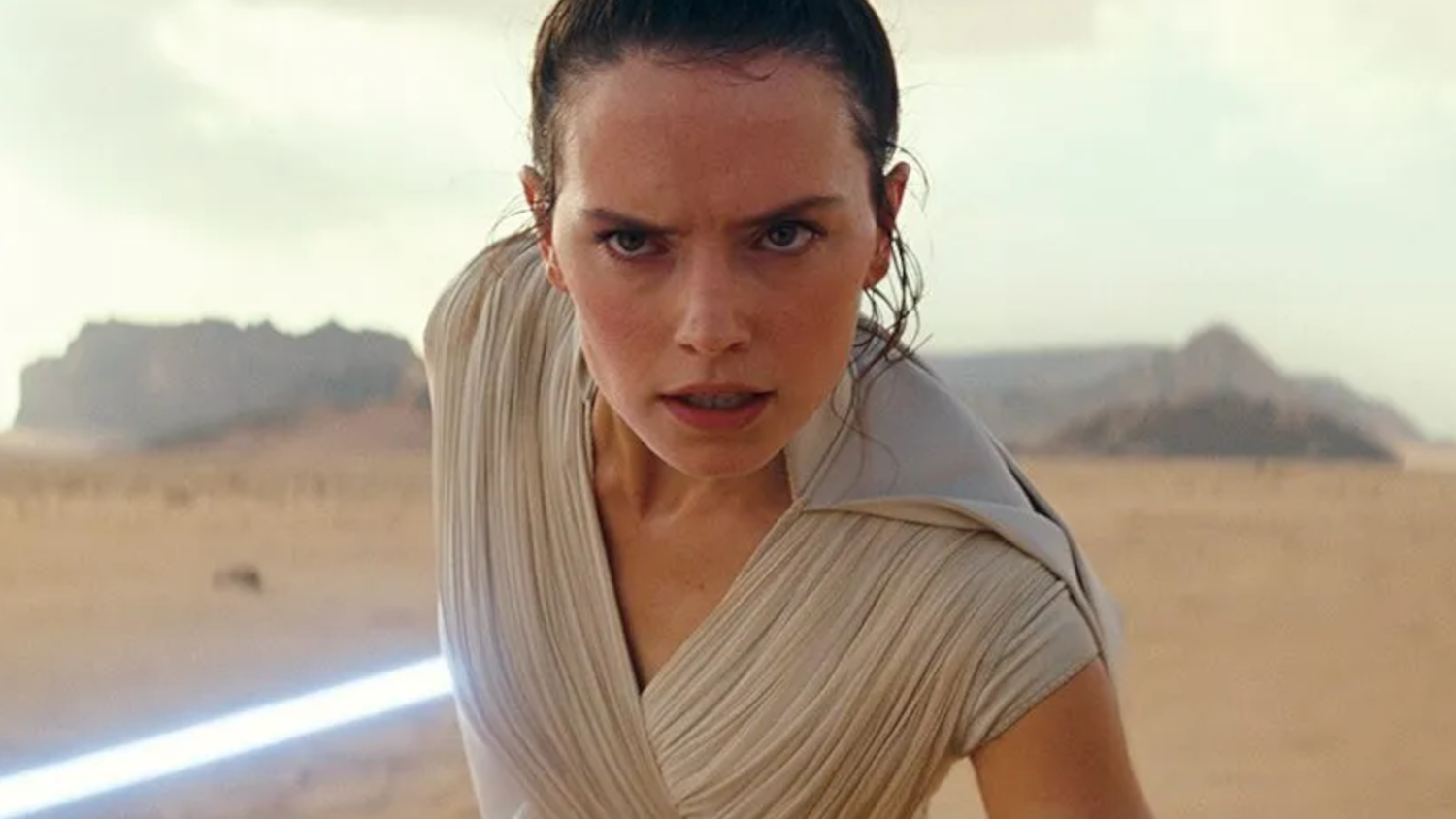
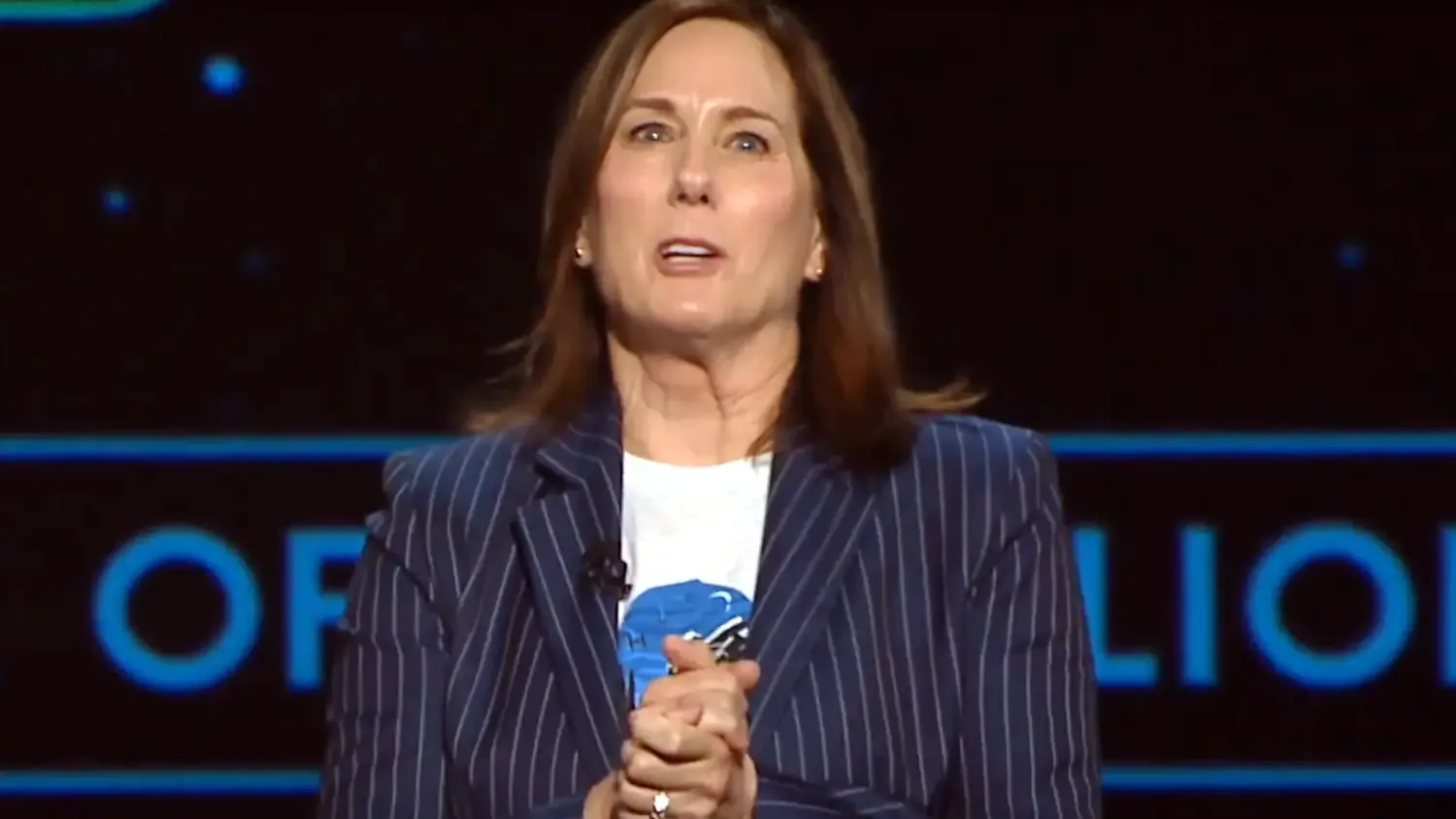
As Kathleen Kennedy exits Lucasfilm, she’s pointing to fans as the source of Star Wars’ biggest “lows.”
In her Deadline exit interview, when asked about the Star Wars highs and lows, Kennedy responded about the lows and claimed that only a “very, very small percentage” of the Star Wars fanbase caused the backlash that defined much of her tenure.
According to Kennedy, these fans simply wanted “the same thing” and were impossible to satisfy if Lucasfilm chose to go in new creative directions.
“The lows are that you’ve got a very, very small percentage of the fan base that has enormous expectations,” Kennedy said, adding that she wouldn’t change any of the creative decisions she made while running the studio.
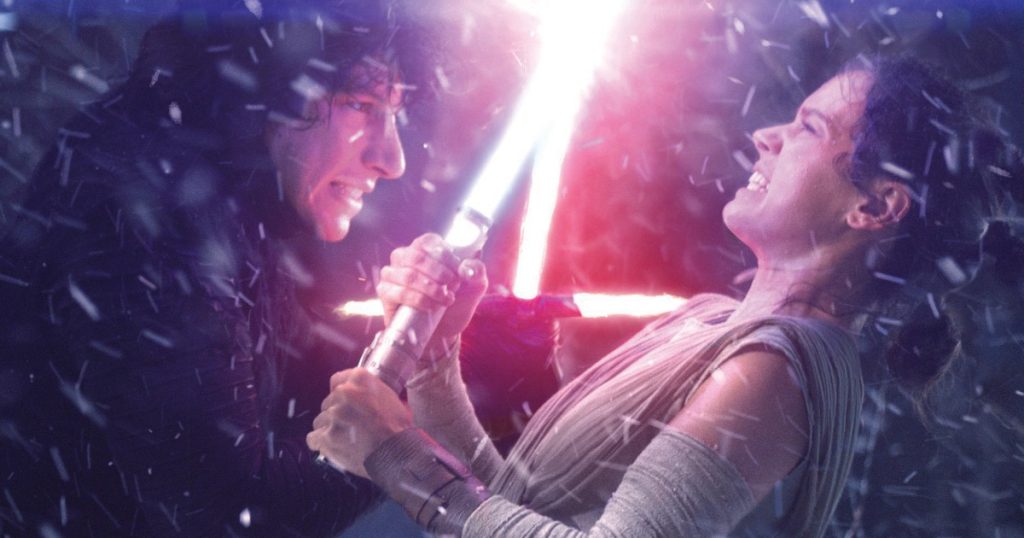
A “Small” Group That Shut Down Star Wars for Years
However, Kennedy’s comments immediately raise a credibility problem.
If the backlash truly came from a tiny minority, it’s hard to explain why Star Wars effectively disappeared from theaters for seven years after The Rise of Skywalker.
It also doesn’t explain why Lucasfilm reduced budgets and content on Disney+.
Disney didn’t pause theatrical releases and reduce content because of a fringe audience. The hiatus followed declining box office returns, stalled projects, and sustained audience pushback from a majority of fans.
Studios don’t freeze billion‑dollar franchises because of a small number of loud voices online.
The Last Jedi Contradiction
Kennedy’s own interview also undercuts her argument.
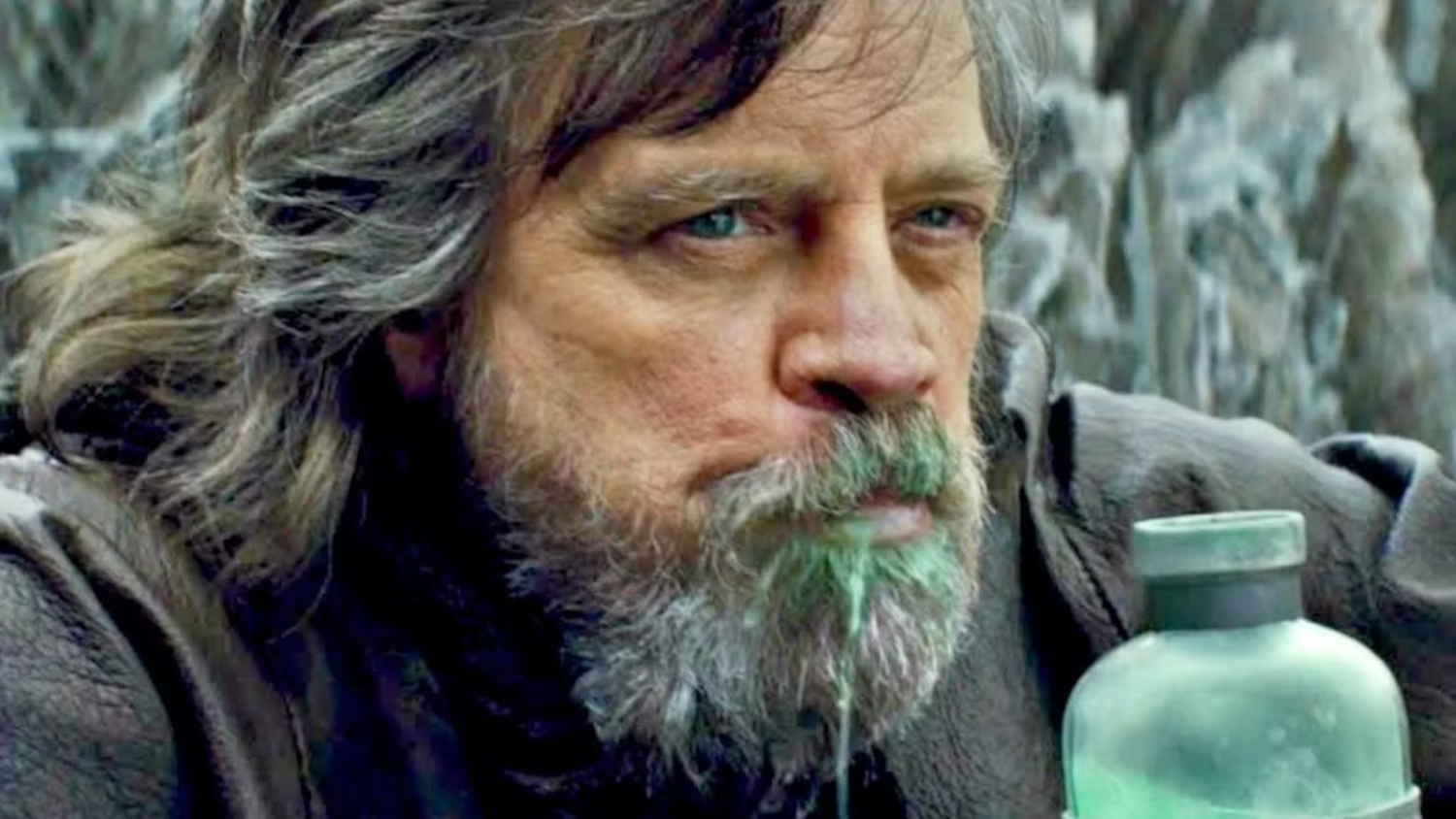
Later in the same conversation, she admitted that the reaction to The Last Jedi played a major role in driving Rian Johnson away from Star Wars.
Despite The Last Jedi earning $1.3 billion worldwide, Kennedy said Johnson was “spooked” by online negativity after the film’s release.
If the backlash was insignificant, why did it derail Johnson’s planned return to the franchise?
That admission suggests the criticism had real consequences—impacting filmmakers, future projects, and Lucasfilm’s long‑term plans.
Or how about she even admits she put Alden Ehrenreich in an “impossible situation” to play Han Solo?
Kennedy Points to Misogyny and Bots
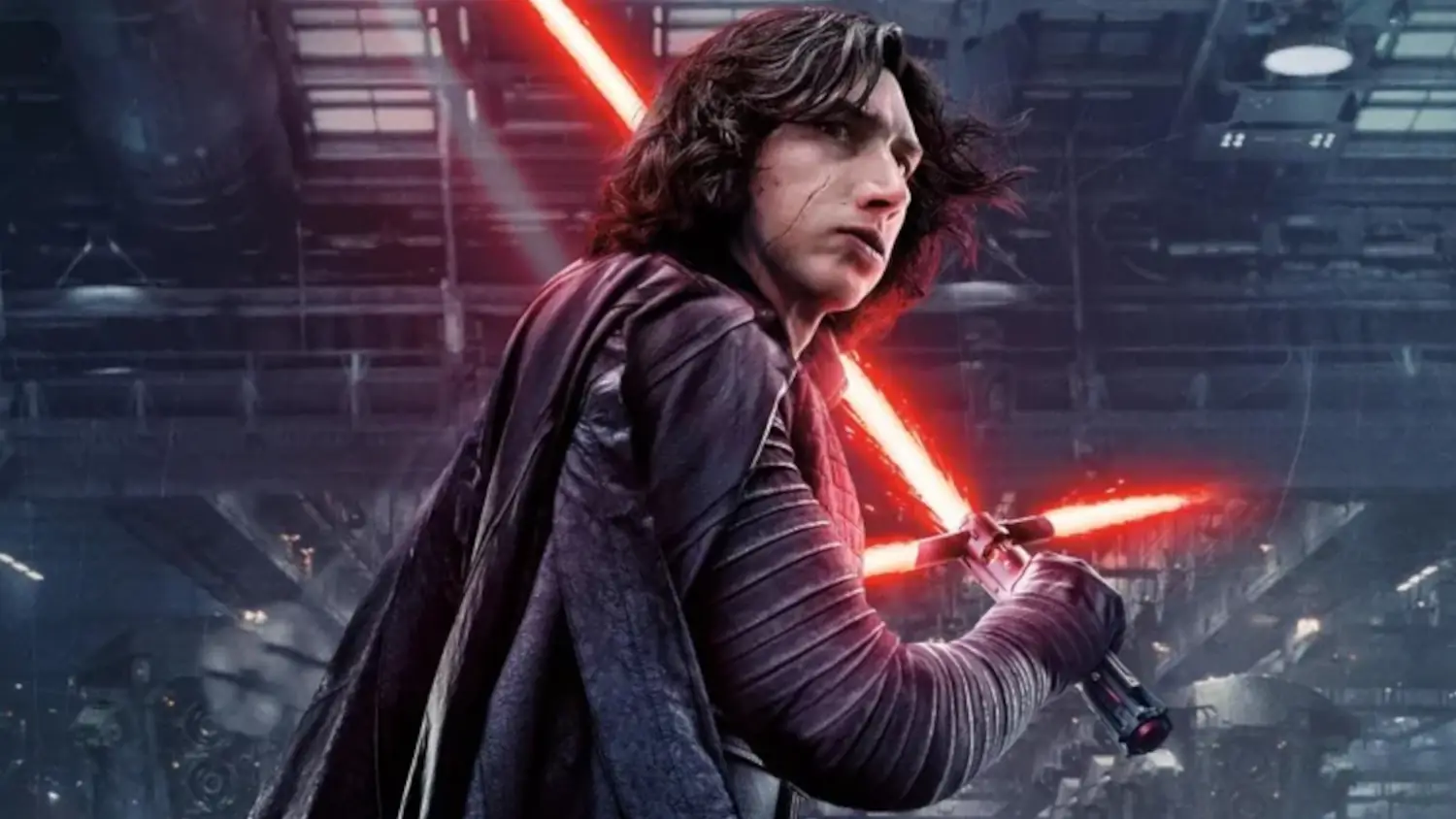
Of course, Kennedy also suggested that online harassment—particularly toward women—has played a major role in shaping the climate around Star Wars.
She said she gives female filmmakers a heads-up when they join the franchise:
“I’m honest, especially with the women that come into this space because they unfairly get targeted. I don’t try to sugarcoat it. And I emphasize that it’s a very small group of people, with loud megaphones. I truly do not believe that it’s the majority of the fans. And I think we’re also in this weird world of where bots can affect things. You have to develop a tough skin. That is exactly right. That’s what you have to do. You can’t make it go away.”
Instead of acknowledging widespread dissatisfaction with projects like The Last Jedi, The Rise of Skywalker, or The Book of Boba Fett, Kennedy shifts the blame from herself and reduces the issue to trolls and bots.
It’s clear her “Force is Female” agenda didn’t work out, but that is the fault of the fans, right?
A Narrative That No Longer Holds
By blaming a “small” segment of the audience while simultaneously acknowledging that backlash reshaped Star Wars’ creative future, Kennedy’s exit comments feel at odds with reality.
Star Wars didn’t stumble because fans expected too much; on the contrary, fans expected the bare minimum – something Mark Hamill recently addressed – which Kennedy didn’t deliver.
Under Kennedy, Star Wars stumbled because Lucasfilm didn’t respect the fans or the material.
As Dave Filoni takes over, the bigger question isn’t whether Star Wars can survive vocal fans. It’s whether Lucasfilm can rebuild trust with the audience it once took for granted.