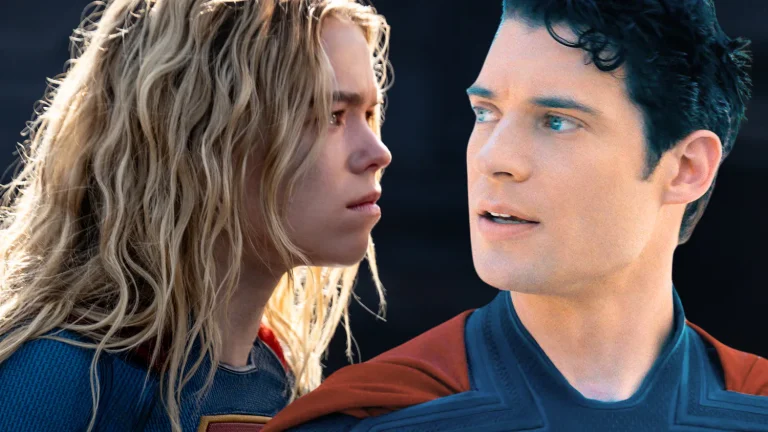
Editor’s note: The following is editorial analysis and opinion.
Supergirl lands in theaters June 26. That’s less than two weeks away, and if you spend any time where DC fans actually talk, the most common reaction right now isn’t praise, and it isn’t hate. It’s some version of: I didn’t know this was coming out.
For a reported $170 million tentpole, eleven days from release, that’s the line that should worry Warner Bros. far more than any review.
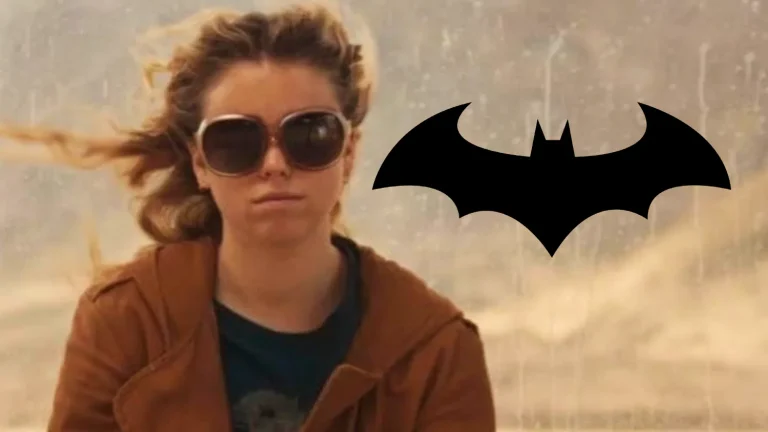
There’s an irony here almost too neat to ignore. Director Craig Gillespie has described this version of Kara as someone “so in her own space,” running from her grief, so checked out that she doesn’t even care that Batman exists. That’s the character. It now also describes the audience.
Warner Bros. has built a movie about a hero nobody can find, and marketed it so quietly that nobody can find the movie. Kara doesn’t know Gotham is out there; moviegoers don’t know Supergirl is. The film’s premise and the film’s problem have started to rhyme.
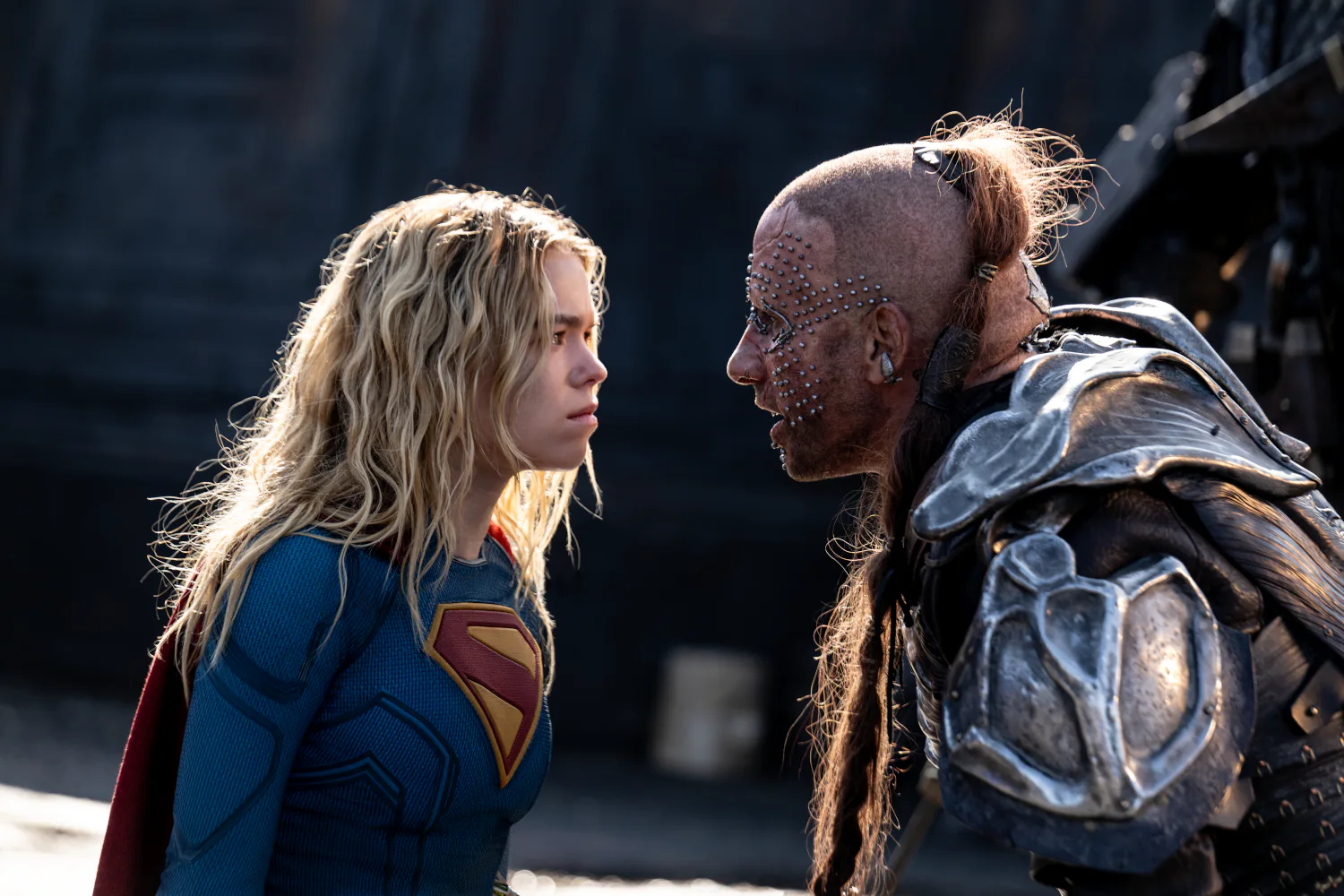
The Complaint Isn’t Coming From the Haters
It would be easy to write this off as the usual pre-release noise. It isn’t. The striking part is who is saying it.
The “where’s the marketing?” reaction is coming from people who are inclined to like the movie, the fans who say the trailer looked good, who think it’s shaping up better than The Flash, who are rooting for Milly Alcock.
These aren’t detractors looking for a reason to skip it. They’re would-be ticket buyers telling you, unprompted, that nobody has given them a reason to show up.
Over and over, the same notes surface: they haven’t seen the ads, they don’t know what the movie is actually about, and nothing has been sold to them beyond a look and a tone.
When the people predisposed to buy a ticket can’t articulate why they’d buy one, that’s not a fandom problem. That’s a campaign problem.

The Ads Exist — That’s Not the Issue
To be fair and accurate: this isn’t a case of literally no marketing.
DC Studios dropped a teaser back in December 2025 — the one with Kara spending her 23rd birthday drinking and dancing alone in the cosmos — and a full trailer followed in April. There have been Fandango summer-preview images, IMAX positioning, spots, and a wave of brand tie-ins.
And that last part is where the real problem comes into focus. The marketing that has broken through leans heavily on lifestyle and brand co-promotion: makeup, haircare, even pet products, all built around a “punk Kara, not your typical hero” aesthetic. It sells a vibe.
What fans keep saying it doesn’t sell is a story — a hook, a stake, a reason this movie matters beyond an attitude and a dog.
Compare that to a year ago. Whatever you thought of Superman, its campaign gave audiences a clear emotional throughline to latch onto.
Supergirl‘s, by contrast, has spent its run leaning on mood — the partying, the road trip, the Krypto factor — without ever landing the elevator pitch.
The source material is there: Tom King’s Woman of Tomorrow is a revenge story with real weight. Almost none of that weight has made it into the marketing that fans actually see. What is it actually about?

Why It Matters Now, Not Later
This lands at the worst possible moment.
Supergirl‘s tracking has been a running story for weeks, with projections cut again and the film charting below The Flash. A campaign that sells aesthetic over story is exactly the kind of campaign that produces soft pre-sales, because vibe doesn’t pre-sell tickets the way a clear hook does.
Tracking already showed awareness climbing while interest stays flat, a pattern a missing campaign only deepens.
And it compounds a pattern we’ve been tracking all year: 2026 audiences, especially younger ones, are checking out on movies that don’t give them a reason to care.
Supergirl‘s problem may not be that it’s another superhero movie. It may be that it’s a superhero movie whose own marketing forgot to tell anyone what it’s about.

The Frustrating Part
Here’s the twist that makes this worth writing: a lot of the fans raising the alarm want this to work.
They liked Alcock’s debut in Superman. They think the footage looks promising. They’re comparing it favorably to the DCU’s last big swing.
The skepticism isn’t about the film, it’s about whether Warner Bros. is going to leave a potentially good movie stranded because it never sold it.
That’s a very different problem from a movie audiences have rejected. A rejected movie is dead on arrival.
An invisible one can still be saved, but only if the studio spends the next eleven days telling people why they should care, instead of which lip gloss matches the suit.
The film may well be good. That’s exactly why the marketing being this quiet, this late, is the real story.
Supergirl opens June 26. For everything you need to know, read our Supergirl 2026 movie guide.