Zack Snyder is back on Instagram with another post that has fans talking, this time sharing an old Justice League poster and calling it “one of the most meta movie posters ever made.”
Snyder added, “Sometimes the poster tells the whole story.”
What Zack Snyder means
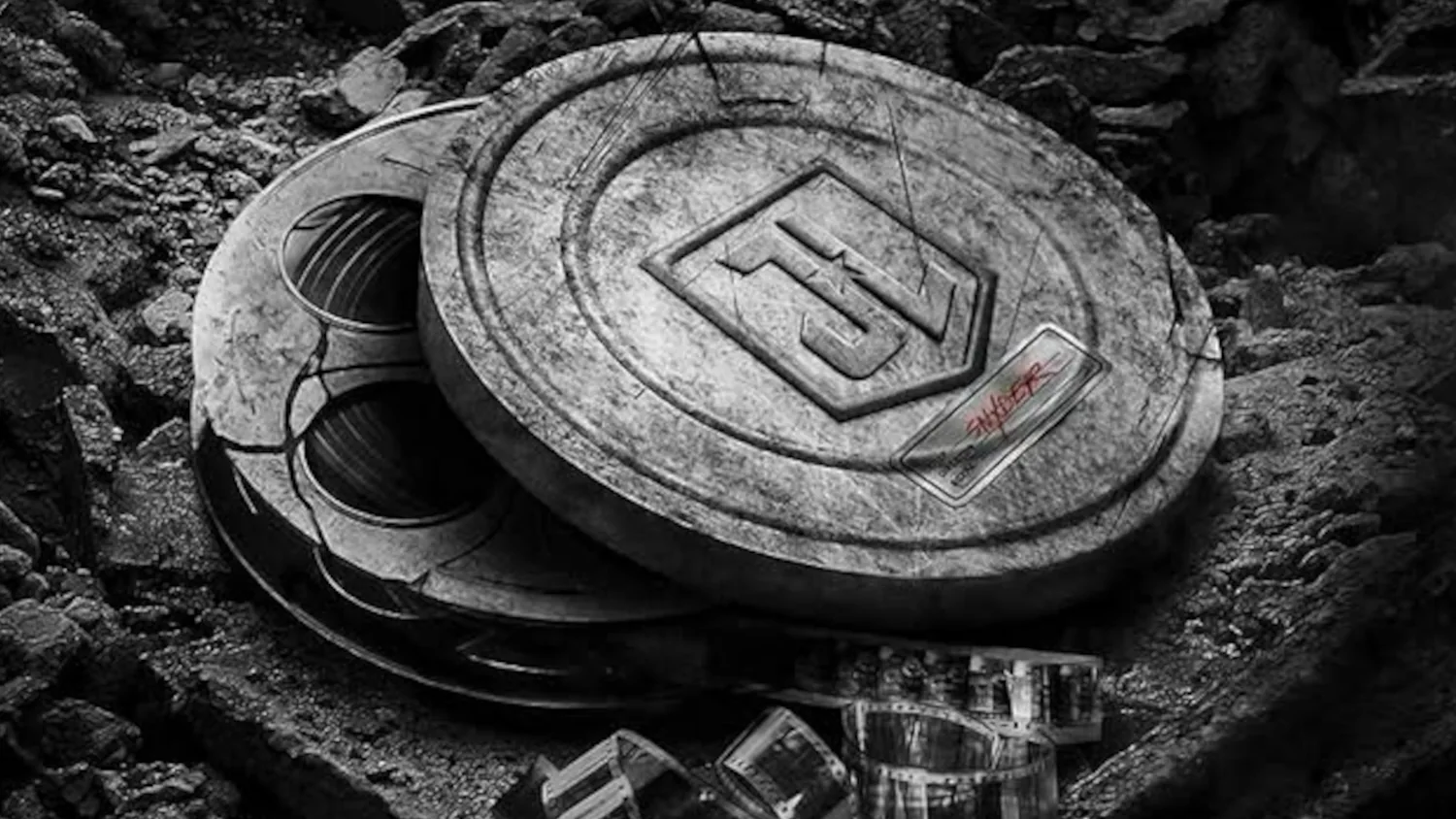
The image features a Justice League film reel canister lying in rubble, with strips of film spilling out from underneath. Looking at it now, the symbolism is hard to miss.
The poster can be seen as reflecting exactly what happened with Justice League. Snyder’s version of the movie was effectively buried after he exited the project, while the 2017 theatrical cut replaced what had originally been planned. Years later, the Snyder Cut was finally uncovered and released, making the image feel a lot more literal in hindsight.
That appears to be what Snyder is talking about with the “meta” comment. The poster was selling Justice League at the time, but now it looks like it foreshadowed the real story behind the movie.
Buried film, buried vision
The film reel in the rubble says a lot without needing any explanation. It suggests a movie left behind, damaged, hidden, or discarded. For Snyder fans, that lines up perfectly with how the director’s cut became the center of one of the biggest fan campaigns in modern movie history.
The idea also fits Snyder’s long-running style on social media. He often posts images, behind-the-scenes shots, and old promotional material that take on new meaning once fans connect them to the larger story surrounding Justice League and the SnyderVerse.
Why fans are reacting
Snyder’s caption is short, but it says plenty. Fans have spent years arguing that the real Justice League story was never just about the movie itself. It was also about studio interference, the abandoned original plan, and the fight to get Zack Snyder’s Justice League released.
Seen through that lens, the poster now looks less like standard promo art and more like a summary of the entire saga.
That is likely why Snyder called it one of the most meta posters ever made. It didn’t just advertise the movie. It ended up reflecting the movie’s real-world fate.