A new UCLA Center for Scholars & Storytellers snapshot says Gen Alpha and Gen Z want more “connected masculinity” on screen. The biggest ask is simple: more dads who enjoy parenting and show love, plus more men who act like mentors and caretakers instead of distant, stoic heroes.
And now look at what Marvel is pushing into the spotlight.
Not just bigger threats. Kids. Families. Legacy.
The survey angle: less lone wolf, more real connection
The UCLA/CSS write-up argues young audiences aren’t asking for another cold, untouchable “provider” type. They’re asking for men who show up emotionally and take care of other people. Fathers, mentors, coaches, teachers. Guys who actually act human.
Important point: this doesn’t mean “less superheroes.” It means the superhero archetype that plays best is shifting. The fantasy still matters, but the emotional core is changing.
Franklin Richards is the obvious tell
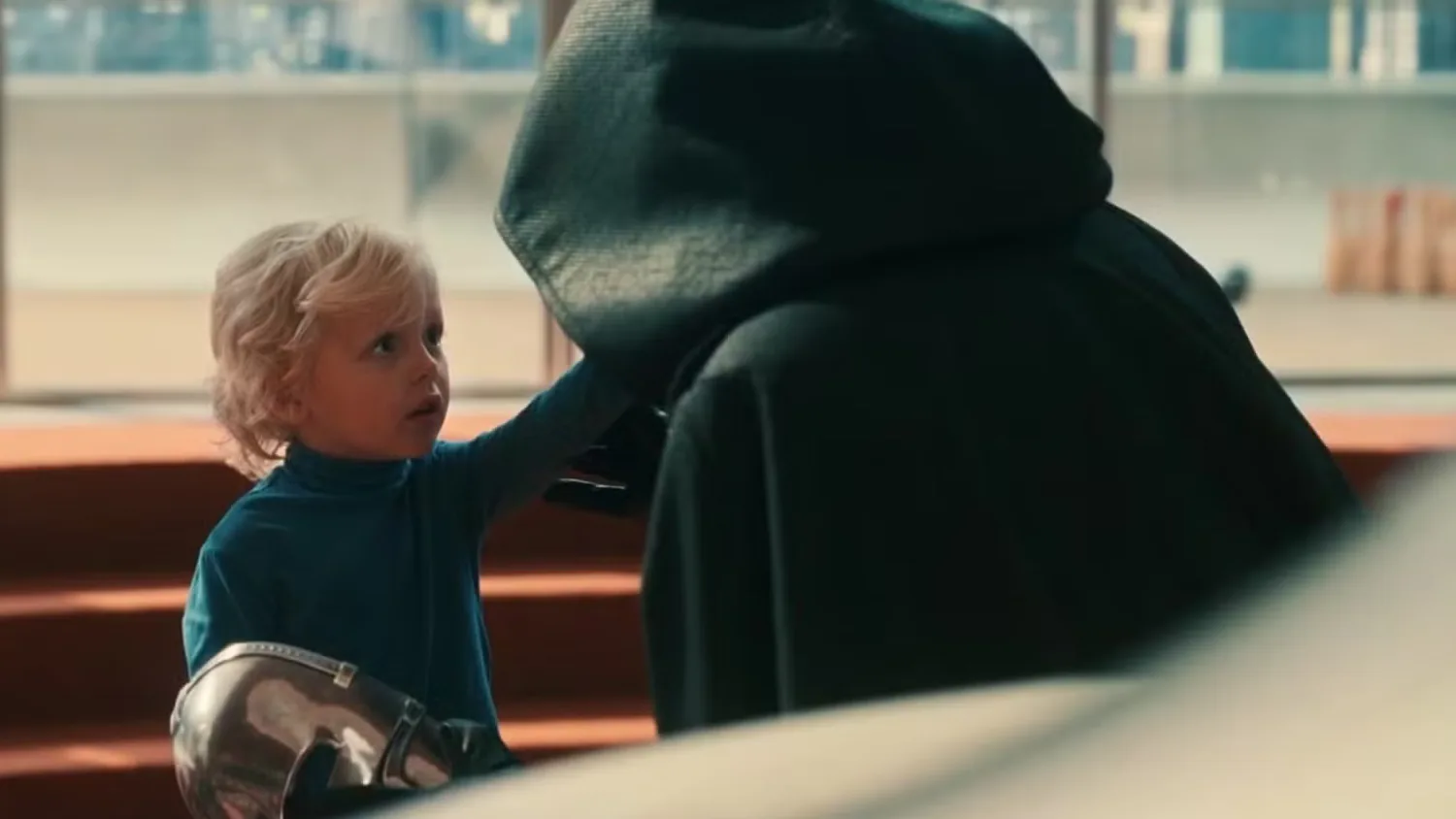
Marvel bringing Franklin Richards into the MCU isn’t just a lore flex. It’s a giant sign that family is about to be baked into the main storyline going forward.
Franklin is the Fantastic Four’s kid. And if Marvel’s teasing Doom approaching Franklin, that’s the MCU saying the next era isn’t only about saving the world. It’s about what these heroes are protecting, and who gets pulled into the mess with them.
Steve Rogers with a baby is not an accident
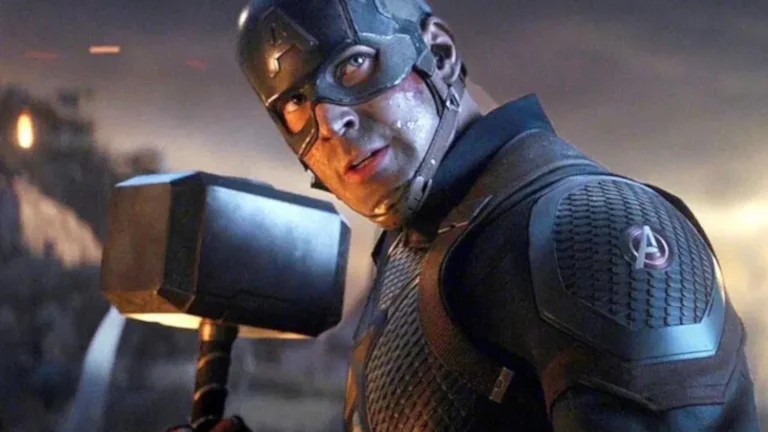
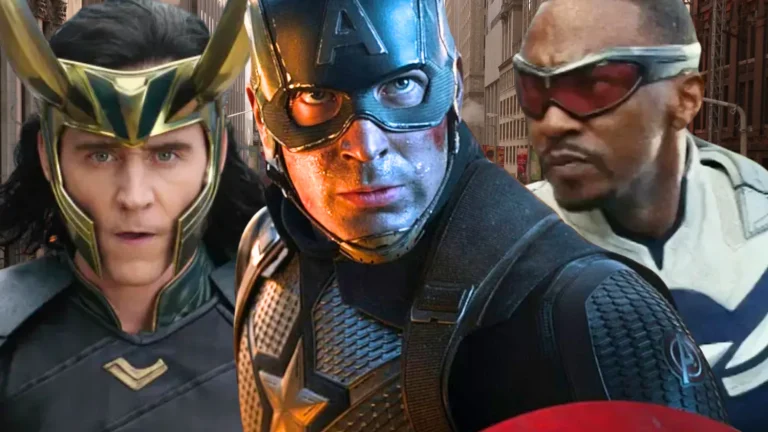
That Avengers: Doomsday Steve Rogers tease showing him with a baby hit differently for a reason.
It reframes Steve in one shot.
Not as the lone symbol. Not as the perfect soldier. As a protector in a personal, grounded way. That’s exactly the kind of “connected” portrayal the UCLA/CSS snapshot is pushing creators toward.
Thor already crossed the line from hero to guardian
Thor’s been moving toward “dad energy” for a while, but Love and Thunder made it literal. He ends as a guardian figure to Love. Whether Marvel leans into that again or not, the point is the same: one of the MCU’s biggest “warrior gods” is now tied to a kid and responsibility.
That’s a different kind of strength.
If Doom’s story involves his own kid, Marvel is doubling down
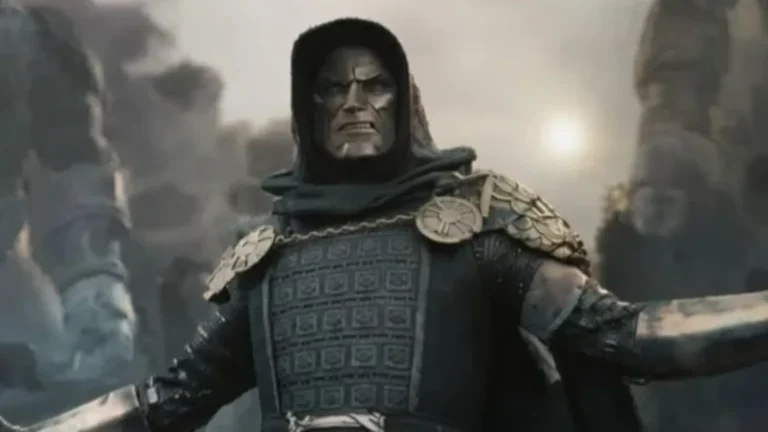
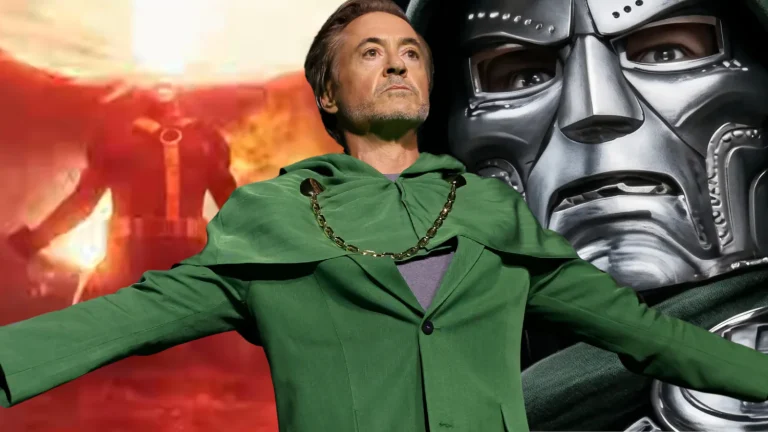
There are rumors that Downey’s Doctor Doom storyline includes his kid. Treat that as rumor for now.
But if it’s true, it fits the same pattern: the MCU’s next phase may build its conflict around parents, children, and what people will do when family becomes the leverage point.
The takeaway: Marvel’s not ditching heroes, it’s rewriting what a hero looks like
Marvel doesn’t need to quit superheroes to stay relevant. It just needs to make the men on screen feel less like distant icons and more like people with real ties.
If the next wave of MCU stories is built around Franklin, a “dad” Steve, and Thor as a guardian, Marvel may be matching the exact shift the youth data keeps pointing to.
If you want, I can punch this up to be more clicky (shorter paragraphs, sharper lines, more heat on “Hollywood got it wrong”), or I can write a second version that focuses harder on Doom vs Franklin as the “kid/legacy” pivot point.